


 Close
 2nd April 2024
Diagnostics
Diagnosis of DI requires signs and symptoms with biochemistry evidence of urine and plasma osmolality. Biochemistry results that favour the diagnosis of diabetes insipidus are high or high-normal plasma osmolality with low urine osmolality, resultant high or high-normal plasma sodium (hypernatremia) and high 24-hour urine volumes. Therefore, significant DI is excluded if urine to plasma osmolality ratio is more than 2:1, provided plasma osmolality is no greater than 295mOsmol/kg.
A diagnostic test can be done with a formal water deprivation test to confirm DI. This results in failure of urinary concentration with fluid deprivation and restoration of urinary concentration with vasopressin or an analogue. In normal individuals, plasma osmolality remains normal, while urine osmolality rises above 600mOsm/kg. This is in contrast to patients with DI where plasma osmolality rises while the urine remains dilute, only concentrating after introducing an exogenous vasopressin in cranial DI and no response to vasopressin in nephrogenic DI. If cranial DI is suspected, an MRI head with pituitary function tests may be used to ascertain, treat the cause and exclude panhypopituitarism.
| Interpreting the water deprivation test: | |
| Normal | Urine osmolality > 600mOsmol/kg
Urine: Plasma Osmolality ratio >2 |
| Primary Polydipsia | Urine concentrates, but less than normal,
Eg: >400 – 600mOsmol/kg |
| Cranial DI | Urine osmolality increases to > 600mOsmol.kg after desmopressin (if equivocal an extended water deprivation test may be tried (no drinking from 18:00, the night before). |
| Nephrogenic DI | No increase in urine osmolality after desmopressin |
IMT application scoring 2027: how to maximise your points
For 2027, you can score up to 30 points across six IMT self-assessment domains.

Complete Guide to Cardiothoracic Surgery ST1 Application and Recruitment (2027)
Written by Medibuddy. Last updated: November 2026. If you’re planning

Anaesthetics CT1/ACCS Interview Guide 2027
If you’re interested in applying for Anaesthetics Core Training (CT1) but need
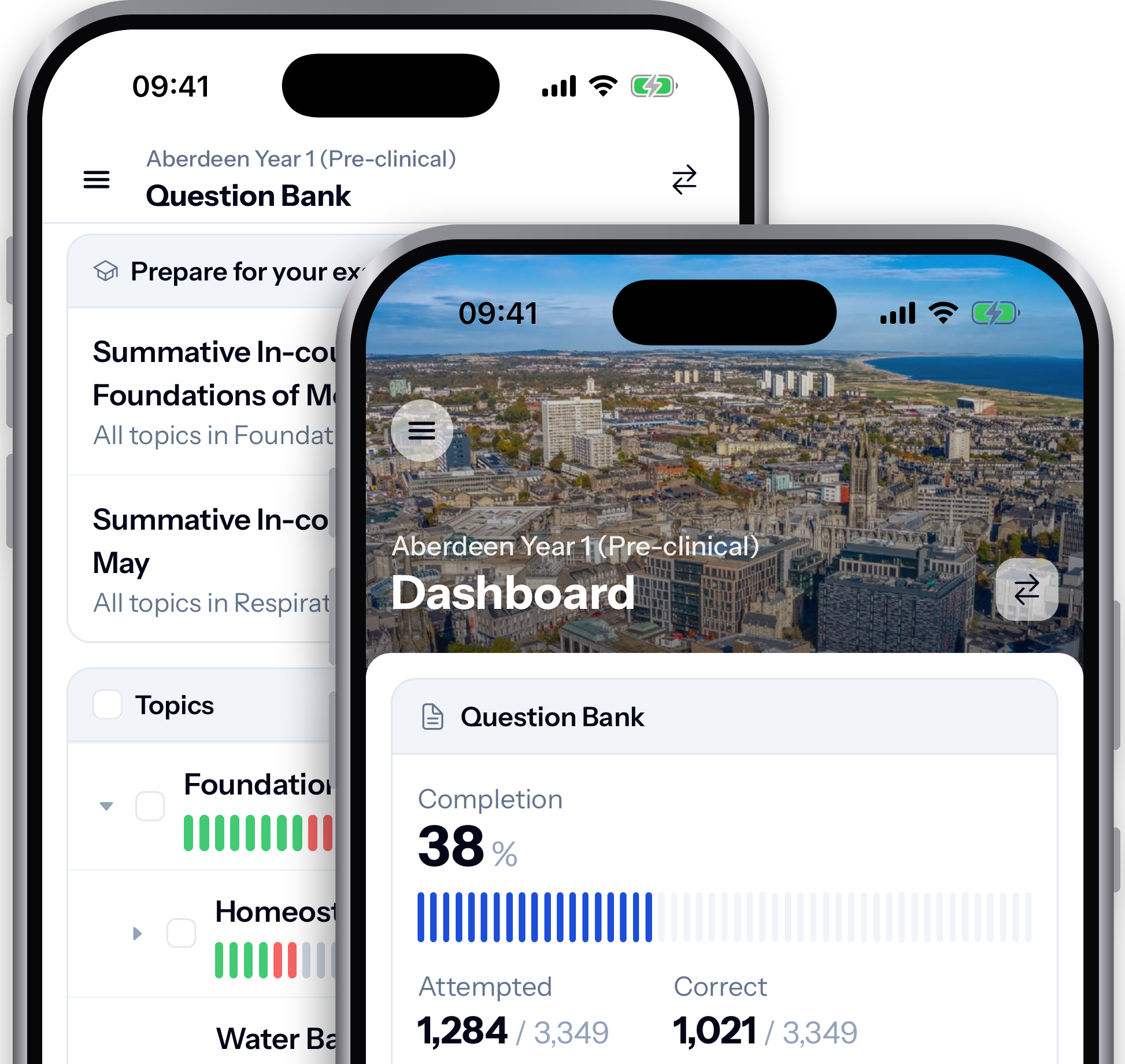
Take your subscriptions with you
Our mobile app allows you to access your interview and exam question banks wherever you are.

