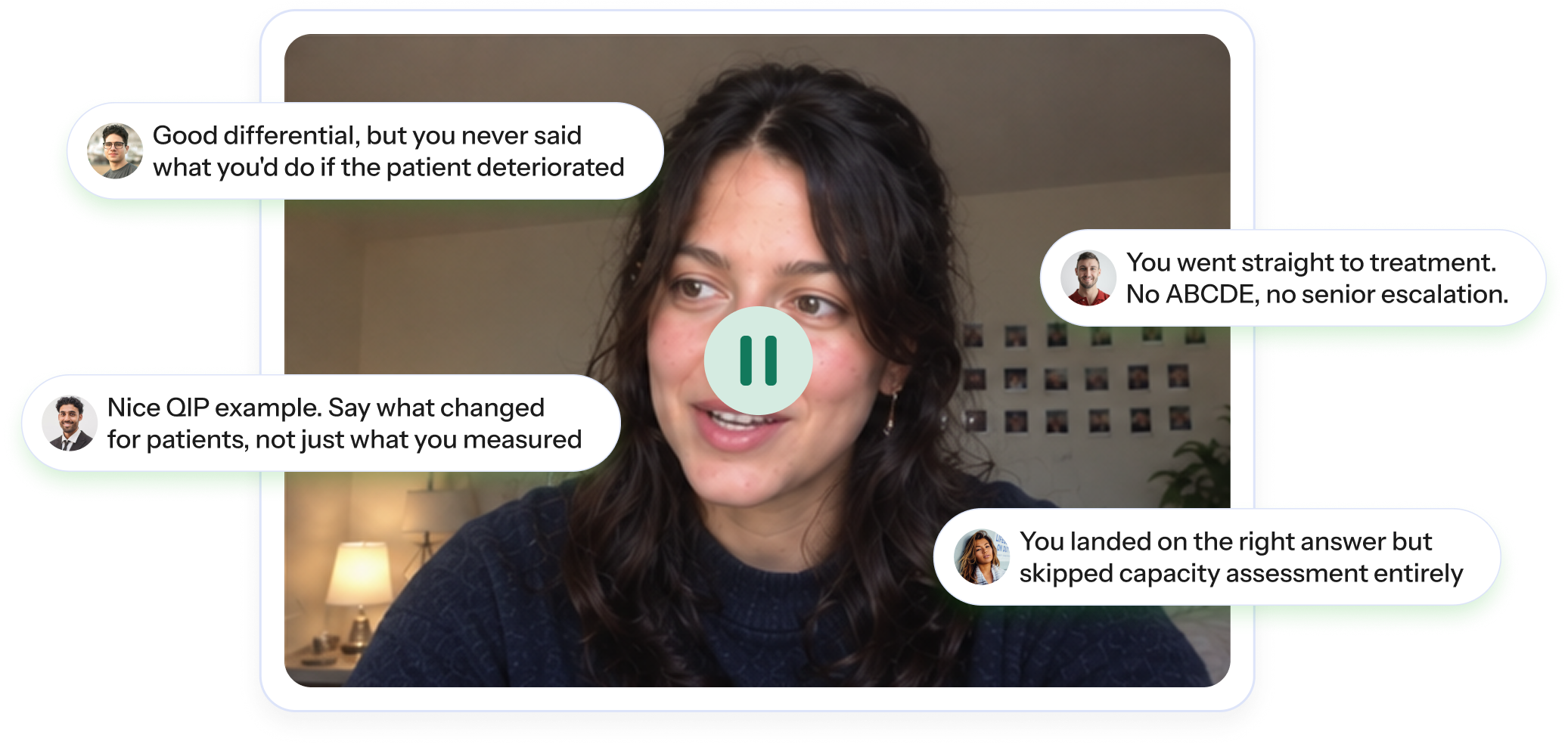
The 2027 Obstetrics & Gynaecology ST1 Interview Revision Platform: Question Bank, Live Practice and Mocks with Other Candidates
The Medibuddy Obstetrics & Gynaecology ST1 Question Bank includes over 40 scenarios that closely mirror the real interview, each with a model answer written/edited by high-scoring candidates who sat the Obstetrics & Gynaecology ST1 interview in 2026.
However, knowing a strong answer isn't the same as delivering it well under pressure, which is why we provide:
Study Groups
Unlimited Live Mocks with real people
Peer Feedback on your mocks from a wide range of candidates
10 years’ experience preparing doctors for interviews
Users of the Medibuddy Obstetrics & Gynaecology ST1 Revision Platform have secured some of the most competitive training jobs in recent rounds. Ask around, there's a good chance the trainees in the year above you used us too.
Always up to date
Did you know the interviews change every year? That's why we review and update every Question Bank on the platform twice a year, so you know you're always practising with scenarios based on the latest interview structure.
Network and practise real interview scenarios with other candidates
Question Bank
See every scenario, and how to answer it well
Over 40 scenarios across all three domains, which tell you exactly how to respond to each question.
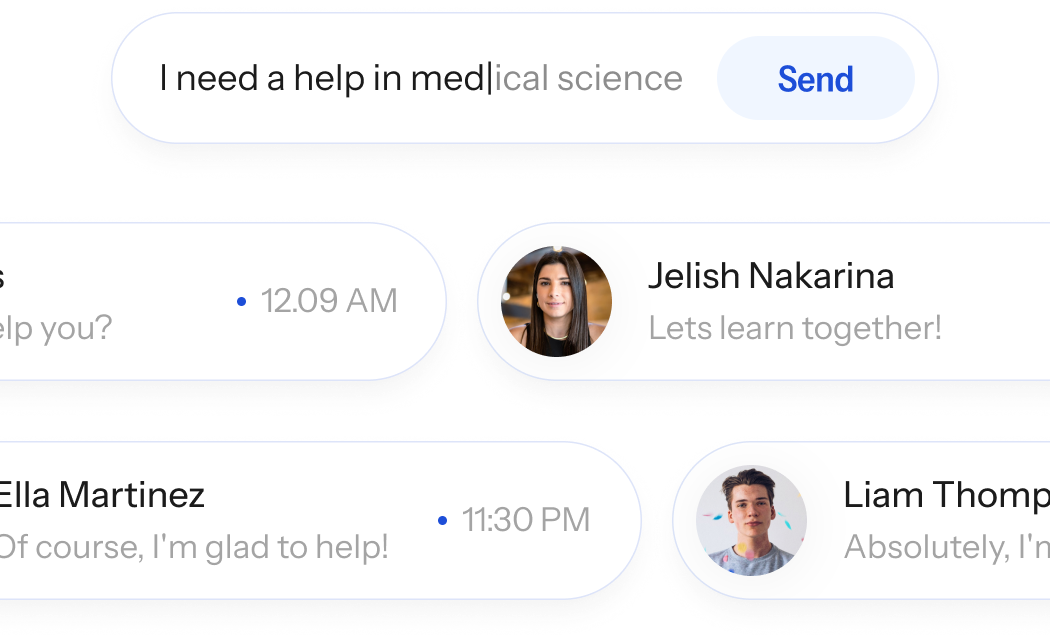
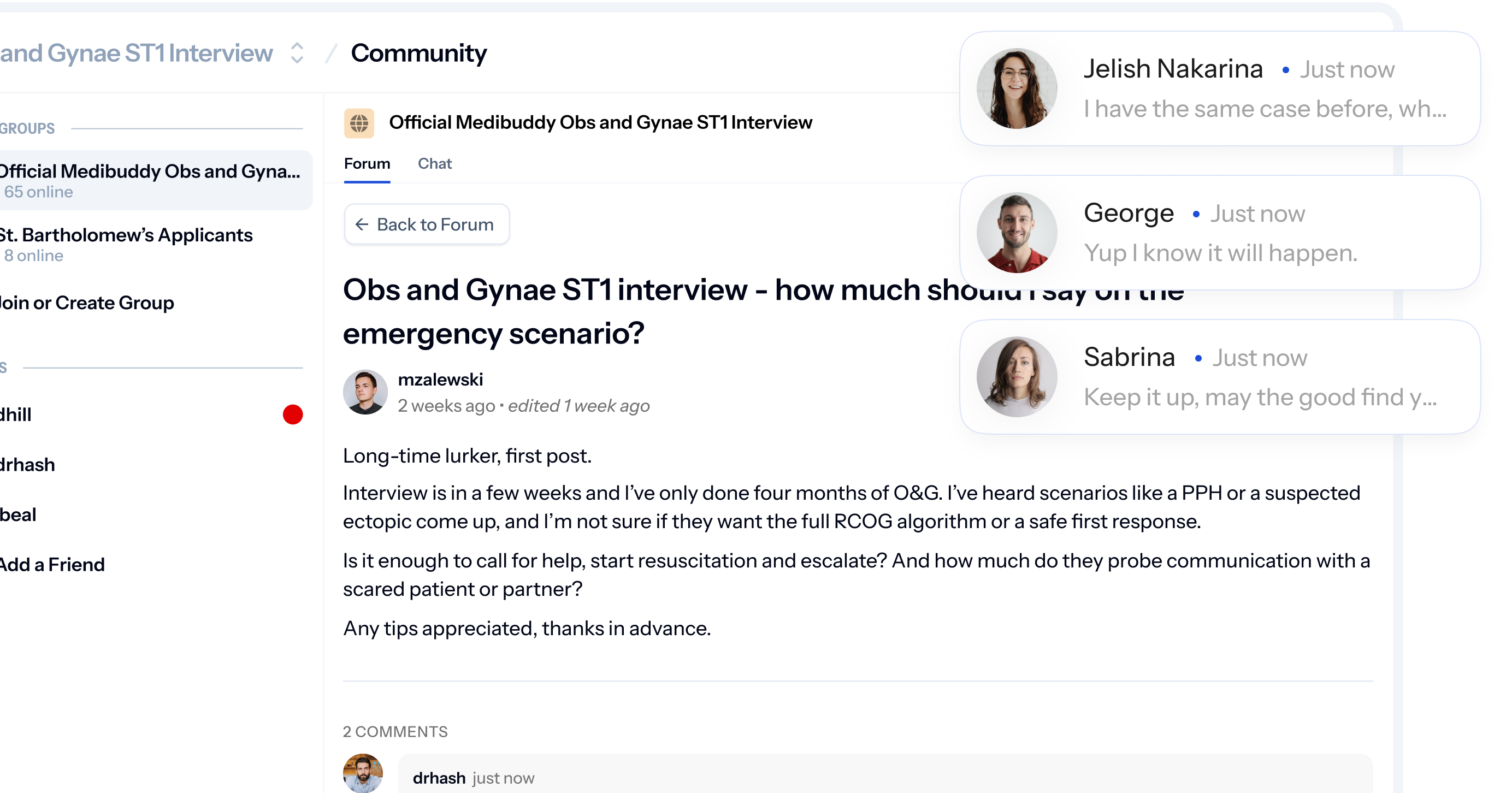
Study Groups
Connect with candidates across the country
Most people only ever practise with one or two friends. Study Groups connect you with candidates right across the country sitting the same interview.
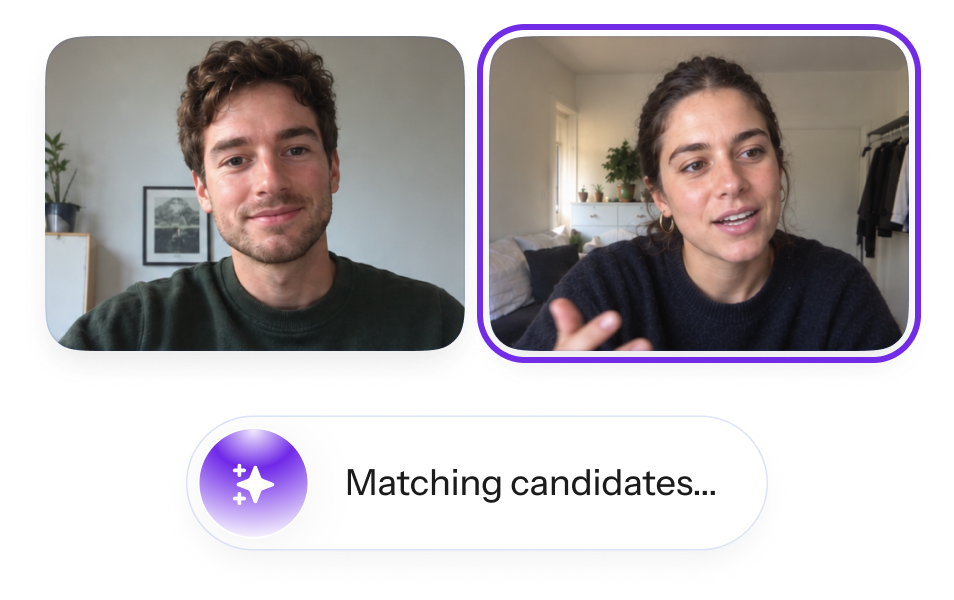
Live MocksBeta
Practise interview technique with different candidates
Arrange or get matched on demand with other candidates and run real scenarios out loud under interview conditions. Those who practise with the widest range of people tend to score the highest.
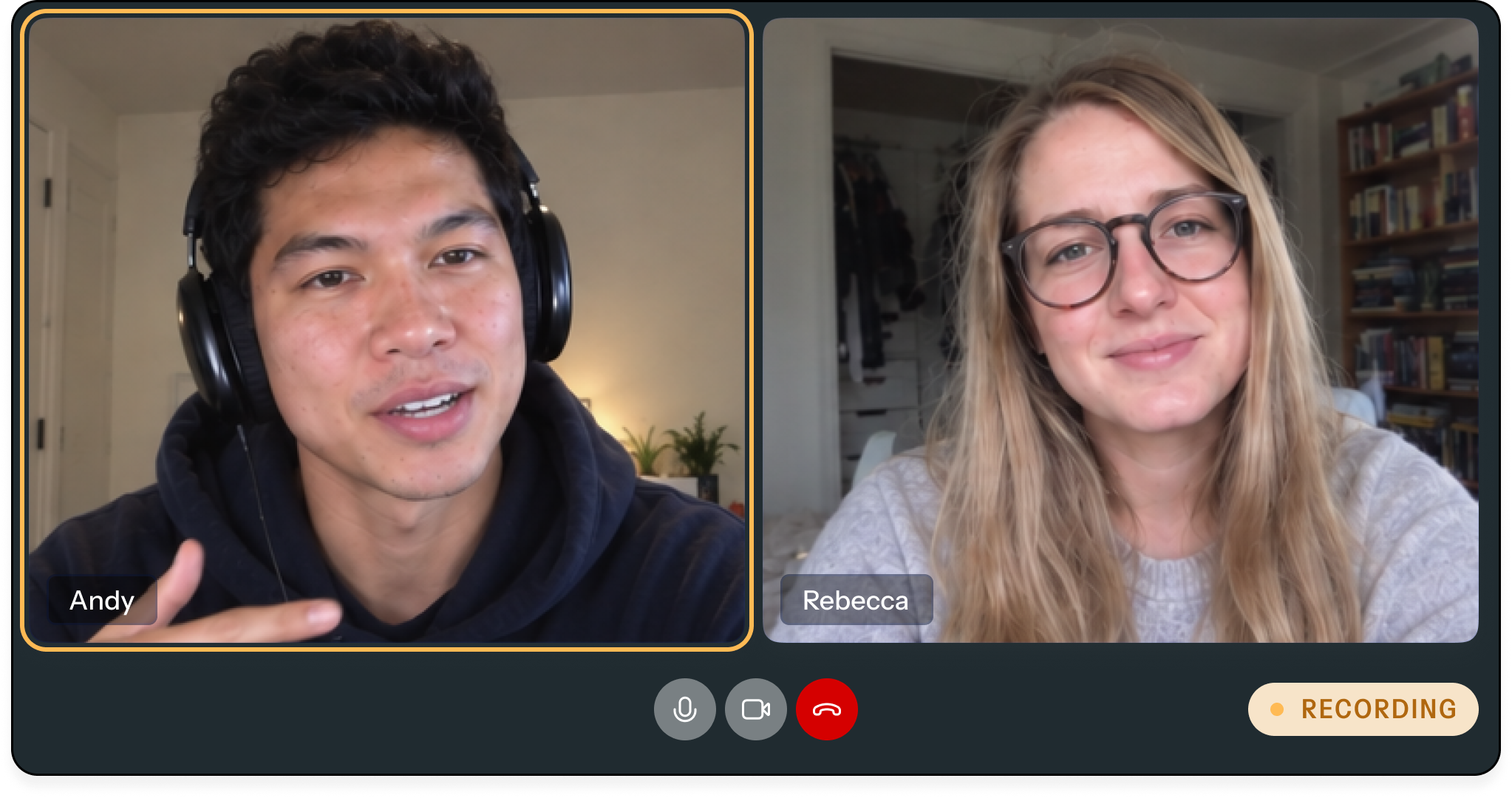
Peer FeedbackBeta
Reviewed by candidates across the platform
Submit your recorded mocks to candidates across the platform and get honest, varied feedback. Reviewing other people's mocks teaches you just as much.
The question bank, and other candidates to practise with, all in one platform.
A few of the candidates who prepared with us for the Obstetrics & Gynaecology ST1 interview.
Verified candidateInterviewed 2026
"Medibuddy was extremely useful and very similar to the real interview. I am very pleased."
Very similar to the real thing
Verified candidateInterviewed 2026
"I got my top-ranked post and I scored highly in all stations. The scenarios were very similar to those on the Medibuddy website."
Top-ranked post
Part 1 • See the questions
The Medibuddy 2027 Obstetrics & Gynaecology ST1 Question Bank
The interview is three domains across up to 30 minutes, so you have a limited window to deliver the high-scoring answers you need to do well. That means every point has to land, and knowing how to structure each answer is essential. That's why each of our 40-plus scenarios comes with a model answer, written by candidates who scored highly in the Obstetrics & Gynaecology ST1 interview, so you know exactly how to approach every question the interviewers throw your way.
What's inside
What's included in the Obstetrics & Gynaecology ST1 Question Bank
There's nothing worse than getting to the interview and being handed a scenario you've never seen before. The panel has a huge range of topics to draw on, so the safest approach is to revise across all of them. We provide scenarios for every domain, including the common ones and the more unusual cases that have come up before, so you don't get caught out.
Clinical Prioritisation
Scenarios that test how you prioritise competing clinical demands, make safe decisions and organise your approach under pressure, each with a model answer so you can talk the panel through your reasoning.
Ethical and Governance
Realistic questions on ethical principles and your governance responsibilities, with structured model answers so you can reason through them clearly on the day.
Structured Interview
Structured questions on your experience, motivation and suitability, with worked answers that show you how to present yourself clearly and score across every area.
Communication (bonus)
We provide communication scenarios in the Question Bank as bonus practice, each with a model answer.
Updated for 2027
New Ethical and Governance scenarios added for the new station, with the Clinical Prioritisation scenarios refreshed.
Try it
Try an example Obstetrics & Gynaecology ST1 question
You are an FY2 on call overnight in a district general hospital, with an FY1, a surgical registrar and a medical registrar. You've been handed over four patients and tasks:
An 18-year-old woman in A&E resus with severe right-sided abdominal pain, tachycardic and needing ongoing analgesia.
A 38-year-old woman in A&E waiting to be seen, temperature 37.8, with a known Bartholin's abscess.
A 32-year-old woman on the surgical ward, day one after a cholecystectomy, found on the floor after going to the toilet. She is conscious with no obvious injury.
A patient on the surgical ward on a variable-rate insulin infusion (sliding scale) before elective surgery in the morning, with no IV fluids prescribed.
How would you prioritise and manage the clinical and organisational issues?
Question
How would you prioritise these patients, and why?
Example answer
I'd prioritise by clinical risk, using my team. The 18-year-old with severe abdominal pain and tachycardia is likely the sickest, with possible sepsis, a ruptured or torted ovary, an ectopic pregnancy or peritonitis, so she comes first. The post-operative patient found on the floor needs an urgent bedside assessment for bleeding, hypotension or hypoglycaemia, so she's next. The Bartholin's abscess can wait briefly if she's systemically well, but needs monitoring for sepsis. The sliding-scale patient without fluids isn't immediately unstable but must be corrected soon, as a variable-rate insulin infusion needs glucose-containing fluids to avoid hypoglycaemia. A pregnancy test is mandatory in the woman with abdominal pain.
Question
What would your initial actions be?
Example answer
First I'd establish who's available: whether the surgical registrar is in theatre, and where the medical registrar is. Then I'd delegate by urgency and capability. I'd ask the FY1 to attend the post-operative patient immediately for observations, a capillary glucose and a quick assessment, and to call me back. I'd go to the 18-year-old in resus myself because she's the most unstable, and ask the A&E nurses to keep the Bartholin's patient monitored until I can review her. Once the urgent patients are stable, I'd review the abscess and prescribe fluids and monitoring for the sliding-scale patient. Throughout I'd communicate clearly, document my decisions and escalate early.
Question
How would you assess the 18-year-old with severe abdominal pain?
Example answer
I'd work through an A-to-E assessment and take a focused history: the onset, character and radiation of the pain, associated symptoms, her last menstrual period, and past medical and surgical history, with an abdominal and, if appropriate, pelvic examination. Investigations: a mandatory urine pregnancy test, a urine dip, bloods including full blood count, U&Es, LFTs, CRP, clotting, group and save and a beta-hCG, and a venous gas with lactate. I'd arrange a pelvic ultrasound as the preferred imaging, with CT if a senior advises. Management: two large-bore cannulas, IV fluids if she's shocked, analgesia, keep her nil by mouth, and escalate urgently to the surgical registrar and gynaecology if I suspect torsion or an ectopic. Early senior decision-making is essential.
Question
What is the Sepsis 6?
Example answer
If a patient meets sepsis criteria, I'd start the Sepsis 6 within the hour. The three to take are blood cultures, a lactate, and hourly urine output. The three to give are oxygen to keep saturations at or above 94%, broad-spectrum IV antibiotics, and IV fluids, with a 20 to 30ml/kg bolus if she's shocked.
Question
How would you approach the post-operative patient found on the floor?
Example answer
Any post-operative collapse needs prompt assessment. While I finish with the resus patient, I'd have the FY1 take observations, a capillary glucose, a brief neurological check and a look at the surgical site and drains, and I'd attend myself if there are red flags such as hypotension, tachycardia, a drop in haemoglobin, ongoing dizziness or abdominal tenderness. The likely causes are hypotension from bleeding, dehydration or analgesia, hypoglycaemia, a vasovagal episode or infection, so I'd review her medications and fluids, screen for post-operative complications and occult injury, and escalate to a senior if she's deteriorating or I suspect bleeding.
Question
How would you handle the Bartholin's abscess and the sliding-scale patient?
Example answer
For the Bartholin's abscess: an A-to-E and focused history, then examine for a fluctuant swelling at the four or eight o'clock position and any cellulitis or systemic signs, and swab if there's discharge. If it's mild, oral antibiotics and analgesia; if there's a defined abscess, incision and drainage or a Word catheter under local anaesthetic, following Sepsis 6 if she becomes septic. For the sliding-scale patient: a variable-rate insulin infusion needs concurrent glucose-containing fluids to prevent hypoglycaemia, so I'd prescribe appropriate IV fluids, ensure hourly capillary glucose and electrolyte monitoring, review the fluid-balance chart and hand this over clearly to the nursing staff.
The Obstetrics & Gynaecology ST1 interview changes from year to year, and the biggest fear for any candidate is getting to interview day and realising you've revised with a question bank that's totally outdated.
That's why we review and update every Question Bank twice a year, so you know you're revising with scenarios that are likely to come up. We do this in April after the previous year's interviews, and again in October when the new recruitment guidance is published.
Updated for 2027 interviews
5 scenarios updated: 4 in Clinical Prioritisation and 1 in Communication.
Updated for 2027 Interviews
Part 2 • Practise them live
The only interview resource where you can practise live with other candidates from across the country
Our Obstetrics & Gynaecology ST1 Question Bank tells you exactly how to answer real interview scenarios. But how you practise with them will determine how many marks you score. Simply reading answers off a screen won't prepare you for the intense scrutiny you'll face in the interview. And only practising with the same few colleagues or friends limits the amount of feedback you'll get. Medibuddy gives you unique access to Obstetrics & Gynaecology ST1 candidates across the country, so you can learn from a variety of perspectives and hear a far wider range of feedback than your own circle could ever give you.
Study Groups
When you prepare in isolation, you're relying on your own interpretation of the interview process, which is one of the quickest ways to get found out on the day. Study Groups connect you with other doctors across the country who are also applying to Obstetrics & Gynaecology ST1, so you can engage and network with people preparing for the same interview as you. Everyone brings different experience from different hospitals and deaneries, meaning you won't ever miss out on the key bits of information that could swing the interview in your favour.
Live MocksBeta
Candidates who don't take part in mocks often struggle to adapt to the pressure of the interview. Your knowledge might be correct, but without convincing delivery the interviewers will score you poorly. The best way to improve your delivery is to take part in as many live mocks as possible, which is why we haven't put a cap on how many you can do. We also know how difficult it can be to organise mocks with other people, so all you have to do is join the waiting room and we'll match you with a different Obstetrics & Gynaecology ST1 candidate each time. Take turns as both the interviewer and candidate on real Question Bank scenarios, so you can see exactly how other candidates perform in real time, while refining your own interview technique.
Peer FeedbackBeta
Preparing alone means you won't know how you're coming across during the interview. And preparing with the same few candidates means you'll miss opportunities to improve, which is why it's so important to get as many opinions as possible on your performance. With Medibuddy, you can record a mock and submit it for feedback from other candidates on the platform, so you receive a wider range of feedback and refine your answers with each person you practise with. Reviewing other people's mocks is just as valuable, as it shows you how strong candidates handle the same scenarios, which is one of the fastest ways to improve.
The interview
What to expect from the Obstetrics & Gynaecology ST1 interview
Obstetrics & Gynaecology ST1 is highly competitive. Candidates are shortlisted on their MSRA score, and in recent rounds over 4,900 candidates applied with only around the top 1.5% bypassing the interview on their MSRA alone, so for almost everyone the interview is decisive.
The interview is three domains across up to 30 minutes: Clinical Prioritisation, Ethical and Governance, and a Structured Interview.
Domain 1
Clinical Prioritisation
You're given a scenario that tests your problem solving, decision making, organisation and patient safety as you prioritise competing clinical demands. Our scenarios come with model answers so you can talk the panel through safe, structured reasoning.
Domain 2
Ethical and Governance
The station introduced for the latest interview, testing how you apply ethical principles and understand your governance responsibilities. Our structured model answers show you how to reason through these clearly under pressure.
Domain 3
Structured Interview
Structured questions on your experience, motivation and suitability for the specialty. Our model answers show you how to present yourself clearly and score across every area.
How the interview is scored
The three domains are marked against the Obstetrics & Gynaecology ST1 person specification. Our model answers are structured against those criteria, so you know exactly what a strong, well-organised answer looks like at each domain.
Get ready
How to prepare for the Obstetrics & Gynaecology ST1 interview
Start with the Question Bank
Work through 40+ scenarios across every domain, each with a worked answer from a candidate who scored well in the 2026 interview. Start by reading how a strong answer is formed, then think about how you'd deliver it.
Talk the hard ones through in Study Groups
Study groups are your biggest opportunity to network and connect with other candidates sitting the same interview as you. Everyone on the platform is in the same boat as you, so don't be scared to get involved and ask questions. After all, someone in your study group might just help you work through a scenario you've been struggling with.
Rehearse out loud in Live Mocks
Live mocks are where you begin to put everything you've learned into practice, and we know from experience that those who practise with a wide range of candidates usually do the best. So organise mocks with people from one of your study groups, or get matched with a random Obstetrics & Gynaecology ST1 candidate, then take turns as interviewer and candidate using real scenarios until answering out loud under pressure feels normal.
Get reviewed with Peer Feedback before the day
Once you've recorded a mock, you can have other community members review it. This allows you to see how you come across to other people, and gives you time to refine your delivery as you revise, rather than being caught out on the day. Reviewing other people's mocks is just as crucial, as you can see how other candidates navigate the same scenarios as you.
Questions
Frequently asked questions
What does the Obstetrics & Gynaecology ST1 interview involve?
The interview is three domains across up to 30 minutes: Clinical Prioritisation, Ethical and Governance, and a Structured Interview. Candidates are shortlisted for interview on their MSRA score.
How competitive is the Obstetrics & Gynaecology ST1 interview?
Very. Candidates are shortlisted on the MSRA, and in recent rounds over 4,900 applied with only around the top 1.5% bypassing the interview on their MSRA alone, so for almost everyone the interview decides the outcome.
Who writes the model answers?
High-scoring candidates who sat the Obstetrics & Gynaecology ST1 interview and secured competitive training posts.
Can I practise with other candidates?
Yes. Every Revision Platform purchase gives you the opportunity to connect with other candidates through Study Groups, Live Mocks and Peer Feedback.
How do the Live Mocks work?
All you have to do is join the waiting room, and we match you with another Obstetrics & Gynaecology ST1 candidate. You can then take turns as interviewer and candidate on real Question Bank scenarios, allowing you to gain experience answering out loud to a real person before you ever sit in front of the panel.
What are Study Groups and how do they help?
Study groups are community forums for doctors across the country preparing for the same Obstetrics & Gynaecology ST1 interview. You can ask questions, share what you're struggling with, and compare how you'd approach a scenario.
Can I get feedback on my interview performance?
Yes. After you've recorded a mock, you can ask other members to review it, allowing you to see which part of your answer needs fine-tuning.
Why use Medibuddy over other Obstetrics & Gynaecology ST1 question banks?
We've been preparing doctors for specialty interviews for 10 years, and the Question Bank is updated every year by editors who've recently scored well in this interview. That means the scenarios always reflect this year's interview. And it doesn't just stop at a question bank. Every purchase includes access to Study Groups, Live Mocks and Peer Feedback, so you can revise alongside candidates across the country.
How do you keep the Obstetrics & Gynaecology ST1 Question Bank up to date?
We review and update it twice a year. In April after that year's interviews, and again in October when the new recruitment guidance is published. For the latest interview, the Communication station was replaced with an Ethical and Governance station, so we added new Ethical and Governance scenarios.
How long do I get access for?
Access runs for 12 months from the purchase date.
Start preparing for the Obstetrics & Gynaecology ST1 interview
The Revision Platform gives you over 40 scenarios to practise and refine with other candidates through Study Groups, Live Mocks and Peer Feedback.
Written by candidates who recently scored well in this interview, and updated every year, it's built to reflect the interview you're about to sit.
Instant access on web and the Medibuddy app • Study Groups, Live Mocks and Peer Feedback with every purchase • 12 months' access



 Close
Close