The 2027 Trauma & Orthopaedics ST3 Interview Revision Platform: Question Bank, Live Practice and Mocks with Other Candidates
The Medibuddy Trauma & Orthopaedics ST3 Question Bank includes over 60 scenarios that closely mirror the real interview, each with a model answer written/edited by high-scoring candidates who sat the Trauma & Orthopaedics ST3 interview in 2026.
However, knowing a strong answer isn't the same as delivering it well under pressure, which is why we provide:
Study Groups
Unlimited Live Mocks with real people
Peer Feedback on your mocks from a wide range of candidates
10 years’ experience preparing doctors for interviews
Users of the Medibuddy Trauma & Orthopaedics ST3 Revision Platform have secured some of the most competitive training jobs in recent rounds. Ask around, there's a good chance the trainees in the year above you used us too.
Always up to date
Did you know the interviews change every year? That's why we review and update every Question Bank on the platform twice a year, so you know you're always practising with scenarios based on the latest interview structure.
Network and practise real interview scenarios with other candidates
Question Bank
See every scenario, and how to answer it well
Over 60 scenarios across all four interview stations, which tell you exactly how to respond to each question.
Study Groups
Connect with candidates across the country
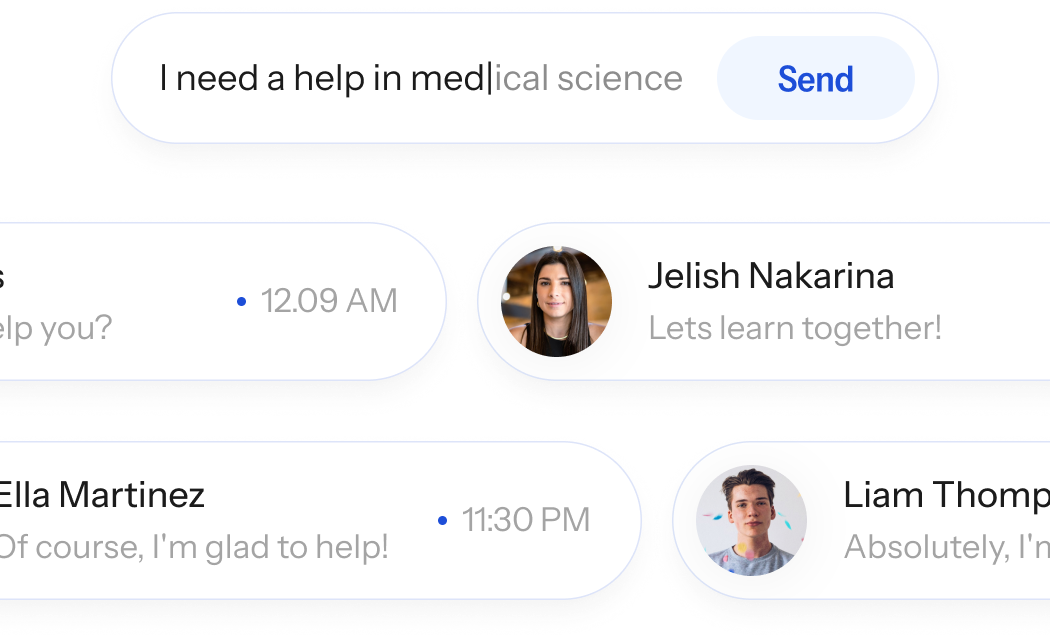
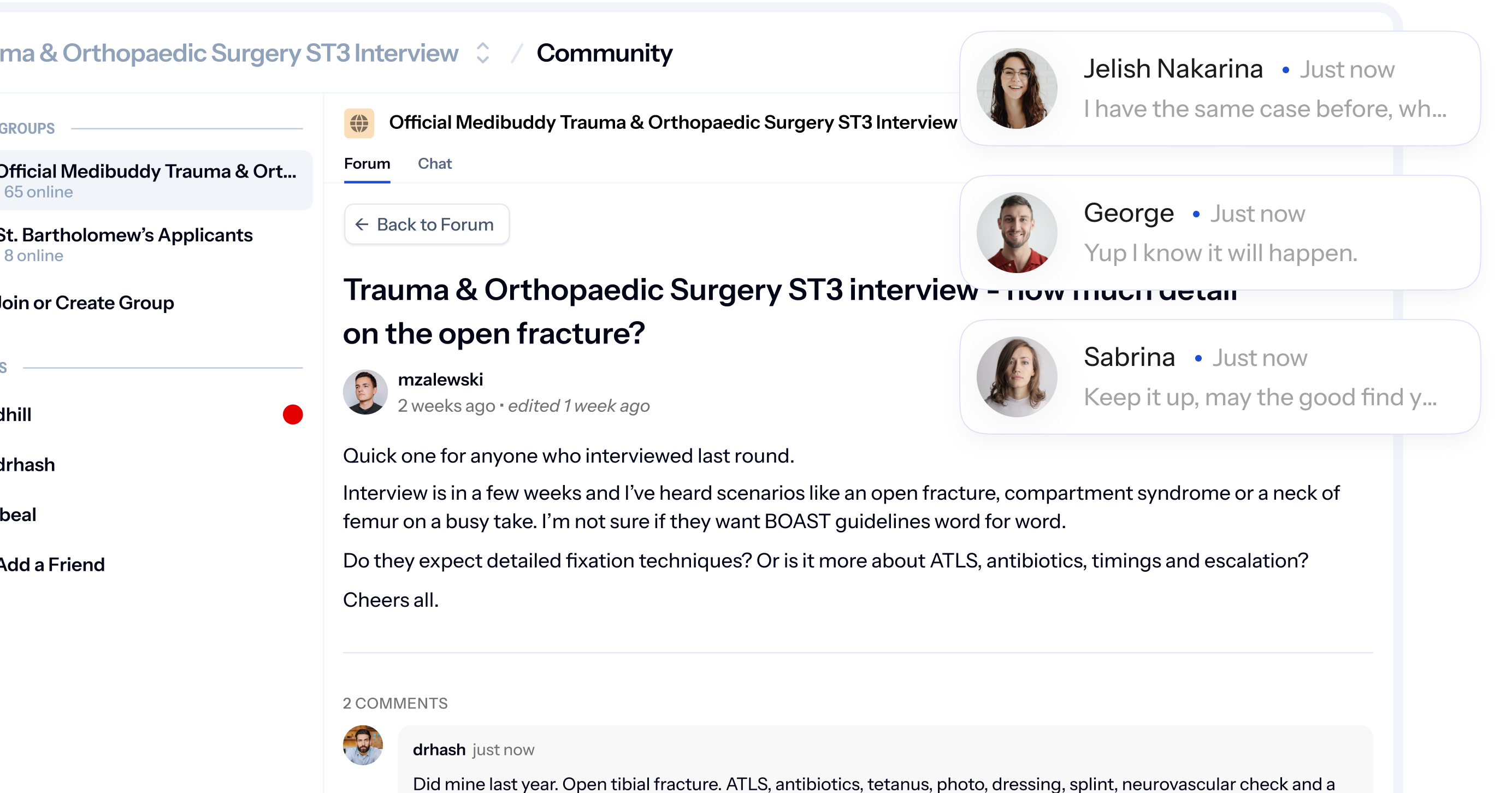
Most people only ever practise with one or two friends. Study Groups connect you with candidates right across the country sitting the same interview.
Live MocksBeta
Practise interview technique with different candidates
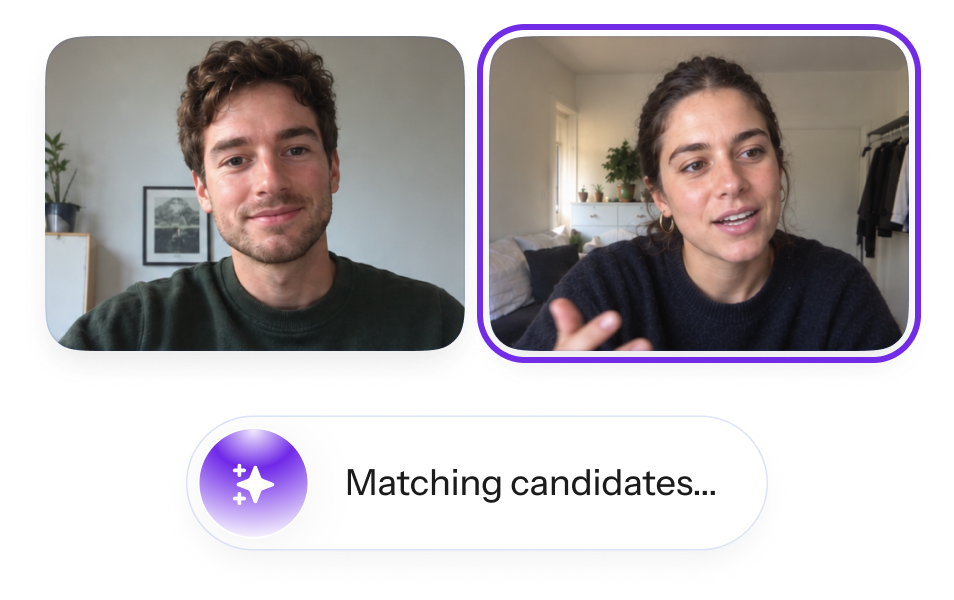
Arrange or get matched on demand with other candidates and run real scenarios out loud under interview conditions. Those who practise with the widest range of people tend to score the highest.
Peer FeedbackBeta
Reviewed by candidates across the platform
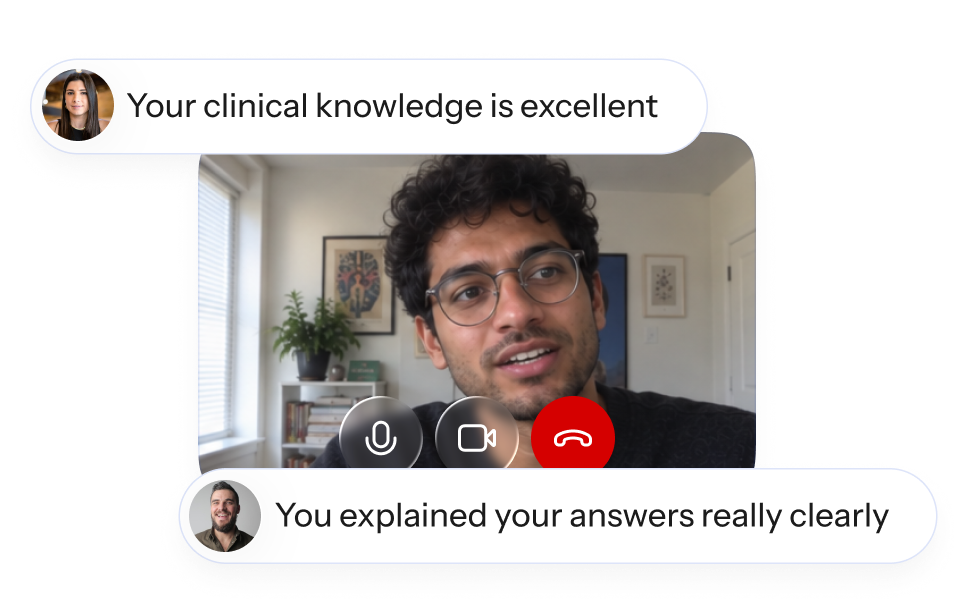
Submit your recorded mocks to candidates across the platform and get honest, varied feedback. Reviewing other people's mocks teaches you just as much.
The question bank, and other candidates to practise with, all in one platform.
Trauma & Orthopaedics Revision Platform • £144.99
Gain access to over 60 scenarios across every station, and collaborate with other candidates through Study Groups, Live Mocks and Peer Feedback.
The Revision Platform, plus the Trauma & Orthopaedics ST3 Knowledge Course. A model answer shows you how to structure your response, while each Knowledge Course module teaches one orthopaedic topic in depth, so you can keep going when the panel asks challenging follow-up questions.
A few of the candidates who prepared with us for the Trauma & Orthopaedics ST3 interview.
Verified candidateInterviewed 2026
"I wanted to say thank you for your wonderful site. I got my top-ranked post and I scored highly in all stations."
Top-ranked post
Part 1 • See the questions
The Medibuddy 2027 Trauma & Orthopaedics ST3 Question Bank
The interview lasts for 60 minutes across four tightly timed stations, so you have a limited window to deliver the high-scoring answers you need to do well. That means every point has to land, and knowing how to structure each answer is essential. That's why each of our 60-plus scenarios comes with a model answer, written by candidates who scored highly in the 2026 Trauma & Orthopaedics ST3 interview, so you know exactly how to approach every question the interviewers throw your way.
What's inside
What's included in the Trauma & Orthopaedics ST3 Question Bank
There's nothing worse than getting to the interview and being handed a scenario you've never seen before. The panel has a huge range of topics to draw on, so the safest approach is to revise across all of them. We provide scenarios for every station, including the common ones and the more unusual cases that have come up before, so you don't get caught out.
Clinical (Trauma & Elective)
Over 30 scenarios split into Trauma and Elective, covering the presentations you might encounter in the interview. Each comes with a model answer so you can maximise your points in this station.
Prioritisation
The trickiest station for a lot of candidates. You're given several cases to rank in order of urgency, so we provide example prioritisation questions with model answers and the technique to talk the panel through your reasoning.
Communication
Scenarios that test how you gather and give information to a patient under pressure, and assess your technical knowledge, situational awareness and judgement of a given situation.
Commitment to Specialty
In this station, the interviewers are looking to gain insight into your previous experience, so you'll be asked questions about various aspects of your career. Our question bank provides example questions and answers to help guide you through preparing your own answers.
Updated for 2027
We recently expanded 26 clinical scenarios, so we stay closely aligned with the interview.
Try it
Try an example Trauma & Orthopaedics ST3 question
A 7-year-old boy presents to your emergency department having fallen off the monkey bars onto his outstretched left arm. The ED team have completed X-rays and are worried because the elbow looks dislocated.
You are the Trauma & Orthopaedics ST3 asked to review him. How would you approach this?
Question
Please describe the X-ray and your initial management.
Example answer
This is a lateral radiograph of the left elbow in a skeletally immature child, showing a Gartland type 3, extension-type supracondylar fracture. Assuming this is an isolated injury with no concerns of non-accidental injury, and that he's been resuscitated according to ATLS, my biggest concern is neurovascular injury, and I'd manage him per BOAST guidelines.
For assessment, I'd document nerve function: the median nerve with an OK sign, the radial nerve with a thumbs up, and the ulnar nerve by crossing the middle finger over the index. I'd check capillary refill and the radial pulse, and look for a pucker sign, which suggests the proximal fragment has pierced brachialis. For initial management, I'd splint the arm in a position of comfort, recheck the neurovascular status, look for signs of compartment syndrome, and request a check X-ray.
Question
How is the Gartland classification structured?
Example answer
Type 1 is undisplaced, type 2 is angulated with an intact posterior cortex, and type 3 is completely displaced.
Question
Which guidelines help with management, and what are their key features?
Example answer
The BOAST guidelines. In summary: the neurovascular status should be assessed and documented with the motor and sensory function of each nerve (radial, median, anterior interosseous and ulnar). Night-time operating is indicated for an absent radial pulse, impaired perfusion, open injuries or threatened skin viability. Fixation is with two 2mm K-wires in a crossed or divergent configuration, and if a medial wire is used, steps should be taken to protect the ulnar nerve, such as inserting it with the arm in extension through a small medial incision to visualise the nerve. If there's no clinical ischaemia after reduction, routine brachial artery exploration isn't required, but if ischaemia is suspected, exploration is needed to relieve vessel entrapment, and this is an emergency, so the vascular team should be notified immediately.
Question
Your consultant takes him to theatre overnight and asks how you would conduct the operation. How would you proceed?
Example answer
In an appropriately marked and consented patient, after a WHO checklist, I'd position him supine. I'd apply traction to the limb, correct any rotation with pronation or supination, and confirm reduction with the image intensifier. I'd then hyperflex the elbow with my thumb over the olecranon to reduce the fracture, and in that position place two divergent wires laterally, confirming satisfactory positioning again under X-ray. I'd apply a backslab and ensure the neurovascular status was monitored overnight.
Question
There is damage to the ulnar nerve post-operatively. What do you do?
Example answer
First I'd examine him, checking both motor and sensory function, and look for external causes, loosening any tight bandages, casts or splints that could be compressing the nerve, while monitoring for compartment syndrome. If that doesn't resolve it, I'd promptly alert the operating surgeon. I have a duty of candour, so I'd inform the parents of the complication. I'd consider imaging with MRI or nerve conduction studies and arrange follow-up in hand clinic, and if the deficit continues, I'd involve the local peripheral nerve injury unit and consider surgical exploration.
Question
At six months he has recovered from surgery, but the parents notice a deformity and some numbness in the hand. What is going on?
Example answer
This is cubitus varus, a complication of supracondylar fractures, which can lead to a tardy ulnar nerve palsy. It usually results from anterior subluxation of the nerve, or the nerve becoming trapped in the fibres of flexor carpi ulnaris and scar tissue. Cubitus varus can be avoided by achieving a Baumann angle similar to the contralateral arm.
That's one scenario. There are over 60 more.
Trauma & Orthopaedics Revision Platform • £144.99
Includes every scenario in the Question Bank, and access to Study Groups, Live Mocks with other candidates and Peer Feedback.
Everything in the Revision Platform, and the Trauma & Orthopaedics ST3 Knowledge Course: 7 modules covering the orthopaedic topics behind the clinical station, so you can apply your clinical knowledge to challenging follow-up questions in the interview.
The Trauma & Orthopaedics ST3 interview changes from year to year, and the biggest fear for any candidate is getting to interview day and realising you've revised with a question bank that's totally outdated.
That's why we review and update every Question Bank twice a year, so you know you're revising with scenarios that are likely to come up. We do this in April after the previous year's interviews, and again in October when the new recruitment guidance is published.
For 2027, that process meant expanding 26 clinical scenarios, so we continue to reflect the latest interview format.
Updated for 2027 Interviews
Part 2 • Practise them live
The only interview resource where you can practise live with other candidates from across the country
Our Trauma & Orthopaedics ST3 Question Bank tells you exactly how to answer real interview scenarios. But how you practise with them will determine how many marks you score. Simply reading answers off a screen won't prepare you for the intense scrutiny you'll face in the interview. And only practising with the same few colleagues or friends limits the amount of feedback you'll get. Medibuddy gives you unique access to Trauma & Orthopaedics ST3 candidates across the country, so you can learn from a variety of perspectives and hear a far wider range of feedback than your own circle could ever give you.
Study Groups
When you prepare in isolation, you're relying on your own interpretation of the interview process, which is one of the quickest ways to get found out on the day. Study Groups connect you with other doctors across the country who are also applying to Trauma & Orthopaedics ST3, so you can engage and network with people preparing for the same interview as you. Everyone brings different experience from different hospitals and deaneries, meaning you won't ever miss out on the key bits of information that could swing the interview in your favour.
Live MocksBeta
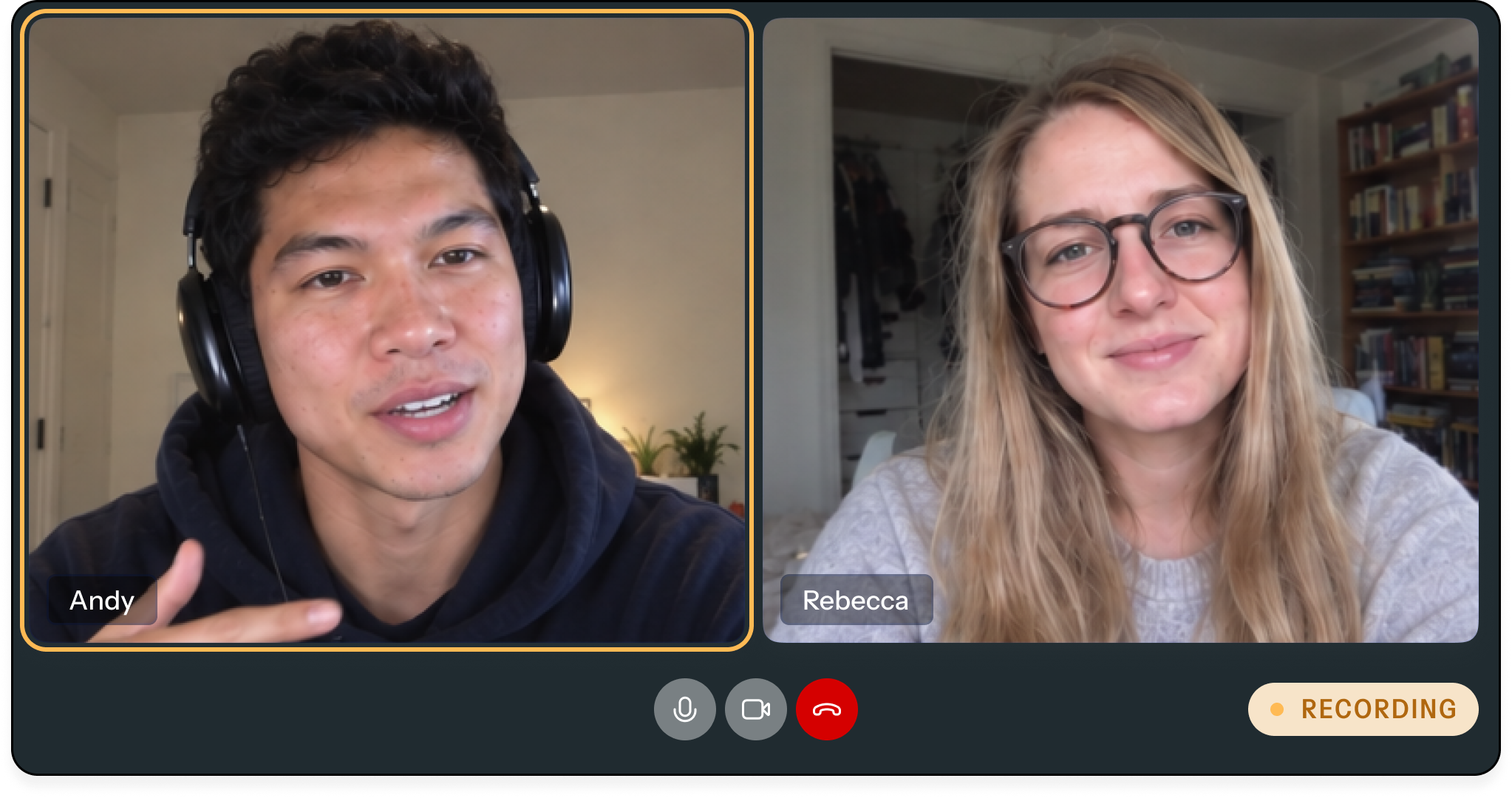
Candidates who don't take part in mocks often struggle to adapt to the pressure of the interview. Your knowledge might be correct, but without convincing delivery the interviewers will score you poorly. The best way to improve your delivery is to take part in as many live mocks as possible, which is why we haven't put a cap on how many you can do. We also know how difficult it can be to organise mocks with other people, so all you have to do is join the waiting room and we'll match you with a different Trauma & Orthopaedics ST3 candidate each time. Take turns as both the interviewer and candidate on real Question Bank scenarios, so you can see exactly how other candidates perform in real time, while refining your own interview technique.
Peer FeedbackBeta
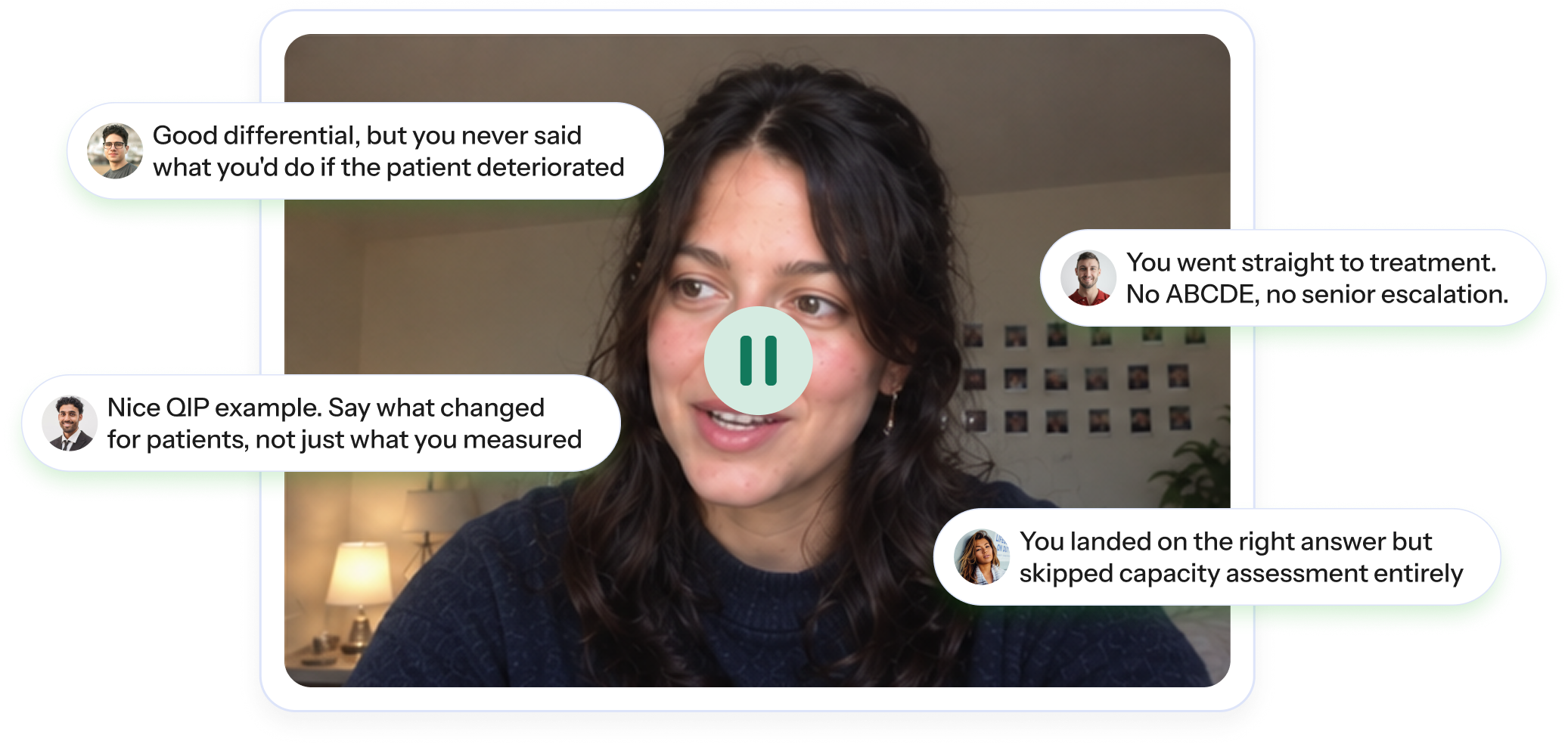
Preparing alone means you won't know how you're coming across during the interview. And preparing with the same few candidates means you'll miss opportunities to improve, which is why it's so important to get as many opinions as possible on your performance. With Medibuddy, you can record a mock and submit it for feedback from other candidates on the platform, so you receive a wider range of feedback and refine your answers with each person you practise with. Reviewing other people's mocks is just as valuable, as it shows you how strong candidates handle the same scenarios, which is one of the fastest ways to improve.
Pick your plan
Choose the Trauma & Orthopaedics ST3 Revision Platform, the Knowledge Course, or both
The Revision Platform gives you access to the Question Bank and the chance to practise alongside other candidates, providing the foundation for your interview preparation. However, when you're doing well, interviewers will often throw in curve-ball questions to test the depth of your clinical knowledge. If you can't answer these questions, you won't get the top marks and your final ranking will suffer. The thing is, you can only answer them well if you really understand the topics, which is why we recommend adding our Trauma & Orthopaedics ST3 Knowledge Course to your subscription (£44.99 saved if you buy both together).
What the Trauma & Orthopaedics ST3 Knowledge Course covers
7 video lectures, over 4 hours, taught by Trauma & Orthopaedic registrars who've recently been through ST3 selection.
This is Omar's Diabetic Foot module: how to assess, investigate and manage the diabetic foot and osteomyelitis, including the red flags and management principles.
Omar Mostafa, Trauma & Orthopaedic Registrar. Free to watch, no sign-up.
"The presentations were excellent for the purpose of interview preparation. The sessions covered the clinical aspects of the conditions in real depth."
What to expect from the Trauma & Orthopaedics ST3 interview
Trauma & Orthopaedics ST3 is a competitive specialty. In 2025, 684 candidates applied for just 150 posts, which works out at well over four applicants for every post.
The interview is 60 minutes across the following four 10-minute stations: Commitment to Specialty, Clinical, Prioritisation, and Communication.
Station 1
Commitment to Specialty
You'll be asked about your career and experience to date, including your motivation for Trauma & Orthopaedics, learning and development, leadership, teamwork and academic experience. The panel won't have access to your portfolio, so you'll need to explain your experience and achievements clearly within your answers.
Station 2
Clinical Judgement
You'll be given a clinical scenario to work through. Expect to explain your clinical reasoning as the scenario develops, including how you would assess the situation, make decisions and communicate your approach.
Station 3
Prioritisation
You'll be given a prioritisation exercise designed to test how you organise competing clinical demands and make decisions under pressure. You'll need to explain not just what you would prioritise, but the reasoning behind your decisions and the information you would need.
Station 4
Communication
You'll work through a scenario involving communication with a patient. As well as communicating clearly, you'll need to gather the relevant information, demonstrate appropriate clinical judgement and respond to the situation as it develops.
How the interview is scored
The four stations are marked against the Trauma & Orthopaedics ST3 person specification. Our model answers are structured against those criteria, so you know exactly what a strong, well-organised answer looks like at each station.
Get ready
How to prepare for the Trauma & Orthopaedics ST3 interview
Start with the Question Bank
Work through 60+ scenarios across every station, each with a worked answer from a candidate who scored well in the interview. Start by reading how a strong answer is formed, then think about how you'd deliver it.
Talk the hard ones through in Study Groups
Study groups are your biggest opportunity to network and connect with other candidates sitting the same interview as you. Everyone on the platform is in the same boat as you, so don't be scared to get involved and ask questions. After all, someone in your study group might just help you work through a scenario you've been struggling with.
Rehearse out loud in Live Mocks
Live mocks are where you begin to put everything you've learned into practice, and we know from experience that those who practise with a wide range of candidates usually do the best. So organise mocks with people from one of your study groups, or get matched with a random Trauma & Orthopaedics ST3 candidate, then take turns as interviewer and candidate using real scenarios until answering out loud under pressure feels normal.
Get reviewed with Peer Feedback before the day
Once you've recorded a mock, you can have other community members review it. This allows you to see how you come across to other people, and gives you time to refine your delivery as you revise, rather than being caught out on the day. Reviewing other people's mocks is just as crucial, as you can see how other candidates navigate the same scenarios as you.
Build the clinical depth behind your answers
Your initial delivery might be perfect. However, without a deep clinical understanding of the orthopaedic topics, you won't be able to answer those tricky follow-up questions, and the interviewers won't give you the top marks. By adding the Trauma & Orthopaedics ST3 Knowledge Course to your subscription, you'll gain access to 7 lectures that provide the in-depth knowledge needed to answer the most challenging curve-ball questions in the clinical station.
Questions
Frequently asked questions
What does the Trauma & Orthopaedics ST3 interview involve?
The interview is 60 minutes across four 10-minute stations: Commitment to Specialty (formerly Portfolio), Clinical, Prioritisation, and Communication.
How competitive is the Trauma & Orthopaedics ST3 interview?
Very. In 2025 there were 684 applicants for just 150 posts, which is well over four candidates for every post.
Who writes the model answers?
High-scoring candidates who sat the Trauma & Orthopaedics ST3 interview and secured some of the most competitive orthopaedic jobs.
Can I practise with other candidates?
Yes. Every Revision Platform purchase gives you the opportunity to connect with other candidates through Study Groups, Live Mocks and Peer Feedback.
How do the Live Mocks work?
All you have to do is join the waiting room, and we match you with another Trauma & Orthopaedics ST3 candidate. You can then take turns as interviewer and candidate on real Question Bank scenarios, allowing you to gain experience answering out loud to a real person before you ever sit in front of the panel.
What are Study Groups and how do they help?
Study groups are community forums for doctors across the country preparing for the same Trauma & Orthopaedics ST3 interview. You can ask questions, share what you're struggling with, and compare how you'd approach a scenario.
Can I get feedback on my interview performance?
Yes. After you've recorded a mock, you can ask other members to review it, allowing you to see which part of your answer needs fine-tuning.
What's the difference between the Question Bank and the Knowledge Course?
The Question Bank includes over 60 scenarios with model answers across all four stations, alongside Study Groups, Live Mocks and Peer Feedback. The Knowledge Course builds the clinical understanding behind those answers, so you can reason through follow-up questioning. It contains 7 modules and over 4 hours of teaching from Trauma & Orthopaedic registrars who've recently completed ST3 selection. They work best together, and the Bundle saves you £44.99 compared with buying both separately.
Why use Medibuddy over other Trauma & Orthopaedics ST3 question banks?
We've been preparing doctors for specialty interviews for 10 years, and the Question Bank is updated every year by editors who've recently scored well in this interview. That means the scenarios always reflect this year's interview. And it doesn't just stop at a question bank. Every purchase includes access to Study Groups, Live Mocks and Peer Feedback, so you can revise alongside candidates across the country.
How do you keep the Trauma & Orthopaedics ST3 Question Bank up to date?
We review and update it twice a year. In April, once that year's interviews are done, and again in October and November, once the new recruitment guidance is published, we run a full update against the new format and scoring. For 2027, that process meant expanding 26 clinical scenarios.
How long do I get access for?
Access runs for 12 months from the purchase date.
Start preparing for the Trauma & Orthopaedics ST3 interview
The Revision Platform gives you over 60 scenarios to practise and refine with other candidates through Study Groups, Live Mocks and Peer Feedback.
Most candidates add the Knowledge Course for £45, which contains 7 video lectures on the orthopaedic topics behind the clinical station. It's the natural add-on if you want to score top marks in the interview.
Get The Bundle: Revision Platform + Knowledge Course for £189.99



 Close
Close



 Diabetic Foot & Osteomyelitis
 Core clinical understanding
 Presentation and recognition
 Investigation and management principles
 Safety considerations and complications

