


 Close
Close
 4th July 2023
Background
Photosensitivity describes a group of symptoms, diseases and conditions that are exacerbated by sunlight. Photodermatosis is a rash caused by photosensitivity, whereas it is called photodermatitis if the rash is eczematous. There are many different classifications of photosensitive rashes:
- Primary – exposure to sun causes a specific disease, e.g. polymorphic light eruption, solar urticaria, juvenile spring eruption
- Exogenous – photodermatoses rash is caused by an external photosensitiser such as food, drug or chemical that increases sensitivity to light, e.g. thiazide, tetracycline, NSAID, quinine
- Metabolic – the photodermatitis is caused by a metabolic defect, e.g. porphyria cutanea tarda
- Genetic – associated with a genetic disorder, e.g. xeroderma pigmentosum
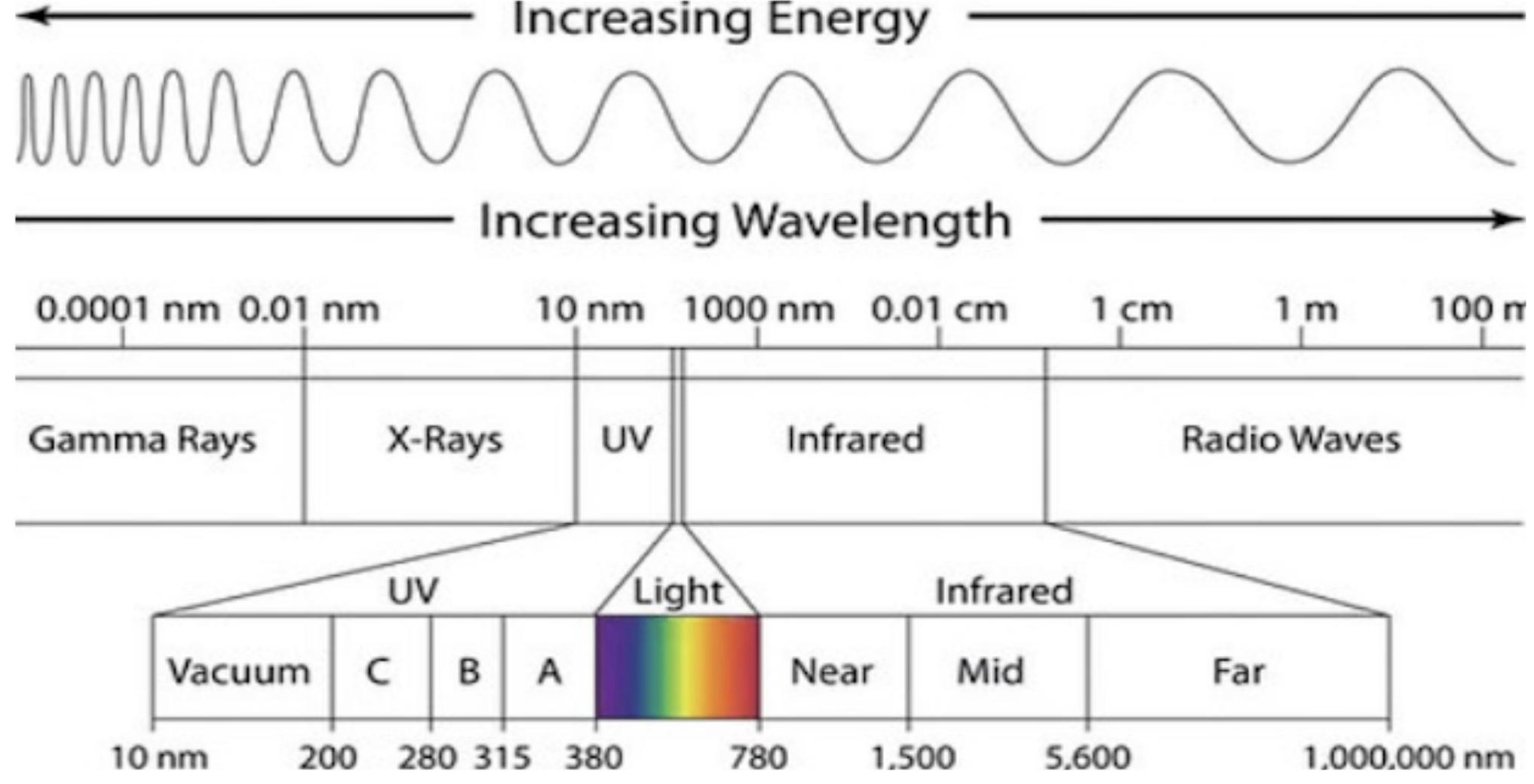
Light Spectrum
Image Source: Flickr (2020). Light spectrum, Licensed under a creative commons licence. Available for free at: https://www.flickr.com/photos/rosenfeldmedia/49781640696 (Accessed on: 1 April 2022).
Complete Guide to Clinical Genetics ST3 Application and Recruitment (2027)
Written by Medibuddy. Last updated: October 2026. Clinical Genetics is

Complete Guide to Clinical Radiology ST3 Application and Recruitment (2027)
Recruitment paused: NHS England is not running Clinical Radiology ST3+ recru

Complete Guide to Paediatric Surgery ST3 Application and Recruitment in United Kingdom (2026)
Written by Medibuddy. Last updated: October 2026. If you’re planning


Take your subscriptions with you
Our mobile app allows you to access your interview and exam question banks wherever you are.

