


 Close
Close
 31st January 2024
Presentation
Anorexia Nervosa
Anorexia nervosa is defined by a low body weight for an individual compared to their demographics, and not due to another health condition or due to the unavailability of food. A typical threshold for diagnosis is an adult BMI of 18.5kg/m2, or in adolescents, BMI-for-age of under the 5th percentile. However, this may miss many people in the early stages of the disorder, where psychological treatments are more likely to be effective, and so there is now recognition of rapid weight loss of 20% total body weight within 6 months. Presence of the starvation syndrome is not required to make a diagnosis.
The psychological symptoms can be split into cognitive and behavioural symptoms:
Cognitive symptoms
- Fear of weight gain
- Body image distortion of seeing themselves as overweight when of a healthy or underweight
- Unrealistic concept of a healthy weight, often with an unachievable goal
These thoughts are overvalued (i.e., difficult to argue, but will show some insight) and obsessive, dominating the person’s thinking. Sometimes fear of being overweight is attributed to other cognitions, e.g., religious fasting, gastrointestinal complaints, or to pursue a more muscular appearance (often seen in men). Cognition drives the behavioural symptoms, which are aimed at reducing energy intake:
- Restricted eating
- Choosing lower calorie foods (or believed lower in calories)
- Slow eating, e.g., playing with food or trying to conceal it from being eaten
- Purging (e.g., vomiting, laxative use)
- Increasing energy consumption: usually excessive exercise, but can be increasing exposure to cold
- Avoidance of insulin if diabetic
- Use of stimulants and thyroxine
- Preoccupation with body image will lead to frequent checking behaviours (e.g., weighing frequently, checking in mirrors) or avoidance by wearing loose clothing or getting rid of mirrors at home
There may be a depressive-type syndrome, often due to the psychological changes caused by starvation – the brain’s response to lack of food is to go into a “power save” mode similar to a mobile phone on low battery, which mimics depression. All these symptoms will often impact social functioning, e.g., being late for work due to checking appearance, causing arguments with friends and family and being unable to function due to poor concentration.
Bulimia Nervosa
Bulimia nervosa is defined by periods of food binges, a discrete period of time (e.g., 2 hours) where a person loses control over what they eat, eating more or different foods than usual, and not feeling satiety or able to limit their intake, occurring on a regular basis (at least once a week). This is then counteracted by methods to avoid weight gain, in a similar fashion seen in Anorexia Nervosa. Binge eating is usually accompanied by emotional distress, and the patient will experience similar psychological symptoms as anorexia. Binge eating is usually triggered by stress or the hunger drive due to a period of restriction. If purging is severe, it can present with symptoms and signs of hypokalaemia due to vomiting or laxative use. However, starvation syndrome (see below) tends to be less severe but can still have risks of refeeding syndrome if compensatory behaviours are severe.
A bulimia nervosa presentation without the compensatory behaviours is termed a binge-eating disorder, and is usually accompanied by weight gain.
Purging most often associated with Bulimia but also seen in other disorders, especially anorexia, which has its own characteristic signs and symptoms that you should be aware of.
Specific symptoms, signs and comorbidities for purging:
- Russell’s sign – Rough skin on backs of knuckles from induced vomiting
- Erosion of teeth and dental caries from stomach acid and exacerbated by immediately brushing teeth.
- Gastric and duodenal ulcers
- Oesphageal erosions
- Pancreatitis
- Arrthymias secondary to electrolyte disturbance.
Avoidant-restrictive food intake disorder (ARFID)
A recently recognised disorder which presents similarly to anorexia, though the psychological symptoms of food refusal are not based on a fear of fatness but rather due to other thoughts or beliefs around food. This will then cause the patient to fail to gain sufficient calories for healthy social functioning, therefore can present similar with the starvation syndrome. They can also present with specific nutritional deficiencies if the belief is about a particular food group, e.g. fruit and vegetables. This is usually due to avoidance of certain food characteristics (e.g., smell, colour, texture), lack of recognition of hunger, fear of choking or vomiting and emotional distress at mealtimes. There is often an overlap with sensory processing, similar to difficulties seen in autism spectrum disorders.
Starvation Syndrome
The presentation of the physical health complications of Anorexia Nervosa, sometimes ARFID will be that of starvation syndrome, namely. Symptoms include:
- Amenorrhea
- Lack of adolescent growth
- Fainting, especially during exercise
Muscle power is measured by the sit-up-squat-stand (SUSS) test. A score of <2 is indication of proximal muscle weakening
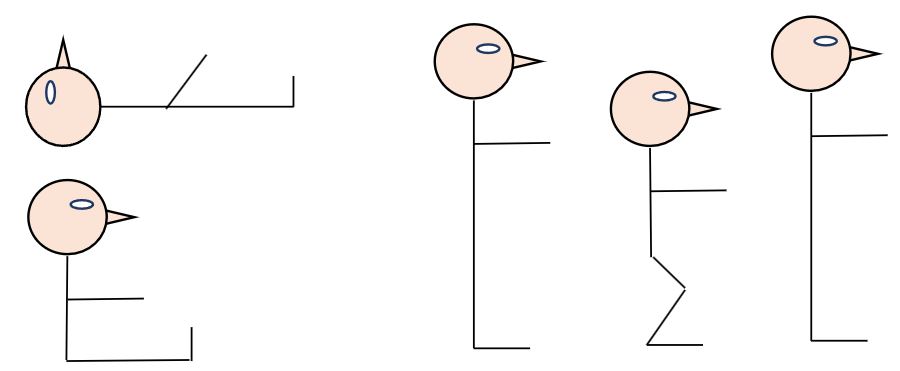
Sit up: sit up from lying unaided by arms. Stand-Squat-Stand: squat without using hands
Scoring: 0 – unable. 1 – able only with hands 2- with difficulty 3 – no difficulty
Adapted from Royal College of Psychiatrists (2022). MEED. Medical Emergencies in Eating Disorders. RCPsych Guideline CR 233
Complete Guide to Clinical Genetics ST3 Application and Recruitment (2027)
Written by Medibuddy. Last updated: October 2026. Clinical Genetics is

Complete Guide to Clinical Radiology ST3 Application and Recruitment (2027)
Recruitment paused: NHS England is not running Clinical Radiology ST3+ recru

Complete Guide to Paediatric Surgery ST3 Application and Recruitment in United Kingdom (2026)
Written by Medibuddy. Last updated: October 2026. If you’re planning


Take your subscriptions with you
Our mobile app allows you to access your interview and exam question banks wherever you are.

