


 Close
Close
 17th June 2024
Prophylaxis
The required type of prophylaxis, if any, depends on malaria species prevalence and resistance patterns in the region of interest. A comprehensive list by country can be found in the references below. If the risk of falciparum is negligible, no prophylaxis is recommended. If the risk of falciparum is small, bed nets alone may be sufficient. There are two broad types of chemoprophylaxis: suppressive and causal. Doxycycline is an example of a suppressive prophylactic, which kills blood stage parasites only. This means the medication must be taken for a period once the individual has left the region of risk. Conversely, causal prophylaxis, such as atovaquone with proguanil, stops parasite development in the liver and can, therefore, be discontinued shortly after leaving the endemic area.
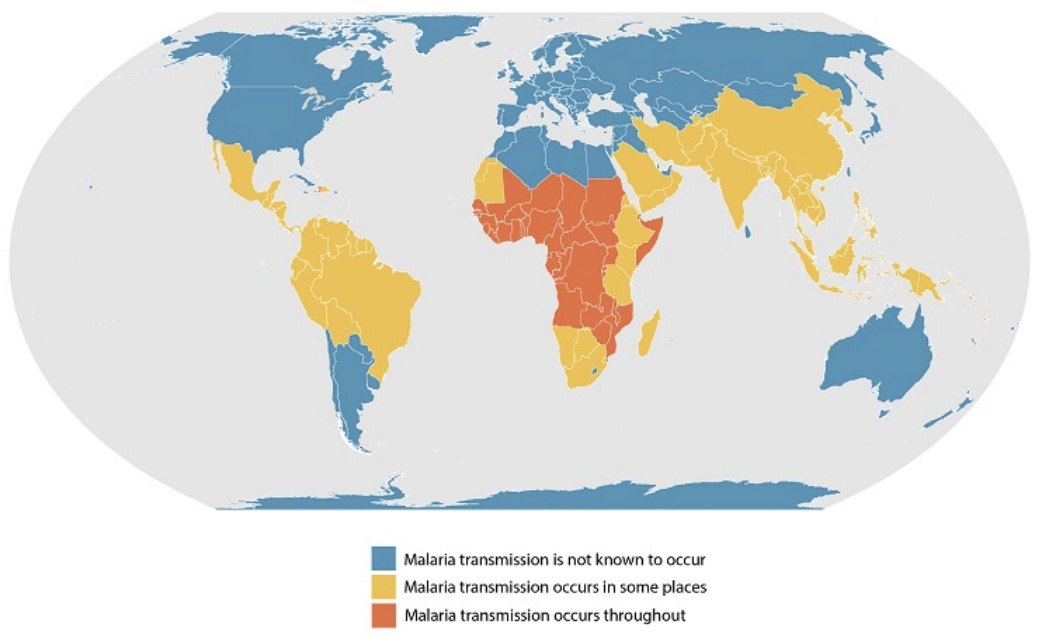
Image Source: CDC (2020). Malaria about distribution, Licensed under a creative commons licence. Available for free at: https://www.cdc.gov/malaria/about/distribution.html (Accessed:24 January 2024).
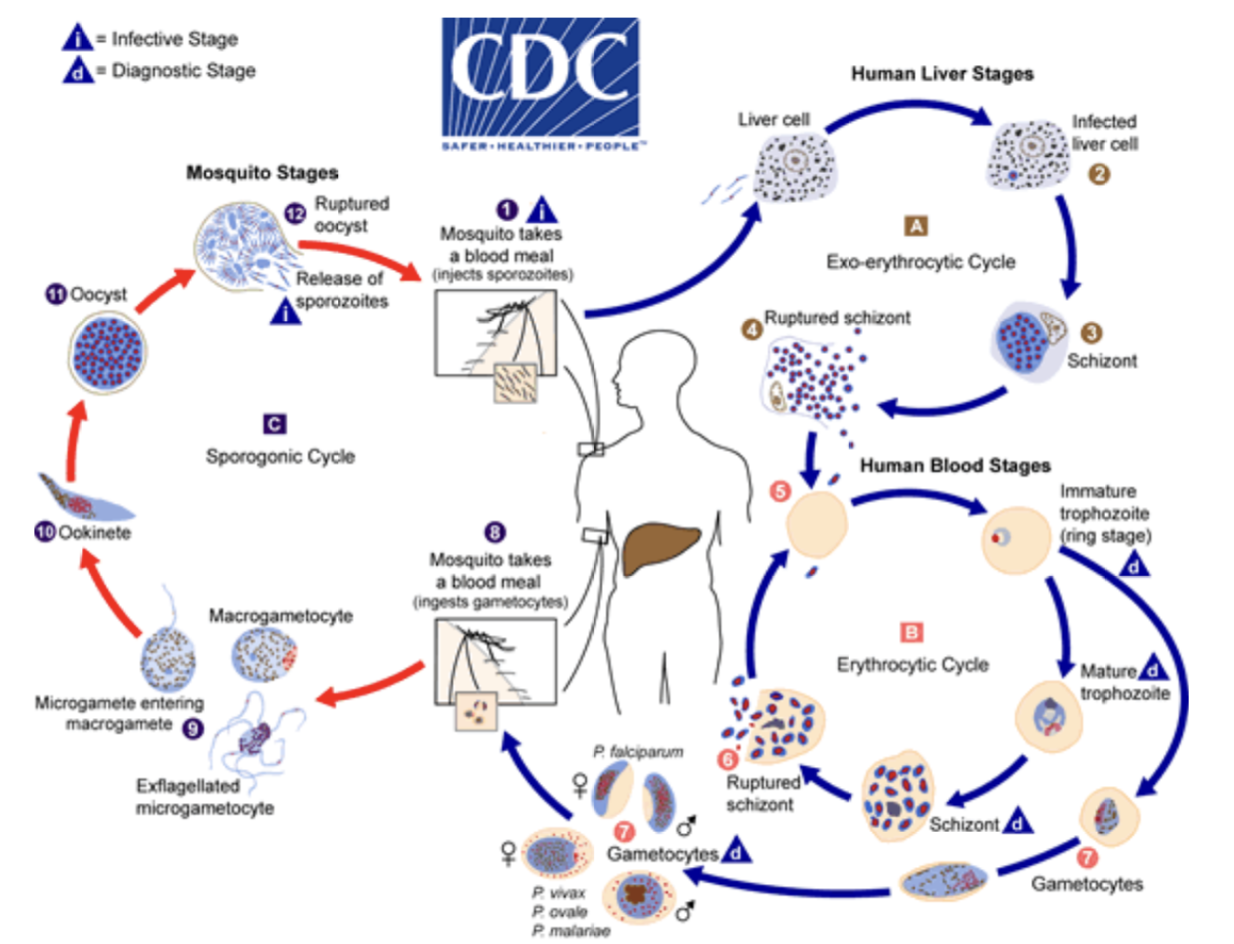
Image Source: CDC (2020). Malaria about biology, Licensed under a creative commons licence. Available for free at: https://www.cdc.gov/malaria/about/biology/index.html (Accessed: 24 January 2024).
Complete Guide to Clinical Genetics ST3 Application and Recruitment (2027)
Written by Medibuddy. Last updated: October 2026. Clinical Genetics is

Complete Guide to Clinical Radiology ST3 Application and Recruitment (2027)
Recruitment paused: NHS England is not running Clinical Radiology ST3+ recru

Complete Guide to Paediatric Surgery ST3 Application and Recruitment in United Kingdom (2026)
Written by Medibuddy. Last updated: October 2026. If you’re planning


Take your subscriptions with you
Our mobile app allows you to access your interview and exam question banks wherever you are.

