


 Close
Close
 6th July 2026
Complications
The commonest complications of a DVT include a PE and post-thrombotic syndrome. In post-thrombotic syndrome, a chronic condition, the thrombus obstructs blood flow, resulting in venous hypertension and valvular incompetence. This can lead to chronic venous insufficiency. As a result, patients may have leg pain, oedema, a feeling of “heaviness,” and skin hyperpigmentation.
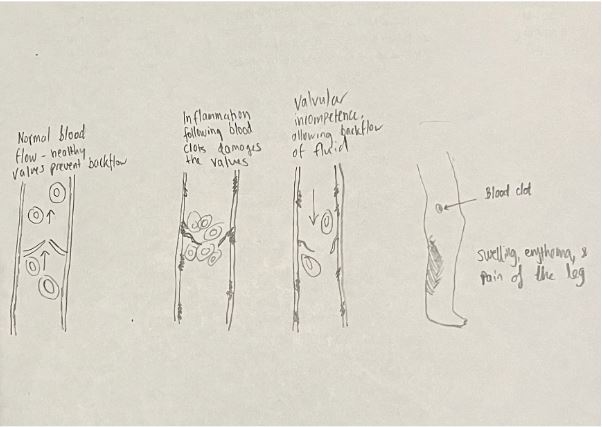
Figure 5 – Pathophysiology of post-thrombotic syndrome
Complications of a PE can be life threatening, and include recurrent thromboembolisms, right heart failure, and cardiogenic shock. When a thrombus occludes a pulmonary artery, it may cause a part of the lung to infarct. This is rare as the lung’s bronchial circulation is not disrupted and is generally adequate. However, if there is an infarct, the pressure in the pulmonary arterial bed may rise, causing cardiac output to drop. Eventually, the patient may go into shock.
Complete Guide to Clinical Genetics ST3 Application and Recruitment (2027)
Written by Medibuddy. Last updated: October 2026. Clinical Genetics is

Complete Guide to Clinical Radiology ST3 Application and Recruitment (2027)
Recruitment paused: NHS England is not running Clinical Radiology ST3+ recru

Complete Guide to Paediatric Surgery ST3 Application and Recruitment in United Kingdom (2026)
Written by Medibuddy. Last updated: October 2026. If you’re planning


Take your subscriptions with you
Our mobile app allows you to access your interview and exam question banks wherever you are.

