Stroke Medicine/General (Internal) Medicine ST4 Interview Question Bank | Medibuddy
Stroke Medicine and GIM ST4 • 2027 Interview

The 2027 Stroke Medicine and General Internal Medicine ST4 Interview Revision Platform: Question Bank, Live Practice and Mocks with Other Candidates

The Medibuddy Stroke Medicine and General Internal Medicine ST4 Question Bank includes over 40 scenarios that closely mirror the real interview, each with a model answer written/edited by high-scoring candidates who sat the Stroke Medicine and GIM ST4 interview in 2026.

However, knowing a strong answer isn't the same as delivering it well under pressure, which is why we provide:

10 years’ experience preparing doctors for interviews

Users of the Medibuddy Stroke Medicine and GIM ST4 Revision Platform have secured some of the most competitive training jobs in recent rounds. Ask around, there's a good chance the trainees in the year above you used us too.

Always up to date

Did you know the interviews change every year? That's why we review and update every Question Bank on the platform twice a year, so you know you're always practising with scenarios based on the latest interview structure.

Network and practise real interview scenarios with other candidates

Question Bank

See every scenario, and how to answer it well

Over 40 scenarios across every station, which tell you exactly how to respond to each question.
Study Groups

Connect with candidates across the country
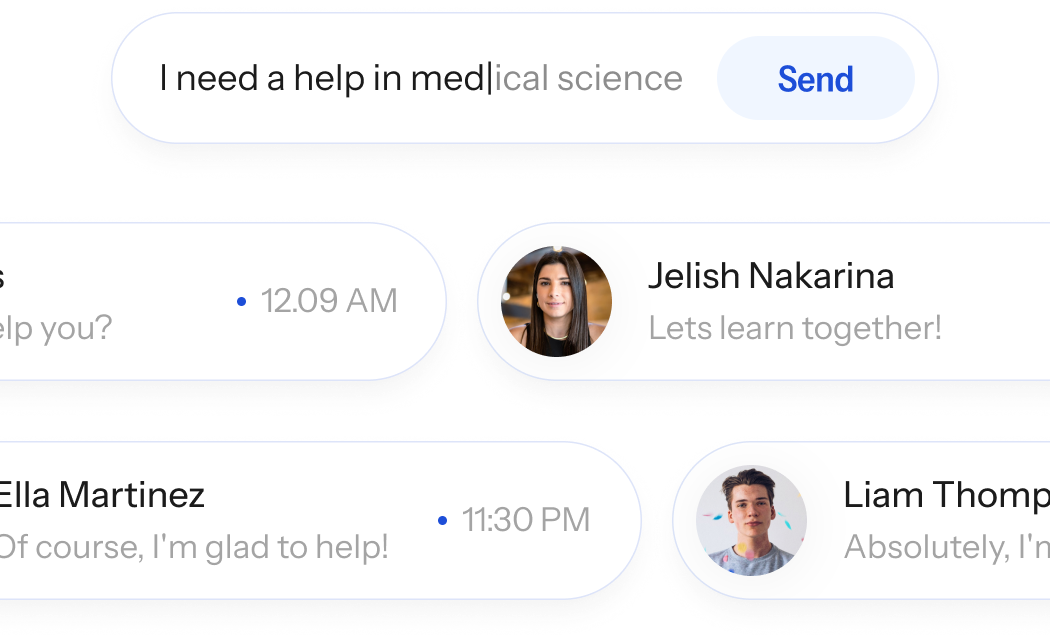
Most people only ever practise with one or two friends. Study Groups connect you with candidates right across the country sitting the same Stroke Medicine and GIM ST4 interview.
Live MocksBeta

Practise interview technique with different candidates
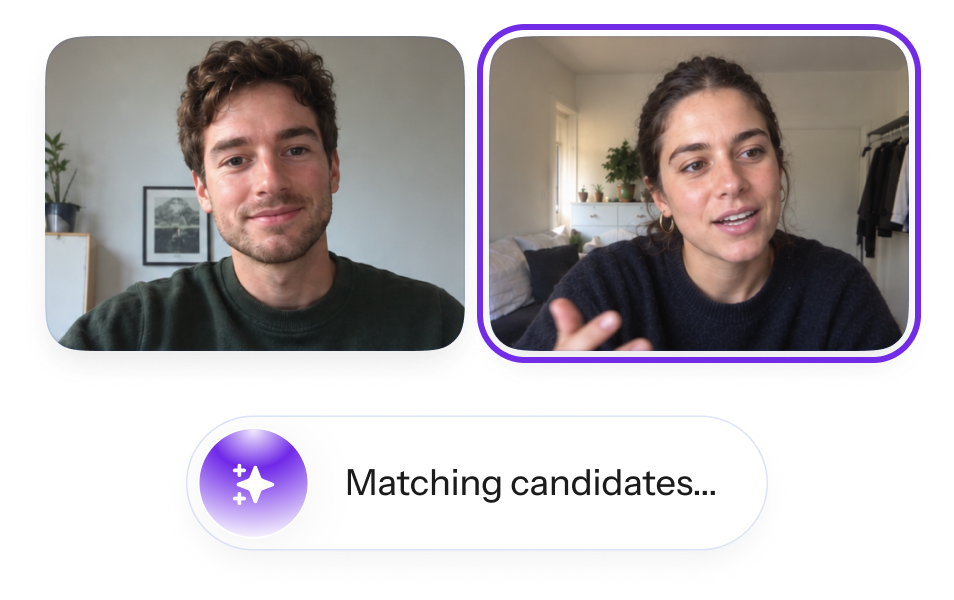
Arrange or get matched on demand with other candidates and run real scenarios out loud under interview conditions. Those who practise with the widest range of people tend to score the highest.
Peer FeedbackBeta

Reviewed by candidates across the platform

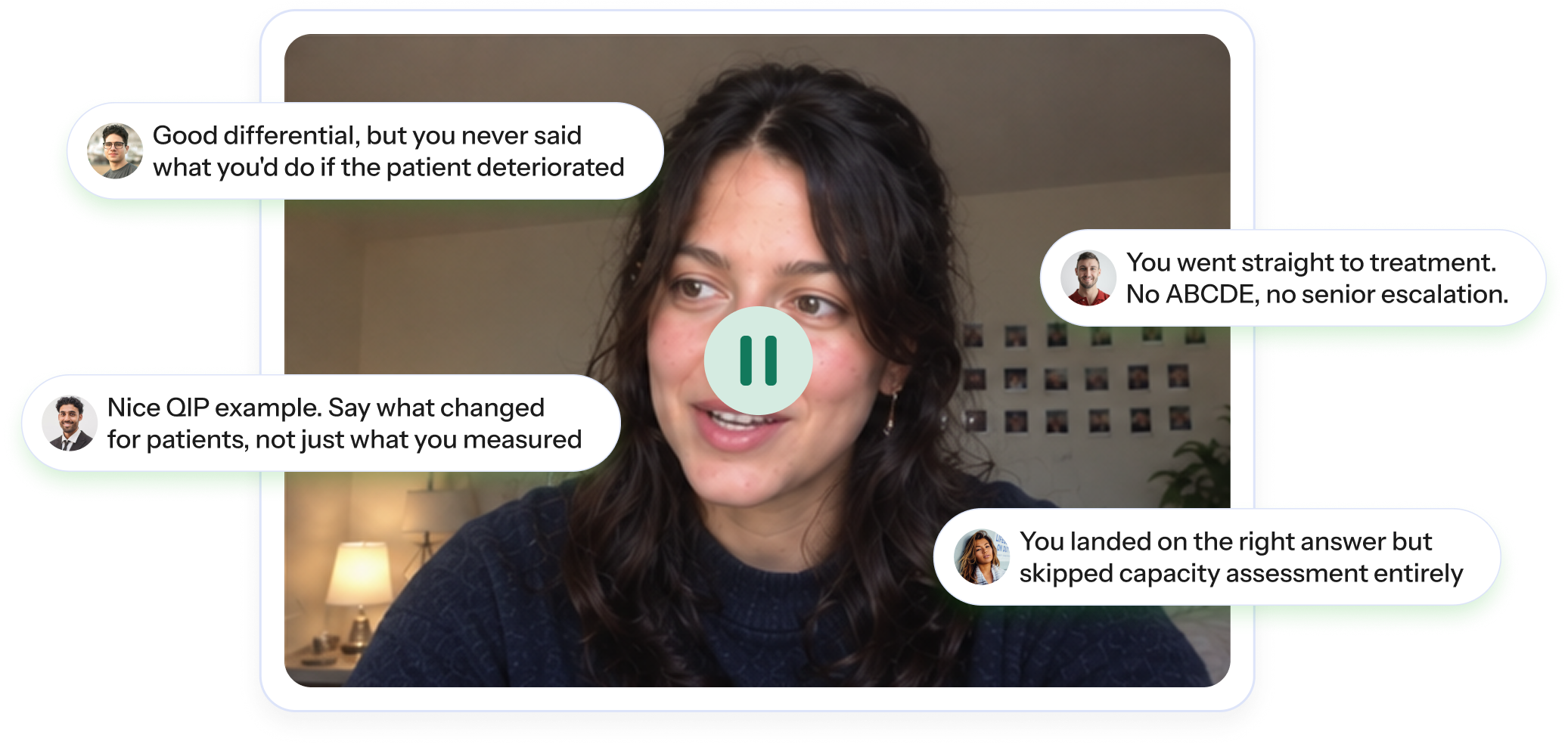
Submit your recorded mocks to candidates across the platform and get honest, varied feedback. Reviewing other people's mocks teaches you just as much.

The question bank, and other candidates to practise with, all in one platform.

Stroke Medicine and GIM ST4 Revision Platform • £144.99

Gain access to over 40 scenarios across every station, and collaborate with other candidates through Study Groups, Live Mocks and Peer Feedback.
Get instant access
What candidates say

Scored well, secured their post

A few of the candidates who prepared with us for the Stroke Medicine and GIM ST4 interview.

Verified candidateInterviewed 2026
"The clinical scenarios were pitched exactly right. Having a structure ready meant I could work through a hyperacute stroke calmly under pressure."
Secured first-choice deanery
Verified candidateInterviewed 2026
"Practising the registrar and ethics questions out loud with other candidates was the single most useful thing I did before the day."
Ranked highly
Part 1 • See the questions

The Medibuddy 2027 Stroke Medicine and GIM ST4 Question Bank

The interview uses a two-station model and takes about 35 to 40 minutes, with each part tightly timed, so you have a limited window to deliver the high-scoring answers you need to do well. That means every point has to land, and knowing how to structure each answer is essential. That's why each of our 40-plus scenarios comes with a model answer, written by candidates who scored highly in the 2026 Stroke Medicine and GIM ST4 interview, so you know exactly how to approach every question the interviewers throw your way.
What's inside

What's included in the Stroke Medicine and GIM ST4 Question Bank

There's nothing worse than getting to the interview and being handed a scenario you've never seen before. The panel can draw on clinical, registrar, ethical and suitability domains across both stations, so the safest approach is to revise across all of them. We provide scenarios for every part of the interview, including the common ones and the more unusual cases that have come up before, so you don't get caught out.

Clinical Scenarios

Acute stroke and general medical cases where you play the registrar, each with a worked answer showing how to structure your response.

Medical Registrar Suitability

Questions on managing the acute unselected take and leading a team, with model answers that show you're ready to work as a medical registrar.

Ethical, Professionalism & Governance Scenarios

Realistic ethical, professionalism and governance dilemmas, with structured model answers so you can reason through them clearly on the day.

Application and Training/Suitability & Commitment

Your chance to show your motivation for stroke medicine and general internal medicine and why you're suited to ST4, now scored at interview, with example questions and model answers.
Reflecting how the interview is really assessed
Our model answers are written to reflect the current interview structure, alongside the clinical, registrar, ethical, and application and training/suitability and commitment domains.
Try it

Try an example Stroke Medicine and GIM ST4 question

You are the stroke medicine ST4 registrar on call. A 72-year-old man is brought to A&E with sudden left arm and leg weakness and a left facial droop, witnessed onset 80 minutes ago. He is alert, GCS 15.

Blood pressure 176/98, heart rate 94 and irregular, blood glucose 8.1. He takes aspirin and rivaroxaban 20mg once daily for AF, with his last rivaroxaban dose about 14 hours ago. A plain CT head is reported as normal, with no haemorrhage and no established infarct.

How would you approach this?

Question
How would you approach him in the first few minutes?
Example answer
This is a hyperacute ischaemic stroke, and my priority is to assess reperfusion eligibility within the time window, in line with NICE and the RCP stroke guideline.
  • Activate the hyperacute stroke pathway and alert the stroke consultant immediately.
  • An ABCDE assessment, confirming this is not a mimic; hypoglycaemia is already excluded.
  • Establish the precise last-known-well time; witnessed onset 80 minutes ago places him within the 4.5-hour alteplase window, but time is short.
  • Recognise him as a rivaroxaban patient, which is the critical factor governing thrombolysis, and clarify the exact timing of his last dose and any thrombolysis contraindications, along with his premorbid function.
Question
What would you look for on examination, and how would you quantify the deficit?
Example answer
A focused, time-efficient examination runs alongside preparation for reperfusion.
  • A targeted cranial nerve and limb neurological examination, with a formal NIHSS score to quantify severity, guide the risk-benefit discussion and inform thrombectomy candidacy.
  • Blood pressure in both arms; a sustained BP above 185/110 is a contraindication to thrombolysis and needs treatment, for example IV labetalol, before proceeding.
  • A cardiovascular examination to confirm AF, and a swallow assessment, keeping him nil by mouth until it is done.
  • Document baseline observations and GCS for serial comparison.
Question
What investigations would you request, and how does the rivaroxaban affect your thrombolysis decision?
Example answer
Investigations run in parallel with treatment preparation, without causing delay.
  • An urgent anti-Xa level is the key test to determine his residual rivaroxaban effect and is required before alteplase.
  • FBC, U and E, coagulation and a group and save, a 12-lead ECG, and CT angiography of the head and neck to identify a large vessel occlusion for thrombectomy.
On the rivaroxaban: alteplase is contraindicated if the anti-Xa level shows significant residual anticoagulation, with the local cut-off (typically below 0.5) confirmed with the consultant. If the level is above threshold he may still be a thrombectomy candidate. The 14-hour interval makes a residual effect plausible but not certain, so objective measurement is mandatory.
Question
His anti-Xa is 0.08 and CT angiography confirms a proximal right M1 occlusion. What would you offer, and how?
Example answer
With a low anti-Xa, no other contraindications and a confirmed M1 occlusion, he is a candidate for both IV thrombolysis and mechanical thrombectomy, which are complementary.
  • Give IV alteplase at 0.9 mg/kg (maximum 90 mg), 10% as a bolus then the rest over 60 minutes, keeping BP below 185/110.
  • Make a simultaneous urgent referral to interventional neuroradiology for thrombectomy, targeting a door-to-groin time under 60 minutes.
  • Admit to the hyperacute stroke unit with cardiac monitoring and 15-minute neurological observations, and withhold antiplatelet and anticoagulant agents for 24 hours.
I would take a brief, Montgomery-compliant consent: explain he has had a stroke from a blocked artery, that a clot-busting drug can improve recovery if given quickly, and that the main risk is roughly a 6% chance of bleeding in the brain, checking his understanding and involving the family.
Question
During the infusion his left hemiplegia worsens and his GCS drops to 12. How would you manage this?
Example answer
I would treat this as a symptomatic intracranial haemorrhage until proven otherwise.
  • Stop the alteplase infusion immediately, reassess with ABCDE, and arrange an urgent non-contrast CT head, informing the radiologist and consultant and alerting neurosurgery early.
  • If haemorrhage is confirmed, involve haematology and give tranexamic acid or cryoprecipitate to replace the fibrinogen depleted by alteplase, per local protocol.
  • Keep the systolic BP below 140 to limit haematoma expansion, and send repeat coagulation and fibrinogen levels.
  • Neurosurgical evacuation may be considered in selected cases, and I would keep the family informed and document everything.
Question
He recovers well. What secondary prevention would you put in place?
Example answer
Prevention after a cardioembolic stroke focuses on anticoagulation, vascular risk and follow-up.
  • Restart anticoagulation once the 24-hour CT confirms no haemorrhagic transformation, timing it by infarct size using the 1-3-6-12 rule, and continuing a DOAC in preference to warfarin.
  • Target a long-term BP below 130/80, start a high-intensity statin, and give lifestyle advice on smoking, alcohol, weight and activity.
  • Arrange early supported discharge with community rehabilitation, and follow-up in a stroke clinic and with the AF team.
  • Advise him he must not drive for at least a month, and inform the DVLA if he holds an HGV or PSV licence.

That's one scenario. There are over 40 more.

Stroke Medicine and GIM ST4 Revision Platform • £144.99

Includes every scenario in the Question Bank, and access to Study Groups, Live Mocks with other candidates and Peer Feedback.
Get instant access
Actively maintained

How we keep our Question Banks up to date

The Stroke Medicine and GIM ST4 interview changes from year to year, and the biggest fear for any candidate is getting to interview day and realising you've revised with a question bank that's totally outdated.

That's why we review and update every Question Bank twice a year, so you know you're revising with scenarios that are likely to come up. We do this in April after the previous year's interviews, and again in the autumn when the new recruitment guidance is published.

For 2027, this process kept the Question Bank aligned with the single-accreditation ST4 programme, including commitment to specialty now being assessed at interview, so you always practise with the format the panel is using now.
Updated for 2027 Interviews
Part 2 • Practise them live

The only interview resource where you can practise live with other candidates from across the country

Our Stroke Medicine and GIM ST4 Question Bank tells you exactly how to answer real interview scenarios. But how you practise with them will determine how many marks you score. Simply reading answers off a screen won't prepare you for the intense scrutiny you'll face in the interview. And only practising with the same few colleagues or friends limits the amount of feedback you'll get. Medibuddy gives you unique access to Stroke Medicine and GIM ST4 candidates across the country, so you can learn from a variety of perspectives and hear a far wider range of feedback than your own circle could ever give you.
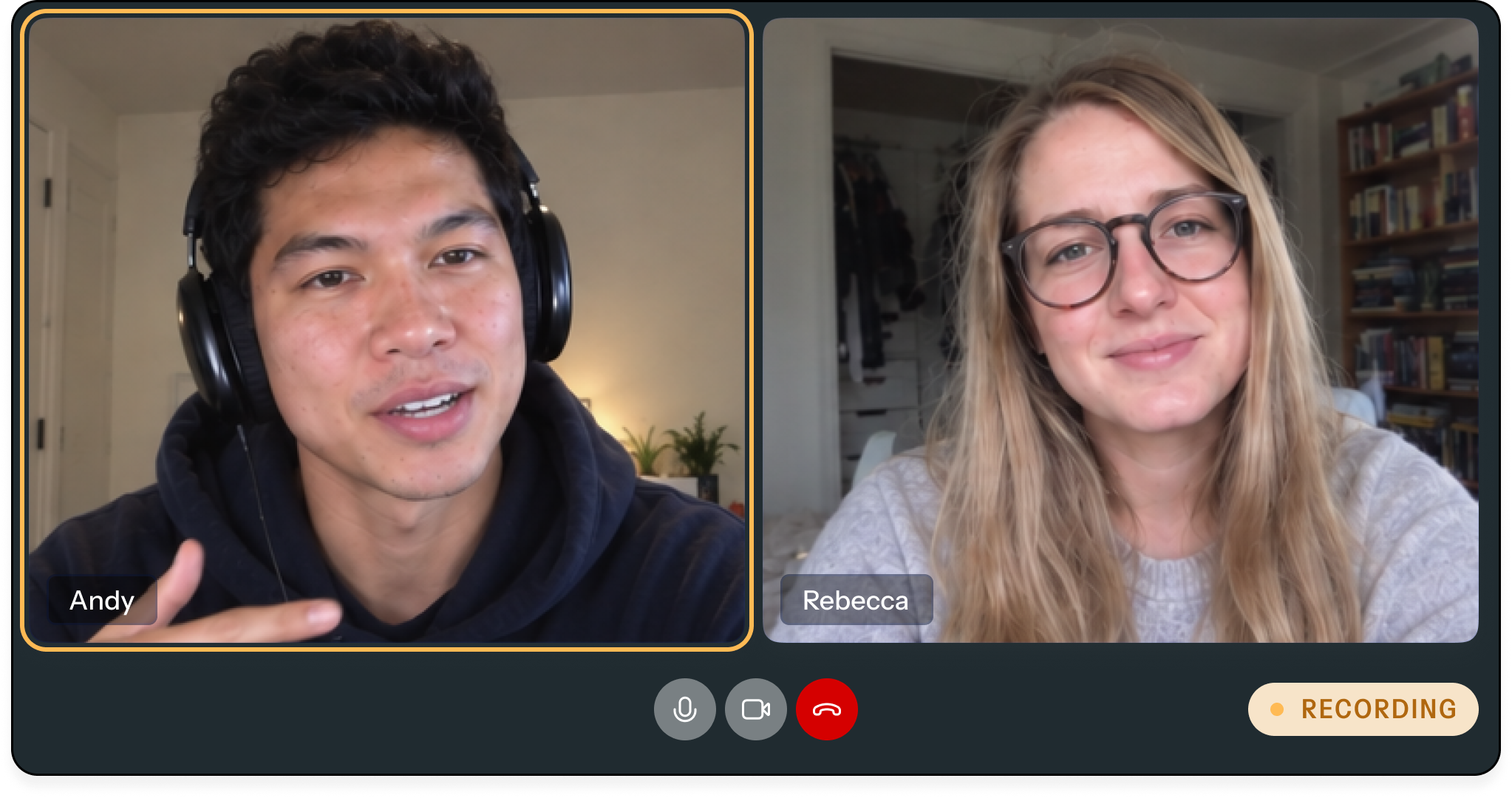
Study Groups
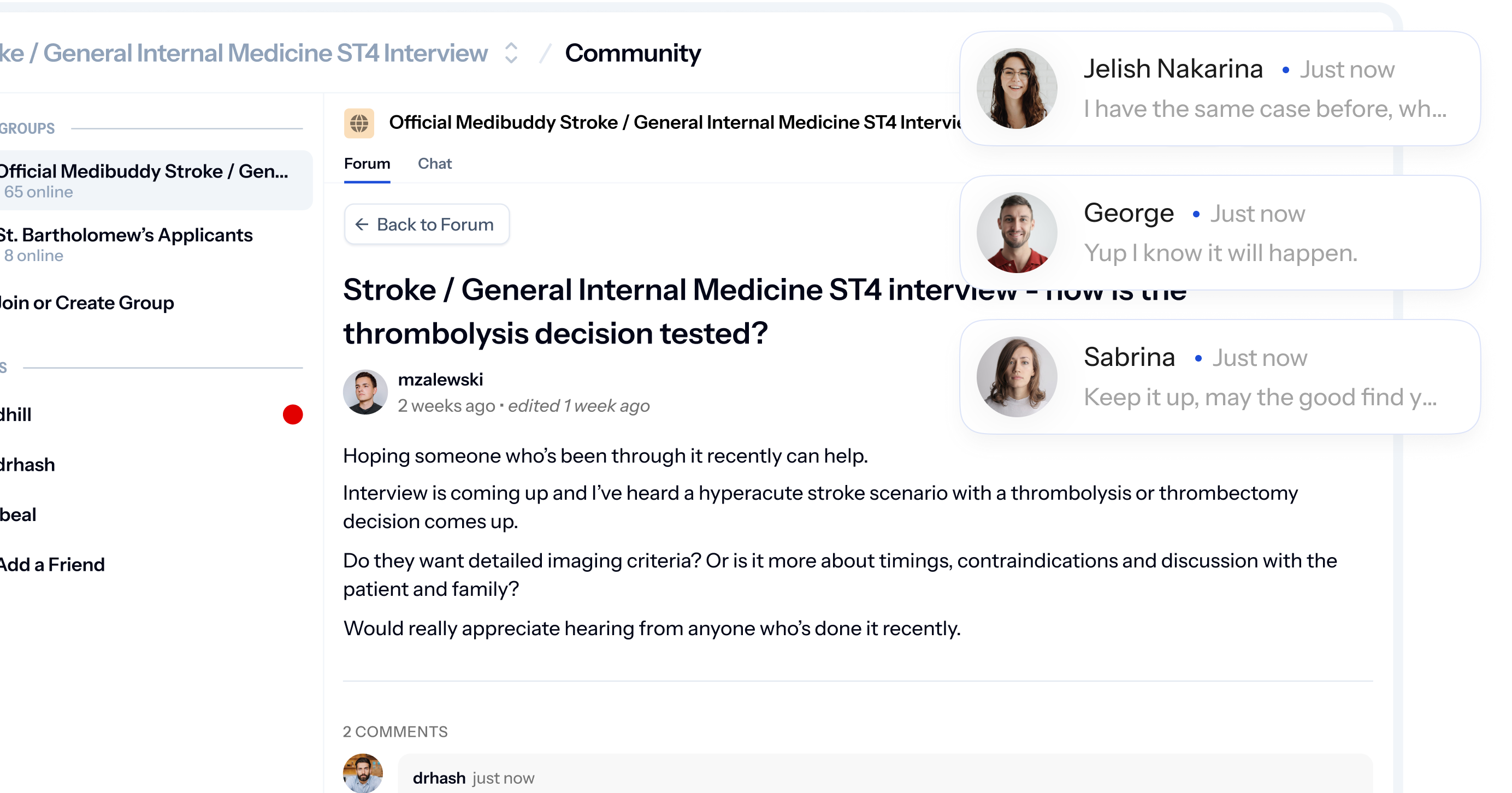
When you prepare in isolation, you're relying on your own interpretation of the interview process, which is one of the quickest ways to get found out on the day. Study Groups connect you with other doctors across the country who are also applying to Stroke Medicine and GIM ST4, so you can engage and network with people preparing for the same interview as you. Everyone brings different experience from different hospitals and deaneries, meaning you won't ever miss out on the key bits of information that could swing the interview in your favour.
Live MocksBeta
Candidates who don't take part in mocks often struggle to adapt to the pressure of the interview. Your knowledge might be correct, but without convincing delivery the interviewers will score you poorly. The best way to improve your delivery is to take part in as many live mocks as possible, which is why we haven't put a cap on how many you can do. We also know how difficult it can be to organise mocks with other people, so all you have to do is join the waiting room and we'll match you with a different Stroke Medicine and GIM ST4 candidate each time. Take turns as both the interviewer and candidate on real Question Bank scenarios, so you can see exactly how other candidates perform in real time, while refining your own interview technique.
Peer FeedbackBeta
Preparing alone means you won't know how you're coming across during the interview. And preparing with the same few candidates means you'll miss opportunities to improve, which is why it's so important to get as many opinions as possible on your performance. With Medibuddy, you can record a mock and submit it for feedback from other candidates on the platform, so you receive a wider range of feedback and refine your answers with each person you practise with. Reviewing other people's mocks is just as valuable, as it shows you how strong candidates handle the same scenarios, which is one of the fastest ways to improve.
The interview

What to expect from the Stroke Medicine and GIM ST4 interview

Stroke medicine with general internal medicine is a competitive specialty, now a single-accreditation ST4 programme. In 2025, 145 doctors applied for 32 posts, over four applicants for every place.

Domain

Clinical Scenario

An acute stroke or general medical scenario assessing your clinical judgement and safe, structured management. Start systematically before moving to more specialist management, and be ready to escalate.
Domain

Medical Registrar Suitability

Questions on managing the acute unselected take and leading a team, showing your readiness to work as a medical registrar.
Domain

Ethical, Professionalism & Governance

This question will require you to handle the moral, ethical and legal issues of a particular situation. Explain your reasoning, refer to relevant guidance, and show how you would handle it safely and professionally.
Domain

Application and Training/Suitability & Commitment

You’ll be asked about your career, achievements, motivation for stroke medicine and general internal medicine and why you’re suited to ST4, now assessed at interview rather than shortlisting.

How the interview is scored

The domains are marked against the person specification, with the interview weighted to make up the majority of your final ranking alongside your self-assessment. Our model answers are structured against those criteria, so you know exactly what a strong, well-organised answer looks like.
Get ready

How to prepare for the Stroke Medicine and GIM ST4 interview

Start with the Question Bank

Work through over 40 scenarios across every station, each with a worked answer from a candidate who scored well in the 2026 interview. Start by reading how a strong answer is formed, then think about how you'd deliver it.

Talk the hard ones through in Study Groups

Study Groups are your biggest opportunity to network and connect with other candidates sitting the same interview as you. Everyone on the platform is in the same boat, so don't be scared to get involved and ask questions. Someone in your study group might just help you work through a scenario you've been struggling with.

Rehearse out loud in Live Mocks

Live mocks are where you begin to put everything you've learned into practice, and we know from experience that those who practise with a wide range of candidates usually do the best. Organise mocks with people from one of your study groups, or get matched with a random Stroke Medicine and GIM ST4 candidate, then take turns as interviewer and candidate using real scenarios until answering out loud under pressure feels normal.

Get reviewed with Peer Feedback before the day

Once you've recorded a mock, you can have other community members review it. This lets you see how you come across to other people, and gives you time to refine your delivery as you revise, rather than being caught out on the day. Reviewing other people's mocks is just as crucial, as you see how other candidates navigate the same scenarios.
Questions

Frequently asked questions

What does the Stroke Medicine and GIM ST4 interview involve?
A two-station model taking around 35 to 40 minutes, with different pairs of interviewers scoring different domains: clinical scenario handling, medical registrar suitability, communication, ethics, and suitability and commitment to the specialty.
How competitive is the Stroke Medicine and GIM ST4 interview?
Competitive. In 2025, 145 doctors applied for 32 posts, over four applicants for every place, which is why a structured, well-rehearsed approach matters.
Who writes the model answers?
High-scoring candidates who sat the Stroke Medicine and GIM ST4 interview in 2026, so the answers reflect what came up and what scored this year.
Can I practise with other candidates?
Yes. Every Revision Platform purchase gives you the opportunity to connect with other candidates through Study Groups, Live Mocks and Peer Feedback.
How do the Live Mocks work?
All you have to do is join the waiting room, and we match you with another Stroke Medicine and GIM ST4 candidate. You then take turns as interviewer and candidate on real Question Bank scenarios, so you gain experience answering out loud to a real person before you ever sit in front of the panel.
What are Study Groups and how do they help?
Study Groups are community forums for doctors across the country preparing for the same Stroke Medicine and GIM ST4 interview. You can ask questions, share what you're struggling with, and compare how you'd approach a scenario.
Can I get feedback on my interview performance?
Yes. After you've recorded a mock, you can ask other members to review it, so you can see which part of your answer needs fine-tuning.
How do you keep the Stroke Medicine and GIM ST4 Question Bank up to date?
We review and update it twice a year: in April after that year's interviews, and again in the autumn when the new recruitment guidance is published, so you always practise with the current format.
How long do I get access for?
Access runs for 12 months from the purchase date.

Start preparing for the Stroke Medicine and GIM ST4 interview

The Revision Platform gives you over 40 scenarios to practise and refine with other candidates through Study Groups, Live Mocks and Peer Feedback.

Stroke Medicine and GIM ST4 Revision Platform • £144.99

Buy Now