Medical Ophthalmology ST3 Interview Questions 2026 | Medibuddy
Medical Ophthalmology ST3 • 2027 Interview

The 2027 Medical Ophthalmology ST3 Interview Revision Platform: Question Bank, Live Practice and Mocks with Other Candidates

The Medibuddy Medical Ophthalmology ST3 Question Bank includes over 50 scenarios that closely mirror the real interview, each with a model answer written/edited by high-scoring candidates who sat the Medical Ophthalmology ST3 interview in 2026.

However, knowing a strong answer isn't the same as delivering it well under pressure, which is why we provide:

10 years’ experience preparing doctors for interviews

Users of the Medibuddy Medical Ophthalmology ST3 Revision Platform have secured some of the most competitive training jobs in recent rounds. Ask around, there's a good chance the trainees in the year above you used us too.

Always up to date

Did you know the interviews change every year? That's why we review and update every Question Bank on the platform twice a year, so you know you're always practising with scenarios based on the latest interview structure.

Network and practise real interview scenarios with other candidates

Question Bank

See every scenario, and how to answer it well

Over 50 scenarios across both interview stations, which tell you exactly how to respond to each question.
Study Groups

Connect with candidates across the country
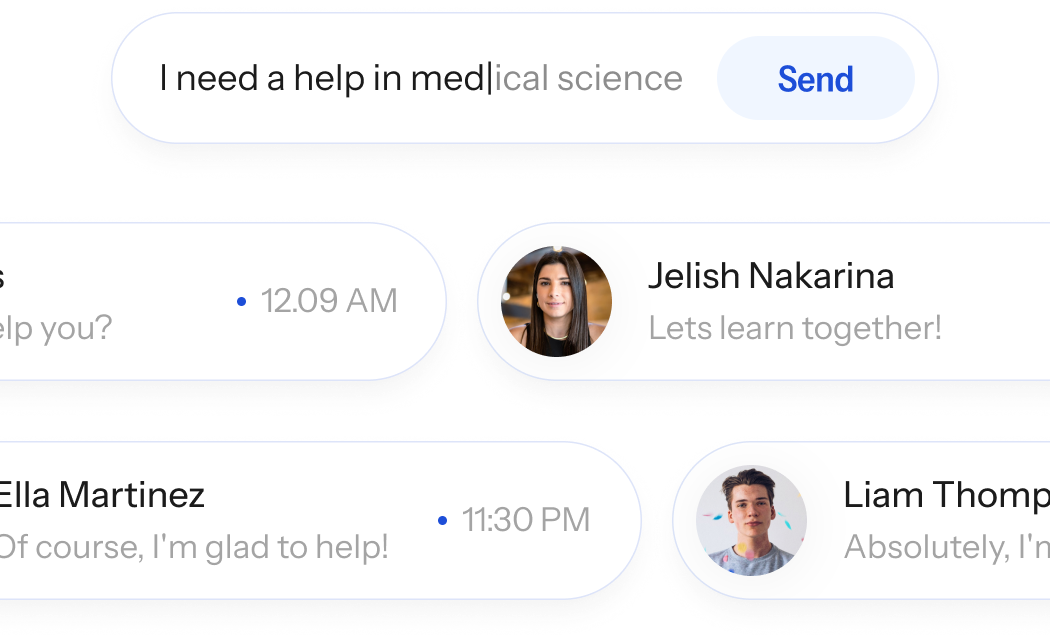
Most people only ever practise with one or two friends. Study Groups connect you with candidates right across the country sitting the same Medical Ophthalmology ST3 interview.
Live MocksBeta

Practise interview technique with different candidates
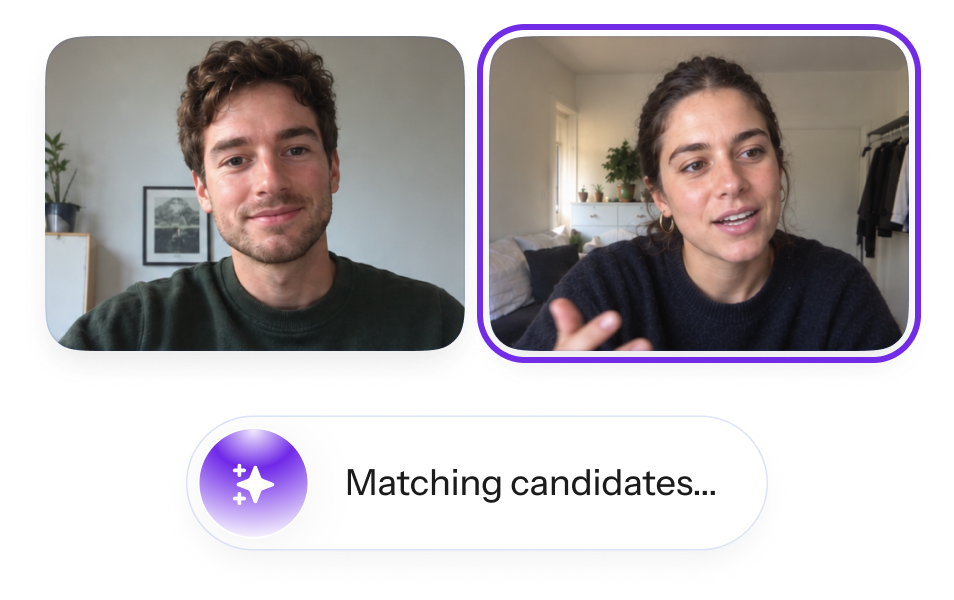
Arrange or get matched on demand with other candidates and run real scenarios out loud under interview conditions. Those who practise with the widest range of people tend to score the highest.
Peer FeedbackBeta

Reviewed by candidates across the platform
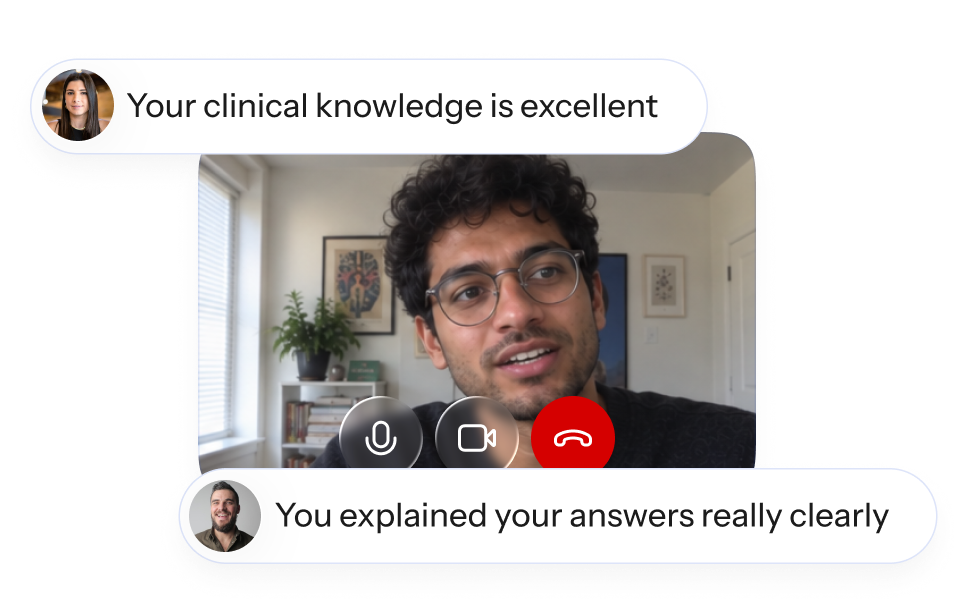
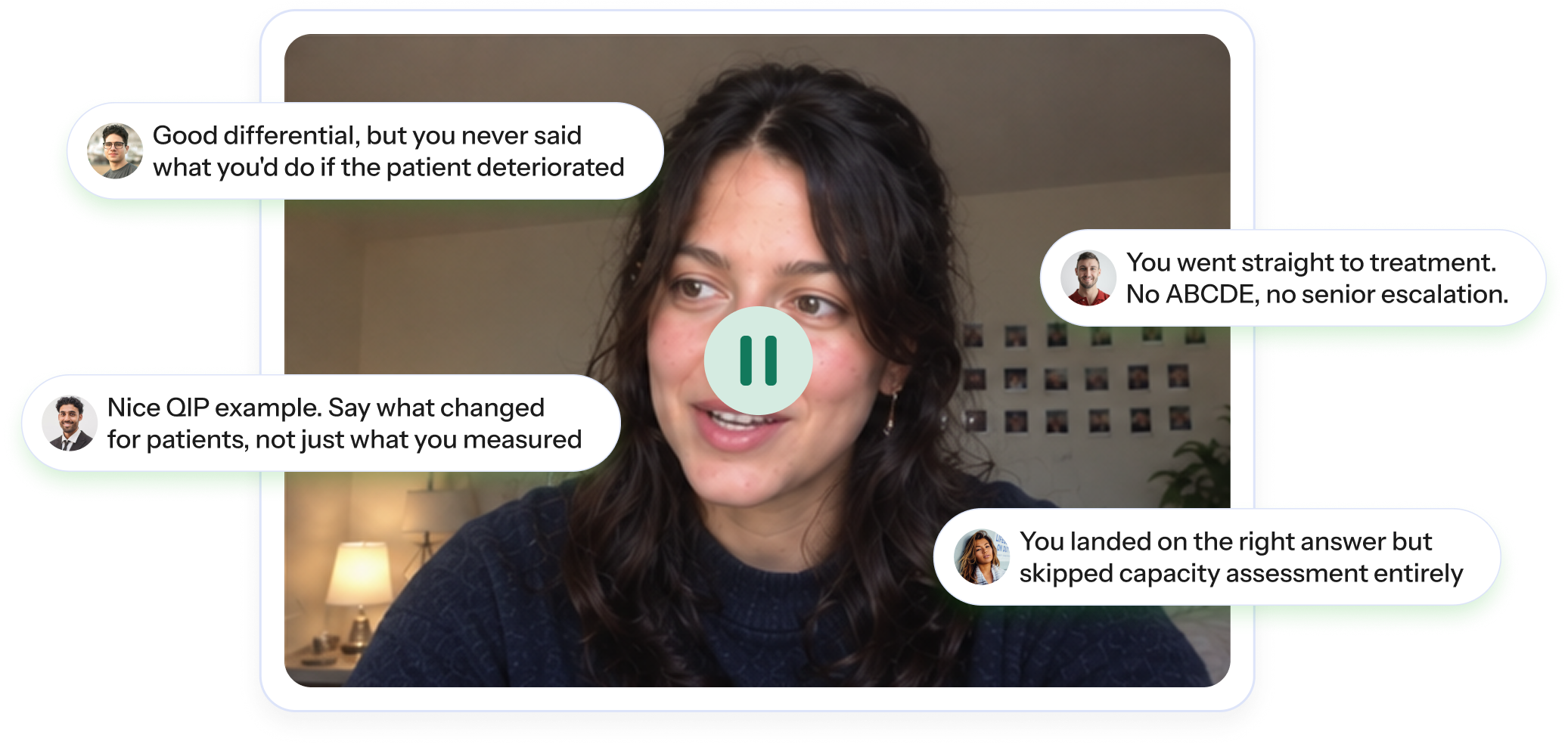
Submit your recorded mocks to candidates across the platform and get honest, varied feedback. Reviewing other people's mocks teaches you just as much.

The question bank, and other candidates to practise with, all in one platform.

Medical Ophthalmology ST3 Revision Platform • £144.99

Gain access to over 50 scenarios across both stations, and collaborate with other candidates through Study Groups, Live Mocks and Peer Feedback.
Get instant access
What candidates say

Scored well, secured their post

A few of the candidates who prepared with us for the Medical Ophthalmology ST3 interview.

Verified candidateInterviewed 2026
"The clinical scenarios were pitched exactly right. Having a structure ready meant I could work through a drug toxicity case calmly under pressure."
Secured first-choice deanery
Verified candidateInterviewed 2026
"Practising the ethics questions out loud with other candidates was the single most useful thing I did before the day."
Ranked highly
Part 1 • See the questions

The Medibuddy 2027 Medical Ophthalmology ST3 Question Bank

The interview has two stations with four scored questions and takes about 35 to 40 minutes, so you have a limited window to deliver the high-scoring answers you need to do well. That means every point has to land, and knowing how to structure each answer is essential. That's why each of our 50-plus scenarios comes with a model answer, written by candidates who scored highly in the 2026 Medical Ophthalmology ST3 interview, so you know exactly how to approach every question the interviewers throw your way.
What's inside

What's included in the Medical Ophthalmology ST3 Question Bank

There's nothing worse than getting to the interview and being handed a scenario you've never seen before. The panel can draw on clinical, ethics, professionalism, governance, and suitability themes across the two stations, so the safest approach is to revise across all of them. We provide scenarios for every part of the interview, including the common ones and the more unusual cases that have come up before, so you don't get caught out.

Clinical Scenarios

Medical ophthalmology cases, from drug toxicity to neuro-ophthalmology, where you play the registrar: assess, reason and manage safely, each with a worked answer showing how to structure your response.

Ethical, Professionalism and Governance

Realistic ethical, professional and governance issues, with structured model answers so you can reason through them clearly on the day.

Ethical Scenario

Ethical scenarios that require you to consider the moral, ethical and legal issues of a situation, with guidance on how to work through each part of the discussion.

Suitability & Commitment

Your chance to show your motivation for medical ophthalmology and why you're suited to ST3, with example questions and model answers.
Reflecting how medical ophthalmology is really assessed
Our scenarios and model answers are written to reflect the current interview structure, across the clinical, ethical, professionalism, governance and suitability themes.
Try it

Try an example Medical Ophthalmology ST3 question

You are the medical ophthalmology ST3 registrar running a drug toxicity monitoring clinic. Three referrals arrive today:

A 54-year-old woman with rheumatoid arthritis on hydroxychloroquine 400mg daily for six years.

A 67-year-old man started on ethambutol for pulmonary TB four weeks ago, reporting mild colour desaturation.

A 72-year-old man on long-term amiodarone for paroxysmal AF, with bilateral visual disturbance over several months.

How would you approach these?

Question
How would you assess the woman on hydroxychloroquine for retinal toxicity?
Example answer
HCQ retinopathy is a cumulative, dose-dependent toxicity causing irreversible parafoveal photoreceptor loss, so the aim is early detection before symptoms.
  • History: the duration and cumulative dose (key risks are more than 5mg/kg/day, over 5 years, or a high cumulative dose), symptoms such as a paracentral scotoma, renal function, and concurrent tamoxifen.
  • Examination: best-corrected visual acuity, slit-lamp, and dilated fundoscopy, though a bull's-eye maculopathy is a late sign and early disease can look normal.
  • Investigations: fundus autofluorescence and SD-OCT of the macula as the first-line pair, with a Humphrey 10-2 visual field, and multifocal ERG if the fields are equivocal.
Question
What are the recommended screening intervals, and what modifies them?
Example answer
Following the RCOphth guidance:
  • A baseline screen within the first year to document any pre-existing macular disease, then no routine screening for the first five years without extra risk factors.
  • Annual multimodal screening from year five onwards.
  • Annual screening from year one in high-risk patients: a dose above 5mg/kg, renal or hepatic impairment, concurrent tamoxifen, or pre-existing macular disease.
At six years she should already be in annual review, and I would check her dose against her real body weight. If toxicity is found, I would advise the rheumatologist to stop or switch, noting that it can progress for months after stopping.
Question
The man on ethambutol reports colour desaturation. How do you assess him, and how should screening be structured?
Example answer
Colour desaturation is a red flag for ethambutol optic neuropathy, which is potentially reversible if the drug is stopped promptly.
  • Assessment: the nature of the visual symptoms and any centrocaecal scotoma, his renal function and dose, and whether baseline acuity and colour vision were documented. Examine acuity, colour vision (Ishihara), pupils for an RAPD, and the discs, with a visual field, OCT of the nerve and visual evoked potentials.
  • Screening: a mandatory baseline of acuity and colour vision before treatment, with monthly monitoring during treatment and prompt ophthalmic review at the first symptom.
If optic neuropathy is suspected, I would contact the TB physician urgently to discuss stopping ethambutol and substituting an alternative.
Question
What ocular effects does amiodarone cause, and how do you tell benign from sight-threatening toxicity?
Example answer
Amiodarone causes several effects, and the key task is separating benign from sight-threatening.
  • Vortex keratopathy: whorl-like corneal deposits seen in most users, usually asymptomatic and not a reason to stop the drug.
  • Amiodarone optic neuropathy: the sight-threatening complication, with insidious, usually bilateral disc oedema and field loss.
  • The critical differential is non-arteritic ischaemic optic neuropathy, which is more common, typically unilateral and sudden, whereas amiodarone optic neuropathy is bilateral, slowly progressive and temporally linked to the drug.
  • I would assess acuity, colour vision and pupils, examine the cornea and discs, and use visual fields, OCT and visual evoked potentials, excluding giant cell arteritis with ESR and CRP.
Question
He has bilateral disc oedema and a field defect, and amiodarone optic neuropathy is suspected. What next, and what are the challenges?
Example answer
This needs urgent multidisciplinary decision-making.
  • Exclude giant cell arteritis urgently (ESR, CRP and temporal artery assessment, with empirical steroids if suspicion is high), and exclude other causes of bilateral disc oedema such as raised intracranial pressure or a compressive lesion with imaging.
  • Involve cardiology urgently: amiodarone has a very long half-life, so toxicity can progress even after stopping, and it cannot simply be stopped without risking dangerous arrhythmia.
  • Weigh the ocular risk against the cardiac risk as a shared decision; if it is the only effective antiarrhythmic he may continue with close monitoring, or an alternative rhythm strategy may allow it to be reduced.
  • No proven treatment reverses established damage, so management is harm-limitation with regular monitoring and clear documentation of the consent discussion.
Question
What are the key principles and governance of a drug toxicity monitoring service?
Example answer
A well-run service needs clear pathways, defined responsibility and robust governance.
  • Written, approved protocols for each drug based on current guidance, with named clinical leads and review dates.
  • Shared-care agreements with rheumatology, respiratory, cardiology and oncology, defining who screens, who interprets and who acts on abnormal results.
  • A failsafe recall system so patients overdue for screening are flagged automatically, with clear documentation to the prescriber and GP and written information for patients.
  • Audit against guideline standards, morbidity and mortality review of any late detection or preventable visual loss, and appropriately trained orthoptists or technicians with timely result review.

That's one scenario. There are over 50 more.

Medical Ophthalmology ST3 Revision Platform • £144.99

Includes every scenario in the Question Bank, and access to Study Groups, Live Mocks with other candidates and Peer Feedback.
Get instant access
Actively maintained

How we keep our Question Banks up to date

The Medical Ophthalmology ST3 interview changes from year to year, and the biggest fear for any candidate is getting to interview day and realising you've revised with a question bank that's totally outdated.

That's why we review and update every Question Bank twice a year, so you know you're revising with scenarios that are likely to come up. We do this in April after the previous year's interviews, and again in the autumn when the new recruitment guidance is published.

For 2027, this process kept the Question Bank aligned with the current two-station format, so you always practise with the format the panel is using now.
Updated for 2027 Interviews
Part 2 • Practise them live

The only interview resource where you can practise live with other candidates from across the country

Our Medical Ophthalmology ST3 Question Bank tells you exactly how to answer real interview scenarios. But how you practise with them will determine how many marks you score. Simply reading answers off a screen won't prepare you for the intense scrutiny you'll face in the interview. And only practising with the same few colleagues or friends limits the amount of feedback you'll get. Medibuddy gives you unique access to Medical Ophthalmology ST3 candidates across the country, so you can learn from a variety of perspectives and hear a far wider range of feedback than your own circle could ever give you.
Study Groups
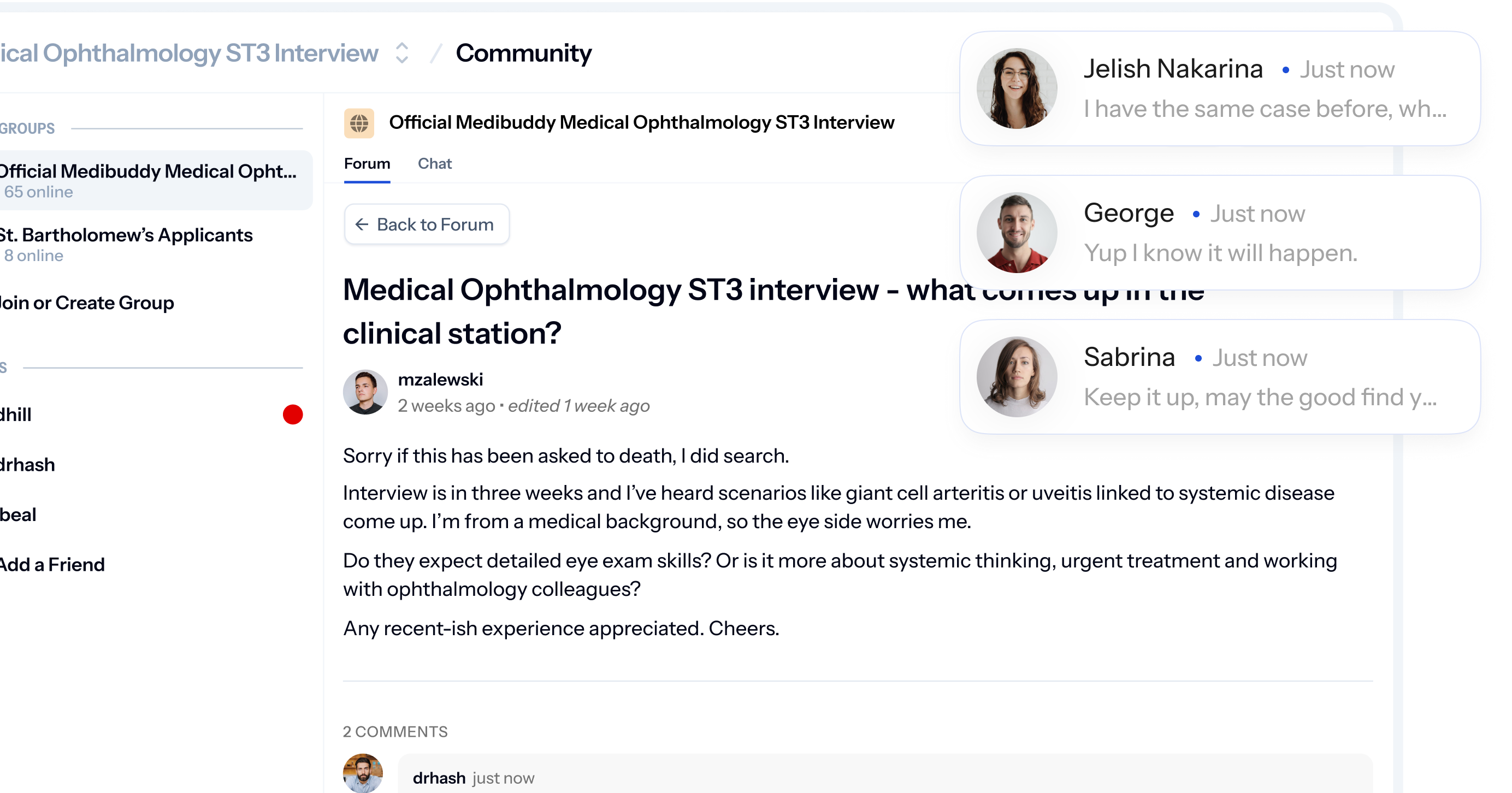
When you prepare in isolation, you're relying on your own interpretation of the interview process, which is one of the quickest ways to get found out on the day. Study Groups connect you with other doctors across the country who are also applying to Medical Ophthalmology ST3, so you can engage and network with people preparing for the same interview as you. Everyone brings different experience from different hospitals and deaneries, meaning you won't ever miss out on the key bits of information that could swing the interview in your favour.
Live MocksBeta
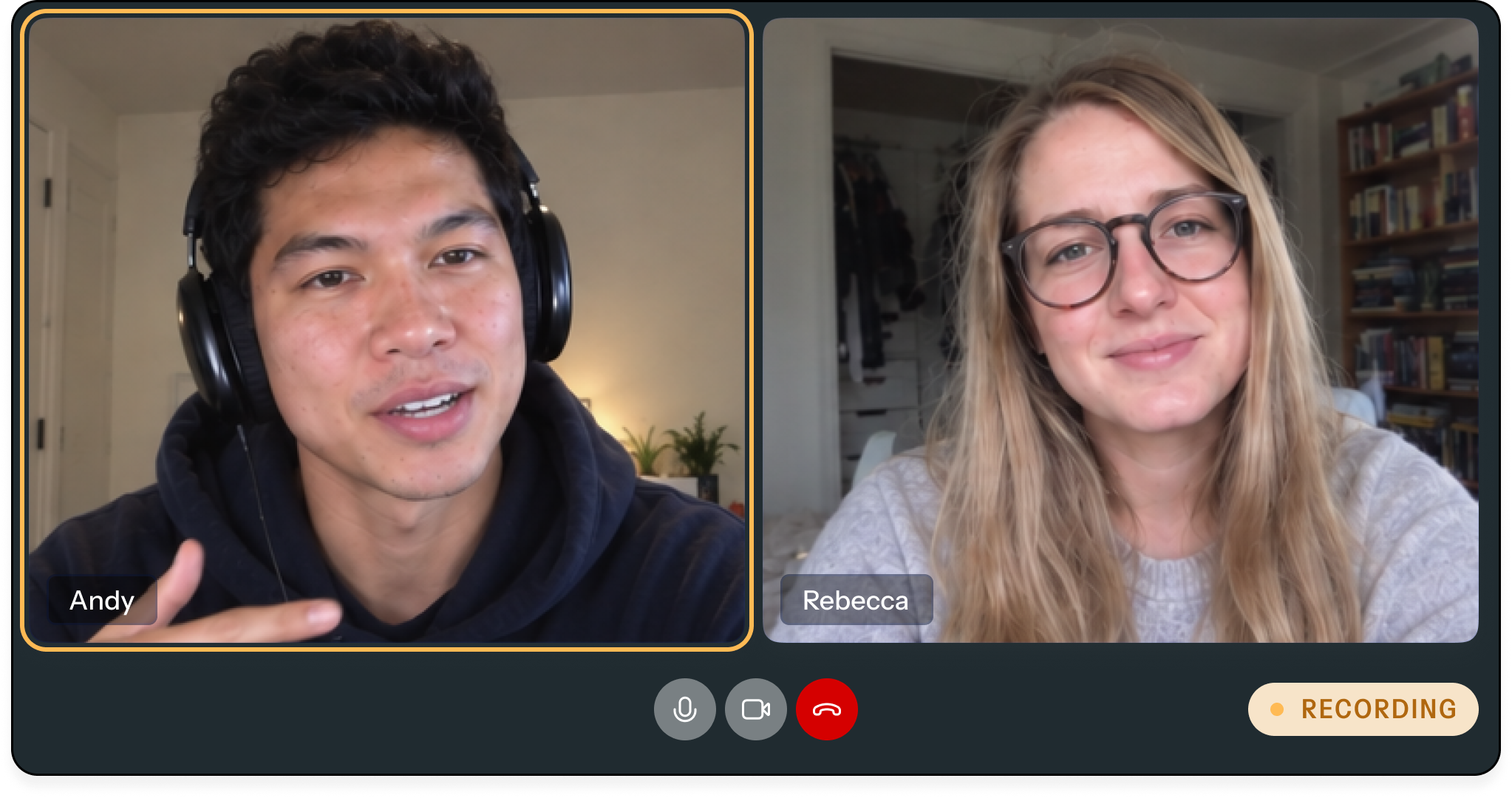
Candidates who don't take part in mocks often struggle to adapt to the pressure of the interview. Your knowledge might be correct, but without convincing delivery the interviewers will score you poorly. The best way to improve your delivery is to take part in as many live mocks as possible, which is why we haven't put a cap on how many you can do. We also know how difficult it can be to organise mocks with other people, so all you have to do is join the waiting room and we'll match you with a different Medical Ophthalmology ST3 candidate each time. Take turns as both the interviewer and candidate on real Question Bank scenarios, so you can see exactly how other candidates perform in real time, while refining your own interview technique.
Peer FeedbackBeta
Preparing alone means you won't know how you're coming across during the interview. And preparing with the same few candidates means you'll miss opportunities to improve, which is why it's so important to get as many opinions as possible on your performance. With Medibuddy, you can record a mock and submit it for feedback from other candidates on the platform, so you receive a wider range of feedback and refine your answers with each person you practise with. Reviewing other people's mocks is just as valuable, as it shows you how strong candidates handle the same scenarios, which is one of the fastest ways to improve.
The interview

What to expect from the Medical Ophthalmology ST3 interview

Medical ophthalmology is a small, competitive specialty, and strong applicants are often separated by narrow margins at interview.

Question

Clinical Scenarios

A medical ophthalmology scenario, assessing your clinical judgement and safe, structured management as the registrar.
Question

Ethics & Professionalism and Governance

This question will explore ethical, professionalism and governance issues, requiring you to explain your reasoning, refer to relevant guidance, and show how you would handle sensitive situations safely and professionally.
Question

Ethical Scenario

This scenario focuses on how you would respond to a situation's moral, ethical, and legal issues in a discussion-based format.
Question

Suitability & Commitment

You’ll be asked about your motivation for medical ophthalmology and why you’re suited to ST3. Go beyond listing achievements and show how your experience demonstrates your commitment.

How the interview is scored

The four questions are marked against the Medical Ophthalmology ST3 person specification and combined into a Raw Interview Score. Our model answers are structured against those criteria, so you know exactly what a strong, well-organised answer looks like at each station.
Get ready

How to prepare for the Medical Ophthalmology ST3 interview

Start with the Question Bank

Work through over 50 scenarios across both stations, each with a worked answer from a candidate who scored well in the 2026 interview. Start by reading how a strong answer is formed, then think about how you'd deliver it.

Talk the hard ones through in Study Groups

Study Groups are your biggest opportunity to network and connect with other candidates sitting the same interview as you. Everyone on the platform is in the same boat, so don't be scared to get involved and ask questions. Someone in your study group might just help you work through a scenario you've been struggling with.

Rehearse out loud in Live Mocks

Live mocks are where you begin to put everything you've learned into practice, and we know from experience that those who practise with a wide range of candidates usually do the best. Organise mocks with people from one of your study groups, or get matched with a random Medical Ophthalmology ST3 candidate, then take turns as interviewer and candidate using real scenarios until answering out loud under pressure feels normal.

Get reviewed with Peer Feedback before the day

Once you've recorded a mock, you can have other community members review it. This lets you see how you come across to other people, and gives you time to refine your delivery as you revise, rather than being caught out on the day. Reviewing other people's mocks is just as crucial, as you see how other candidates navigate the same scenarios.
Questions

Frequently asked questions

What does the Medical Ophthalmology ST3 interview involve?
Two stations with four scored questions, taking around 35 to 40 minutes in total, covering Clinical, Ethical, Professionalism and Governance, and Suitability and Commitment.
How competitive is the Medical Ophthalmology ST3 interview?
Medical ophthalmology is a small, competitive specialty, and strong candidates are frequently separated by small margins at interview, which is why a structured, well-rehearsed approach matters.
Who writes the model answers?
High-scoring candidates who sat the Medical Ophthalmology ST3 interview in 2026 and secured some of the most competitive jobs.
Can I practise with other candidates?
Yes. Every Revision Platform purchase gives you the opportunity to connect with other candidates through Study Groups, Live Mocks and Peer Feedback.
How do the Live Mocks work?
All you have to do is join the waiting room, and we match you with another Medical Ophthalmology ST3 candidate. You then take turns as interviewer and candidate on real Question Bank scenarios, so you gain experience answering out loud to a real person before you ever sit in front of the panel.
What are Study Groups and how do they help?
Study Groups are community forums for doctors across the country preparing for the same Medical Ophthalmology ST3 interview. You can ask questions, share what you're struggling with, and compare how you'd approach a scenario.
Can I get feedback on my interview performance?
Yes. After you've recorded a mock, you can ask other members to review it, so you can see which part of your answer needs fine-tuning.
How do you keep the Medical Ophthalmology ST3 Question Bank up to date?
We review and update it twice a year: in April after that year's interviews, and again in the autumn when the new recruitment guidance is published, so you always practise with the current two-station format.
How long do I get access for?
Access runs for 12 months from the purchase date.

Start preparing for the Medical Ophthalmology ST3 interview

The Revision Platform gives you over 50 scenarios to practise and refine with other candidates through Study Groups, Live Mocks and Peer Feedback.

Medical Ophthalmology ST3 Revision Platform • £144.99

Buy Now