Occupational Medicine ST3 Interview Questions 2026 | Medibuddy
Occupational Medicine ST3 • 2027 Interview

The 2027 Occupational Medicine ST3 Interview Revision Platform: Question Bank, Live Practice and Mocks with Other Candidates

The Medibuddy Occupational Medicine ST3 Question Bank includes over 25 scenarios that closely mirror the real interview, each with a model answer written/edited by high-scoring candidates who sat the Occupational Medicine ST3 interview in 2026.

However, knowing a strong answer isn't the same as delivering it well under pressure, which is why we provide:

10 years’ experience preparing doctors for interviews

Users of the Medibuddy Occupational Medicine ST3 Revision Platform have secured some of the most competitive training jobs in recent rounds. Ask around, there's a good chance the trainees in the year above you used us too.

Always up to date

Did you know the interviews change every year? That's why we review and update every Question Bank on the platform twice a year, so you know you're always practising with scenarios based on the latest interview structure.

Network and practise real interview scenarios with other candidates

Question Bank

See every scenario, and how to answer it well

Over 25 scenarios covering every area of the interview, which tell you exactly how to respond to each question.
Study Groups

Connect with candidates across the country
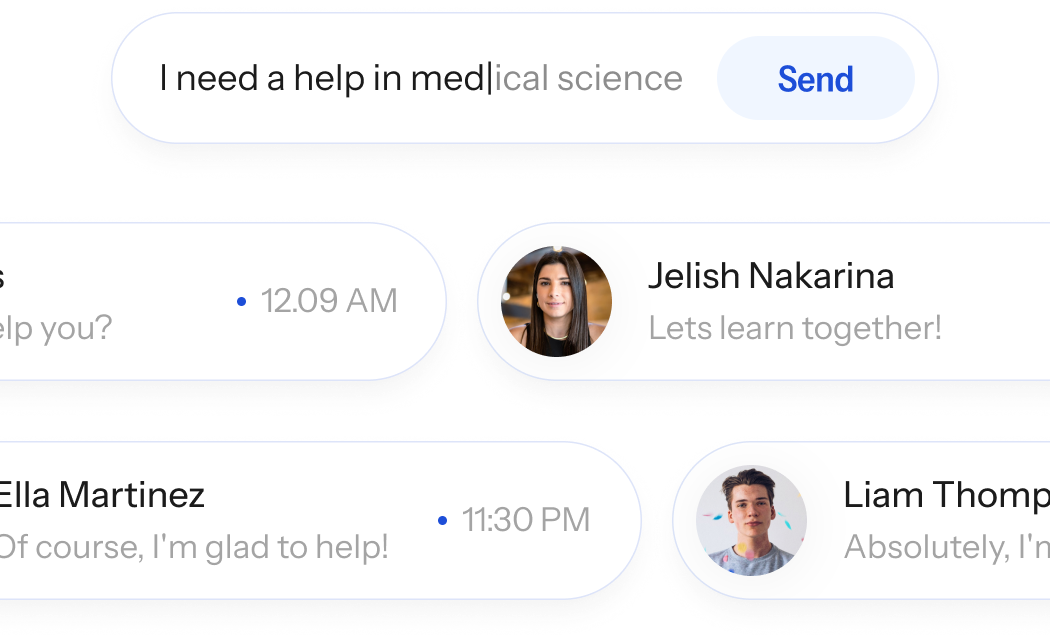
Most people only ever practise with one or two friends. Study Groups connect you with candidates right across the country sitting the same Occupational Medicine ST3 interview.
Live MocksBeta

Practise interview technique with different candidates
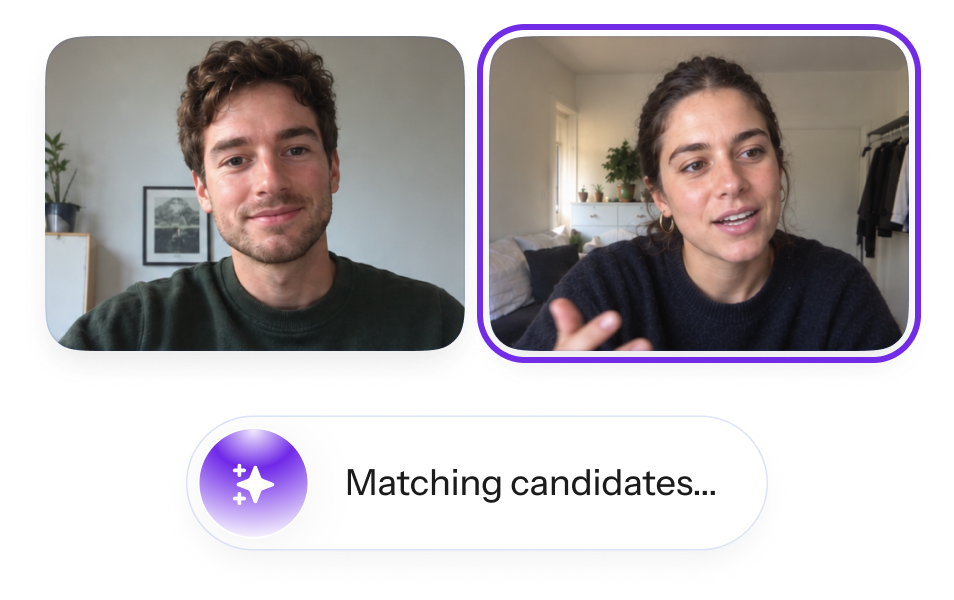
Arrange or get matched on demand with other candidates and run real scenarios out loud under interview conditions. Those who practise with the widest range of people tend to score the highest.
Peer FeedbackBeta

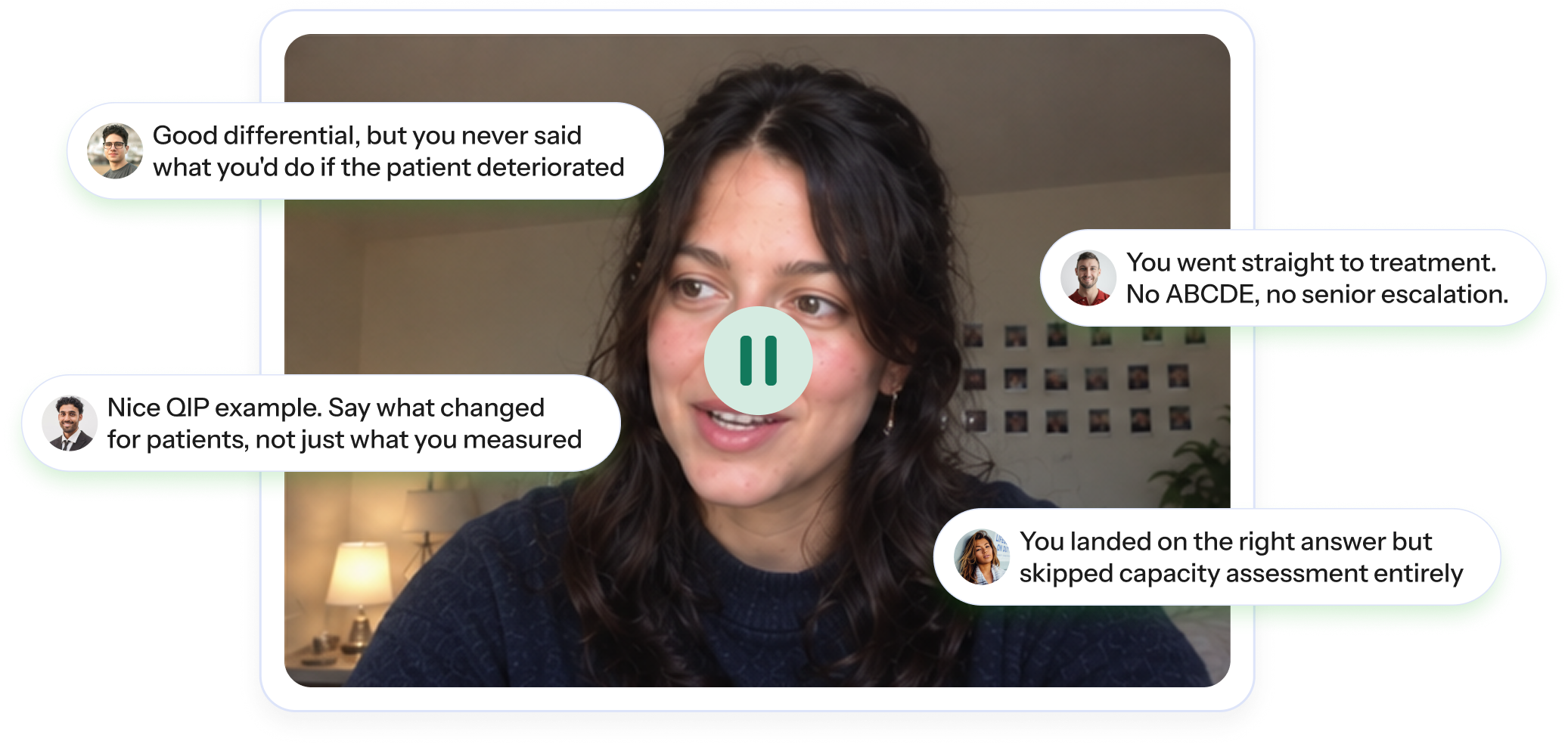
Reviewed by candidates across the platform
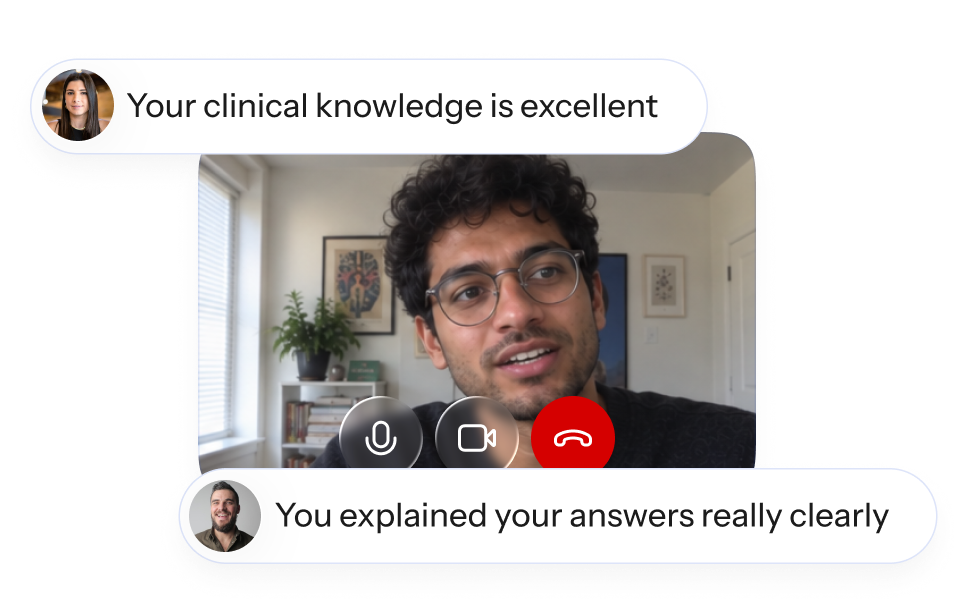
Submit your recorded mocks to candidates across the platform and get honest, varied feedback. Reviewing other people's mocks teaches you just as much.

The question bank, and other candidates to practise with, all in one platform.

Occupational Medicine ST3 Revision Platform • £144.99

Gain access to over 25 scenarios covering every area of the interview, and collaborate with other candidates through Study Groups, Live Mocks and Peer Feedback.
Get instant access
What candidates say

Scored well, secured their post

A few of the candidates who prepared with us for the Occupational Medicine ST3 interview.

Verified candidateInterviewed 2026
"The portfolio questions were pitched exactly right. Having a structure ready meant I could balance the duty to the worker and the employer clearly."
Secured first-choice deanery
Verified candidateInterviewed 2026
"Practising out loud with other candidates was the single most useful thing I did. The model answers showed me how much structure the panel is really looking for."
Ranked highly
Part 1 • See the questions

The Medibuddy 2027 Occupational Medicine ST3 Question Bank

The interview is scored by two panellists and lasts about 35 minutes, so you have a limited window to deliver the high-scoring answers you need to do well. That means every point has to land, and knowing how to structure each answer is essential. That's why each of our 25-plus scenarios comes with a model answer, written by candidates who scored highly in the 2026 Occupational Medicine ST3 interview, so you know exactly how to approach every question the interviewers throw your way.
What's inside

What's included in the Occupational Medicine ST3 Question Bank

There's nothing worse than getting to the interview and being handed a scenario you've never seen before. The interview is split into two subsections, so the safest approach is to revise for both. We provide scenarios for every part of the interview, including the common ones and the more unusual cases that have come up before, so you don't get caught out.

Portfolio

Explores evidence of your motivation, insight and readiness for Occupational Medicine, including specialty knowledge, achievements, skills, reflection, professional values and personal development.

Scenario

Covers common workplace-health situations, testing safe, practical decisions on fitness for work, exposures, mental health, disability, absence and safety-critical roles.
Reflecting how occupational medicine is really assessed
Our scenarios and model answers are built around the current interview structure.
Try it

Try an example Occupational Medicine ST3 question

You are the occupational medicine ST3 registrar. A 48-year-old groundskeeper at a large local authority is referred by his line manager after health surveillance. The occupational health nurse noted numbness and tingling in both hands, worse in the mornings, and blanching of the index and middle fingers of his right hand on cold exposure.

He has worked for the council for 22 years, using vibrating tools (ride-on mowers, strimmers and chainsaws) for an estimated 4 to 6 hours a day in the growing season. He smokes 15 a day and has no formal diagnosis. His employer is asking whether he is fit to continue using vibrating tools.

How would you approach this?

Question
How would you structure your consultation?
Example answer
This is a fitness-for-work assessment with a dual obligation: a clinical duty to the worker and an advisory duty to the employer. I would set out my role and the limits of confidentiality, then take a structured history and examination.
  • Exposure history: the tools used, daily and weekly trigger time, years of exposure, glove use and any time off vibrating tools.
  • Symptoms: characterise the vascular component (blanching, cold-provoked, warmth-relieved) and the sensorineural component (numbness, tingling, grip and dexterity), and screen for carpal tunnel syndrome.
  • Background: primary Raynaud's, connective tissue disease, diabetes or thyroid disease, vasospastic drugs, smoking, and any other vibrating tool exposure.
  • Examination: the hands at rest and after cold, neurological testing (two-point discrimination, vibration perception, grip strength) and vascular assessment, excluding carpal tunnel and cervical causes.
Question
What is the Stockholm Workshop Scale, and how would you classify him?
Example answer
It is the standard staging system for HAVS, with two independent components: vascular (SV0 to SV4) and sensorineural (SN0 to SN3).
  • His blanching of the index and middle fingers involving at least the distal and middle phalanges is consistent with at least Stage 2 vascular (SV2).
  • His bilateral morning numbness and tingling with reduced sensation is consistent with at least Stage 2 sensorineural (SN2).
  • Full, precise staging requires formal neurophysiological and provocation testing.
Staging drives both the fitness-for-work advice and any compensation or medicolegal assessment.
Question
What investigations would you arrange, and why?
Example answer
To confirm and stage HAVS, exclude other causes, and set a baseline.
  • Vascular: finger systolic blood pressure before and after a standardised cold challenge, with thermography or laser Doppler in specialist centres.
  • Sensorineural: vibrotactile or current perception threshold testing, and formal nerve conduction studies if carpal tunnel or neuropathy needs excluding.
  • General: FBC, inflammatory markers, thyroid function, glucose and autoantibodies to exclude secondary Raynaud's, neuropathy or connective tissue disease.
  • Occupational hygiene: a quantified vibration exposure assessment (daily exposure, A(8)) from the employer, against the Control of Vibration at Work Regulations 2005.
Question
What are the employer's duties under the Control of Vibration at Work Regulations 2005, and have they been met?
Example answer
The Regulations place clear duties on employers for hand-arm vibration.
  • A risk assessment, action at or above the exposure action value of 2.5 m/s2 A(8), and never exceeding the exposure limit value of 5 m/s2.
  • Health surveillance for those regularly exposed at or above the action value, and information, instruction and training so workers report symptoms early.
  • Elimination or substitution with lower-vibration tools where reasonably practicable.
For this worker, 4 to 6 hours a day with chainsaws and strimmers almost certainly exceeds the action value and may exceed the limit value. Symptomatic disease after 22 years, only picked up at surveillance rather than self-reported, suggests inadequate control and possible gaps in training, so the employer is likely in breach.
Question
What is your fitness-for-work opinion, and how would you communicate it?
Example answer
He is not fit to continue unrestricted use of high-vibration tools at current exposure levels, and should be removed from exposure above the action value pending full investigation and staging, as continued exposure risks irreversible progression.
  • Validate the impact on his job, and explain his symptoms are consistent with a recognised occupational disease.
  • Make clear the restriction is to prevent permanent deterioration, not to end his employment, and discuss alternative, non-vibrating duties.
  • Strongly recommend smoking cessation, as nicotine worsens vascular HAVS, and advise keeping his hands warm.
  • Provide written information and arrange follow-up once results are back.
Question
What would your employer report and medicolegal considerations be, and could he ever return to vibrating tools?
Example answer
Report and medicolegal:
  • Confirm you have assessed him and he has symptoms consistent with a vibration-related condition, recommend interim redeployment, and request a quantified exposure assessment, using functional terms rather than diagnostic labels without his written consent. He can see the report first under the Access to Medical Reports Act.
  • HAVS is a prescribed disease (A11) for Industrial Injuries benefit, is RIDDOR-reportable once you notify the employer in writing, and may lead to a civil claim, so keep clear, contemporaneous records.
Return to tools, once SV2/SN2 is confirmed: possible only under strict conditions: exposure reduced well below the action value, tool substitution and job rotation, symptom stability over 3 to 6 months, no deterioration on repeat testing, and smoking cessation. Annual health surveillance is mandatory, and progression to SV3 or SN3 or above would warrant permanent exclusion.

That's one scenario. There are over 25 more.

Occupational Medicine ST3 Revision Platform • £144.99

Includes every scenario in the Question Bank, and access to Study Groups, Live Mocks with other candidates and Peer Feedback.
Get instant access
Actively maintained

How we keep our Question Banks up to date

The Occupational Medicine ST3 interview changes from year to year, and the biggest fear for any candidate is getting to interview day and realising you've revised with a question bank that's totally outdated.

That's why we review and update every Question Bank twice a year, so you know you're revising with scenarios that are likely to come up. We do this in April after the previous year's interviews, and again in the autumn when the new recruitment guidance is published.

For 2027, this process kept the Question Bank aligned with the current single-panel interview format, so you always practise with the format the panel is using now.
Updated for 2027 Interviews
Part 2 • Practise them live

The only interview resource where you can practise live with other candidates from across the country

Our Occupational Medicine ST3 Question Bank tells you exactly how to answer real interview scenarios. But how you practise with them will determine how many marks you score. Simply reading answers off a screen won't prepare you for the intense scrutiny you'll face in the interview. And only practising with the same few colleagues or friends limits the amount of feedback you'll get. Medibuddy gives you unique access to Occupational Medicine ST3 candidates across the country, so you can learn from a variety of perspectives and hear a far wider range of feedback than your own circle could ever give you.
Study Groups
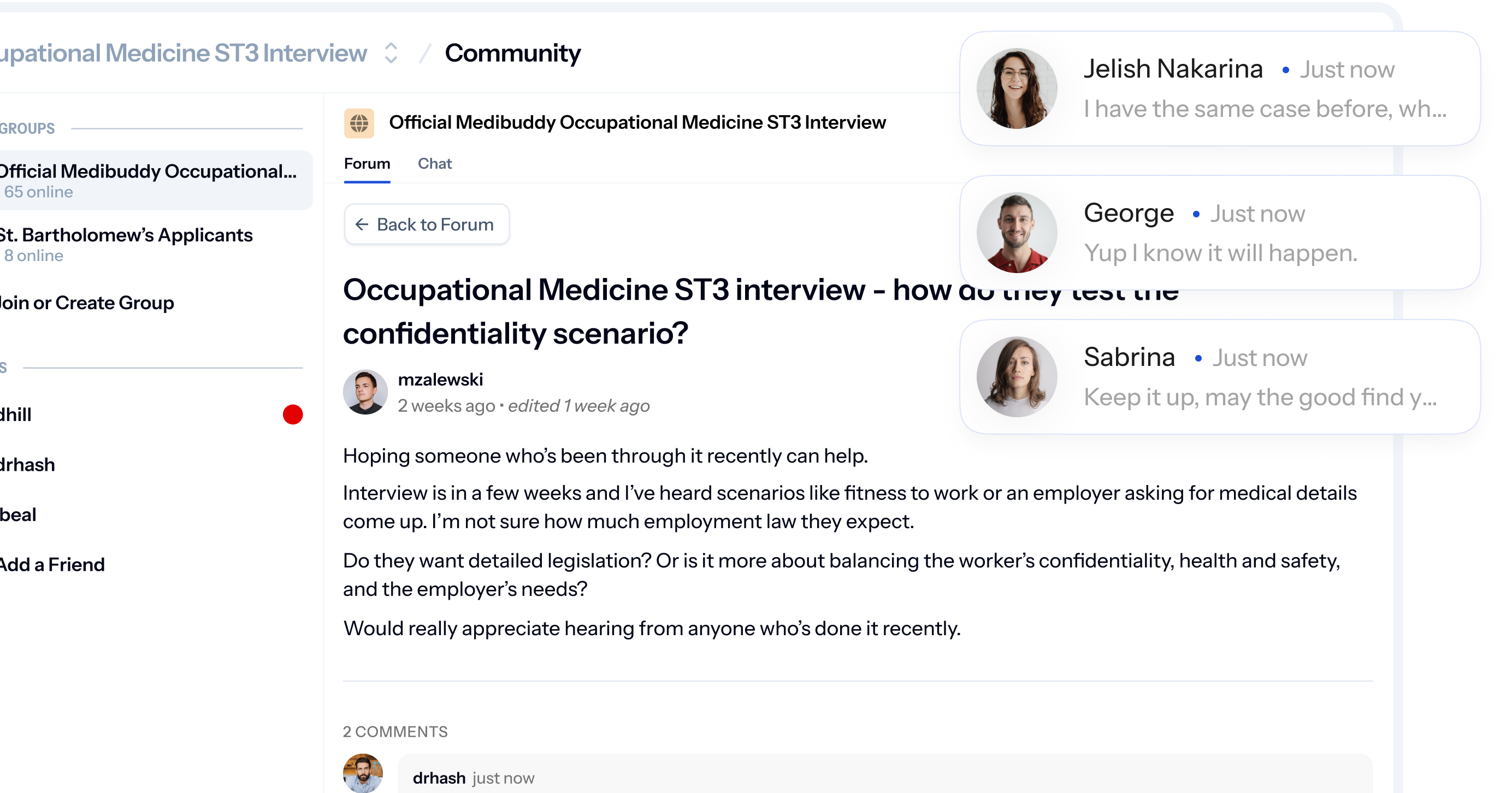
When you prepare in isolation, you're relying on your own interpretation of the interview process, which is one of the quickest ways to get found out on the day. Study Groups connect you with other doctors across the country who are also applying to Occupational Medicine ST3, so you can engage and network with people preparing for the same interview as you. Everyone brings different experience from different hospitals and deaneries, meaning you won't ever miss out on the key bits of information that could swing the interview in your favour.
Live MocksBeta
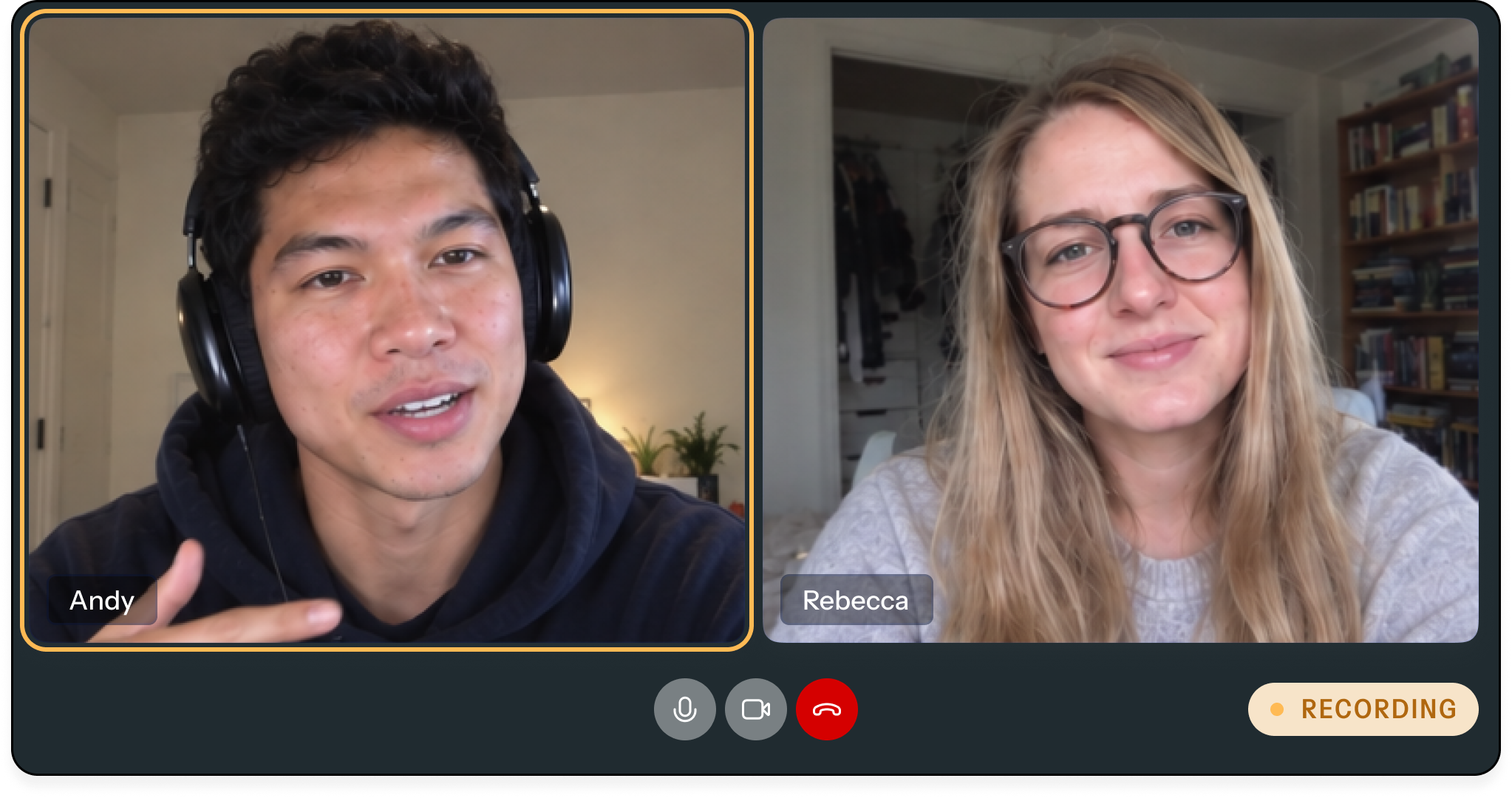
Candidates who don't take part in mocks often struggle to adapt to the pressure of the interview. Your knowledge might be correct, but without convincing delivery the interviewers will score you poorly. The best way to improve your delivery is to take part in as many live mocks as possible, which is why we haven't put a cap on how many you can do. We also know how difficult it can be to organise mocks with other people, so all you have to do is join the waiting room and we'll match you with a different Occupational Medicine ST3 candidate each time. Take turns as both the interviewer and candidate on real Question Bank scenarios, so you can see exactly how other candidates perform in real time, while refining your own interview technique.
Peer FeedbackBeta
Preparing alone means you won't know how you're coming across during the interview. And preparing with the same few candidates means you'll miss opportunities to improve, which is why it's so important to get as many opinions as possible on your performance. With Medibuddy, you can record a mock and submit it for feedback from other candidates on the platform, so you receive a wider range of feedback and refine your answers with each person you practise with. Reviewing other people's mocks is just as valuable, as it shows you how strong candidates handle the same scenarios, which is one of the fastest ways to improve.
The interview

What to expect from the Occupational Medicine ST3 interview

Occupational medicine is a competitive specialty, recruited nationally with portfolio-based shortlisting before interview.

Focus

Portfolio

Expect questions about your motivation, relevant experience and transferable skills. Be ready to explain what you did, learned and why it supports Occupational Medicine.
Focus

Scenario

Expect workplace-health scenarios requiring balanced, structured decisions. Discuss safety, fitness for work, adjustments, confidentiality, equality, legislation and when you would seek advice.
 

How the interview is scored

The panel marks against the Occupational Medicine ST3 person specification, exploring the responses in your application. Our model answers are structured against those criteria, so you know exactly what a strong, well-organised answer looks like.
Get ready

How to prepare for the Occupational Medicine ST3 interview

Start with the Question Bank

Work through over 25 scenarios covering every area of the interview, each with a worked answer from a candidate who scored well in the 2026 interview. Start by reading how a strong answer is formed, then think about how you'd deliver it.

Talk the hard ones through in Study Groups

Study Groups are your biggest opportunity to network and connect with other candidates sitting the same interview as you. Everyone on the platform is in the same boat, so don't be scared to get involved and ask questions. Someone in your study group might just help you work through a scenario you've been struggling with.

Rehearse out loud in Live Mocks

Live mocks are where you begin to put everything you've learned into practice, and we know from experience that those who practise with a wide range of candidates usually do the best. Organise mocks with people from one of your study groups, or get matched with a random Occupational Medicine ST3 candidate, then take turns as interviewer and candidate using real scenarios until answering out loud under pressure feels normal.

Get reviewed with Peer Feedback before the day

Once you've recorded a mock, you can have other community members review it. This lets you see how you come across to other people, and gives you time to refine your delivery as you revise, rather than being caught out on the day. Reviewing other people's mocks is just as crucial, as you see how other candidates navigate the same scenarios.
Questions

Frequently asked questions

What does the Occupational Medicine ST3 interview involve?
A single online interview panel, usually with two panellists, exploring the responses in your application.
How competitive is the Occupational Medicine ST3 interview?
Occupational medicine is a competitive specialty, and strong candidates are frequently separated by small margins at interview, which is why a structured, well-rehearsed approach matters.
Who writes the model answers?
High-scoring candidates who sat the Occupational Medicine ST3 interview in 2026, so the answers reflect what came up and what scored this year.
Can I practise with other candidates?
Yes. Every Revision Platform purchase gives you the opportunity to connect with other candidates through Study Groups, Live Mocks and Peer Feedback.
How do the Live Mocks work?
All you have to do is join the waiting room, and we match you with another Occupational Medicine ST3 candidate. You then take turns as interviewer and candidate on real Question Bank scenarios, so you gain experience answering out loud to a real person before you ever sit in front of the panel.
What are Study Groups and how do they help?
Study Groups are community forums for doctors across the country preparing for the same Occupational Medicine ST3 interview. You can ask questions, share what you're struggling with, and compare how you'd approach a scenario.
Can I get feedback on my interview performance?
Yes. After you've recorded a mock, you can ask other members to review it, so you can see which part of your answer needs fine-tuning.
How do you keep the Occupational Medicine ST3 Question Bank up to date?
We review and update it twice a year: in April after that year's interviews, and again in the autumn when the new recruitment guidance is published, so you always practise with the current format.
How long do I get access for?
Access runs for 12 months from the purchase date.

Start preparing for the Occupational Medicine ST3 interview

The Revision Platform gives you over 25 scenarios to practise and refine with other candidates through Study Groups, Live Mocks and Peer Feedback.

Occupational Medicine ST3 Revision Platform • £144.99

Buy Now