The 2027 Audiovestibular Medicine ST3 Interview Revision Platform: Question Bank, Live Practice and Mocks with Other Candidates
The Medibuddy Audiovestibular Medicine ST3 Question Bank includes over 50 scenarios that closely mirror the real interview, each with a model answer written and edited by high-scoring candidates who sat the Audiovestibular Medicine ST3 interview in 2026.
However, knowing a strong answer isn't the same as delivering it well under pressure, which is why we provide:
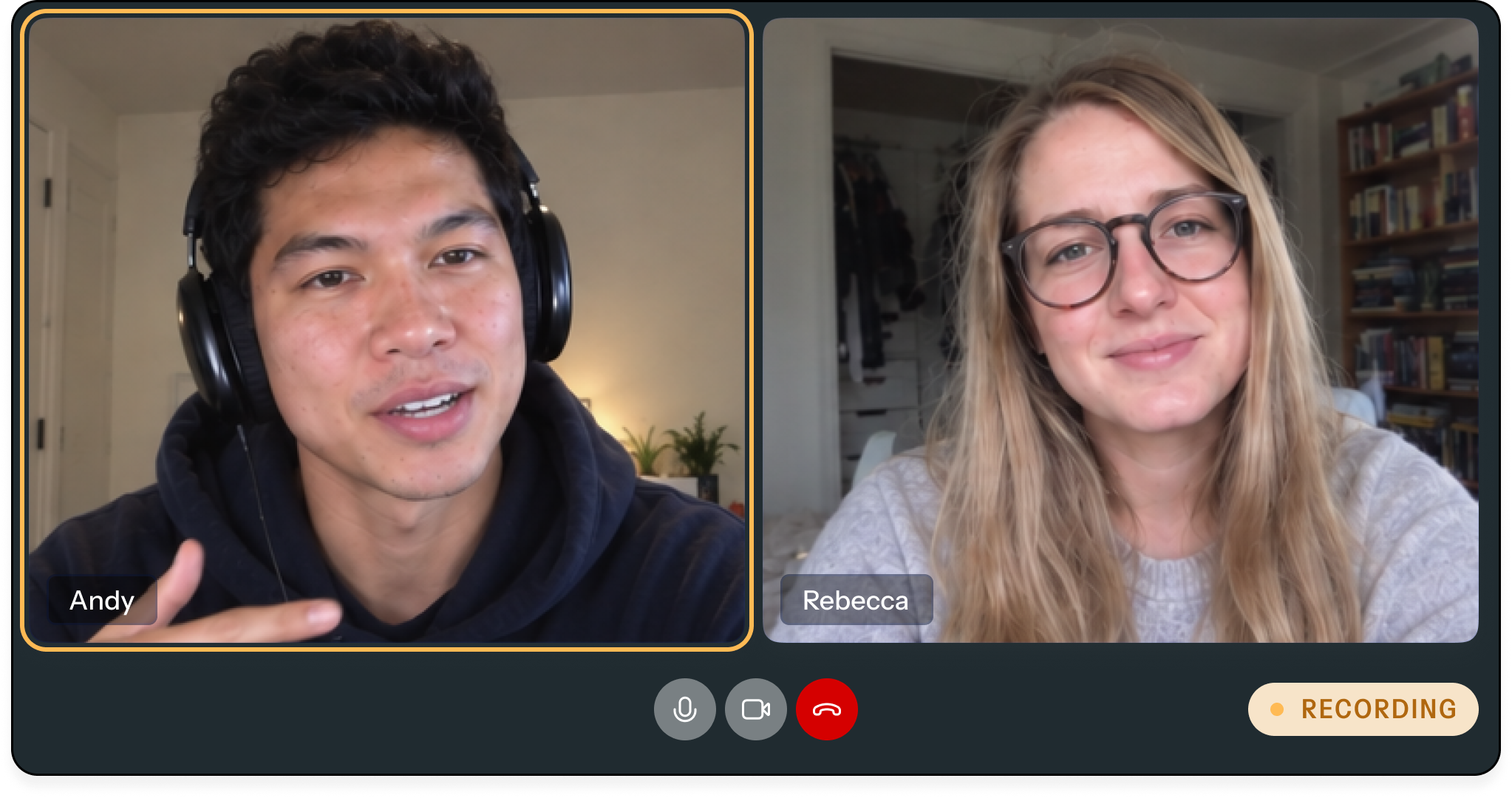
Study Groups with candidates across the country
Unlimited Live Mocks with real people
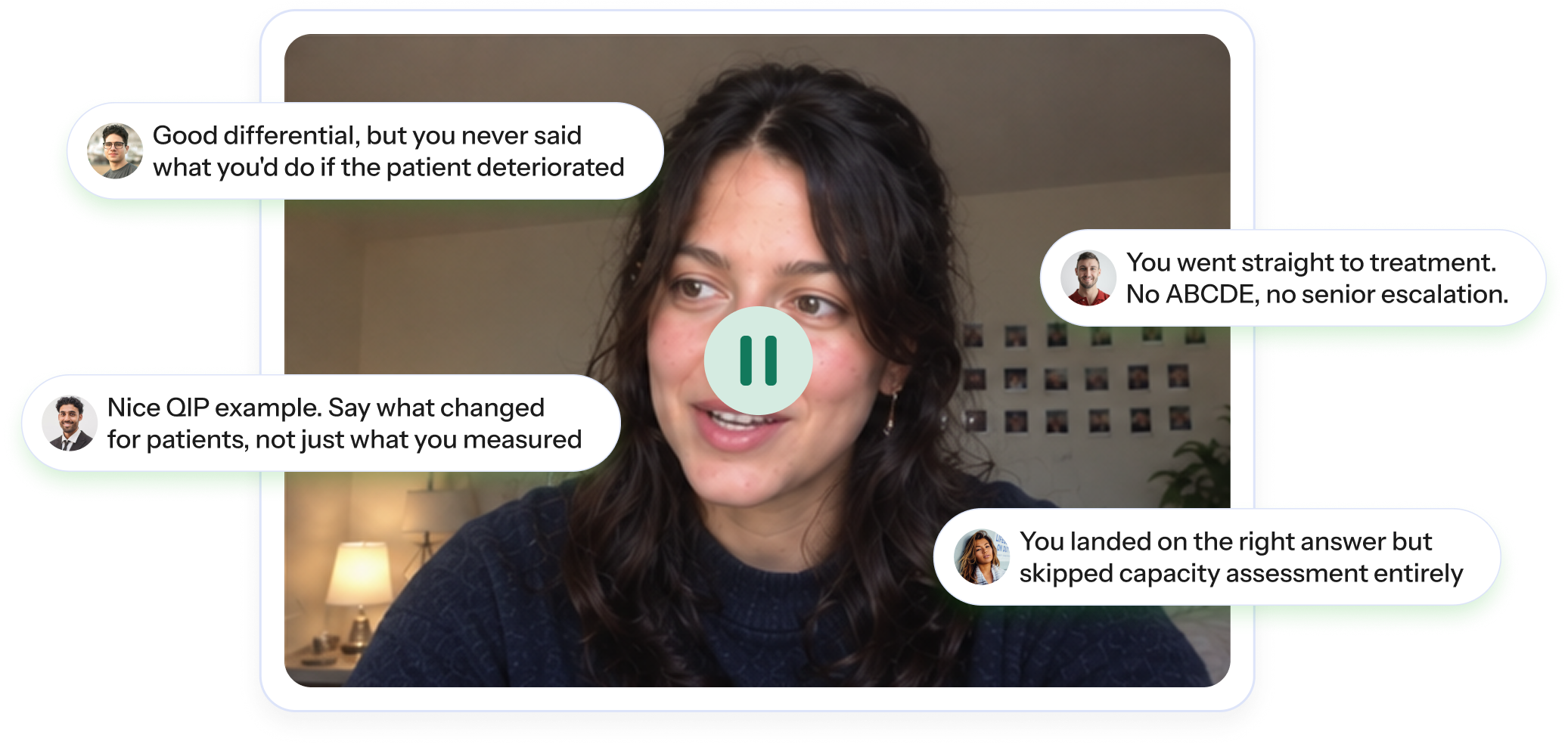
Peer Feedback on your mocks from a wide range of candidates
10 years' experience preparing doctors for interviews
Users of the Medibuddy Audiovestibular Medicine ST3 Revision Platform have secured some of the most sought-after training posts in recent rounds. In a specialty this small, that track record counts, and there's a good chance the trainee ahead of you prepared with us too.
Always up to date
Did you know the interviews change every year? That's why we review and update every Question Bank on the platform twice a year, so you know you're always practising with scenarios based on the latest interview structure.
Network and practise real interview scenarios with other candidates
Question Bank
See every scenario, and how to answer it well
Over 50 scenarios across both stations, covering the clinical, ethics and suitability questions, each showing you exactly how to build a strong answer.
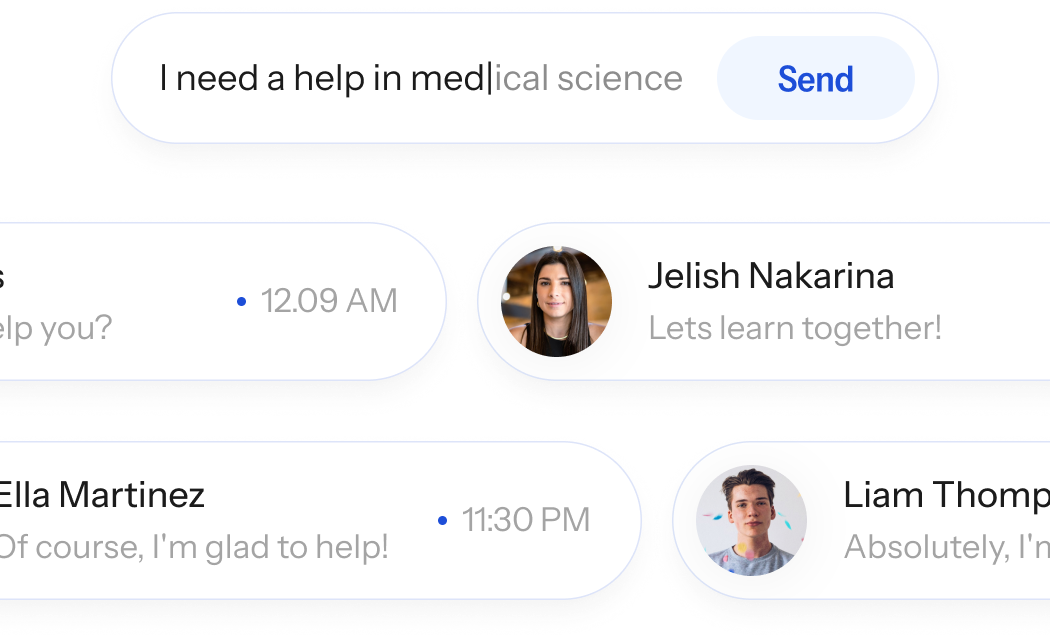
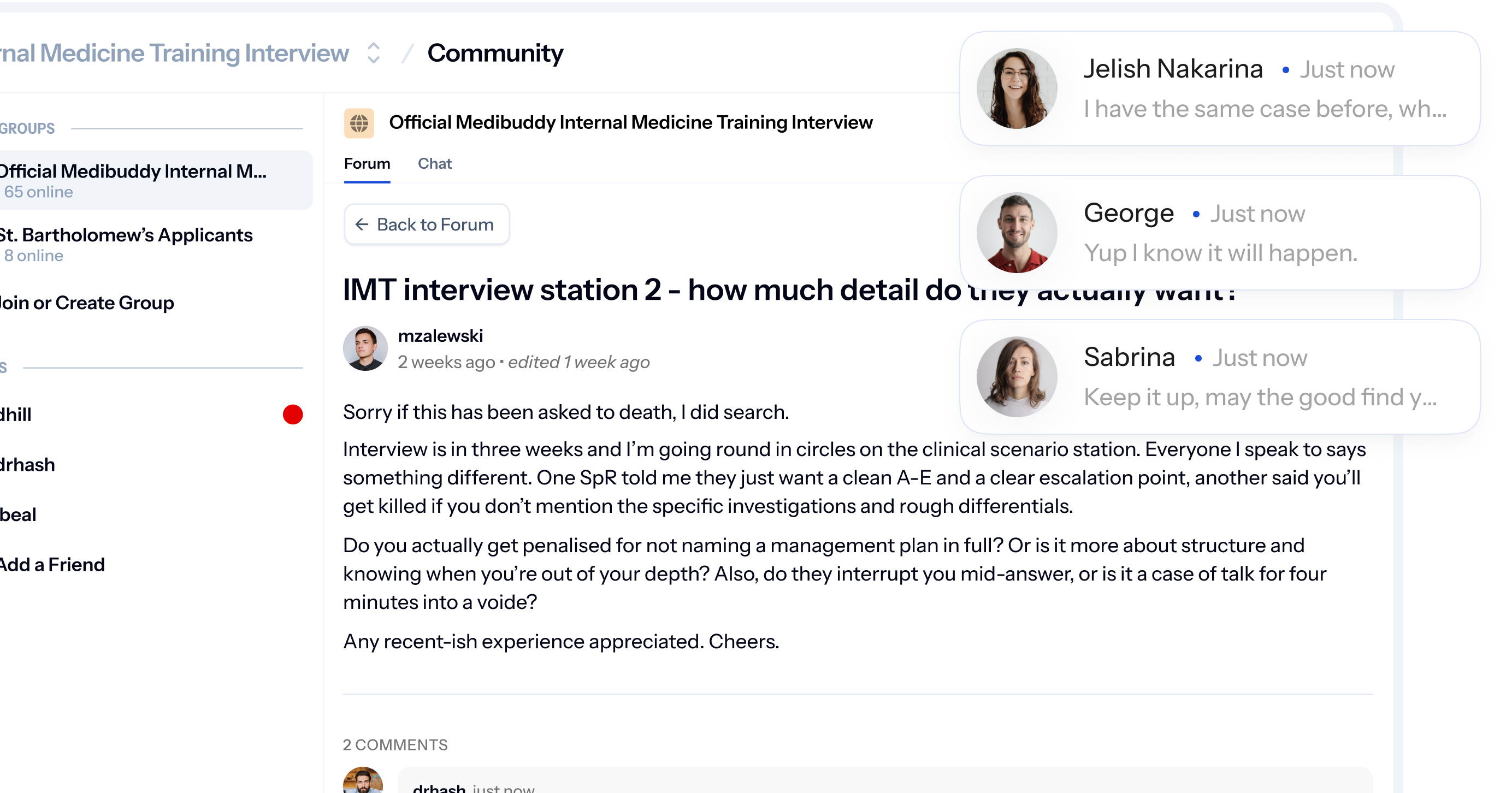
Study Groups
Connect with candidates across the country
Audiovestibular medicine is one of the smallest specialties, so you may have no one else preparing locally at all. Study Groups connect you with candidates right across the country sitting the same interview.
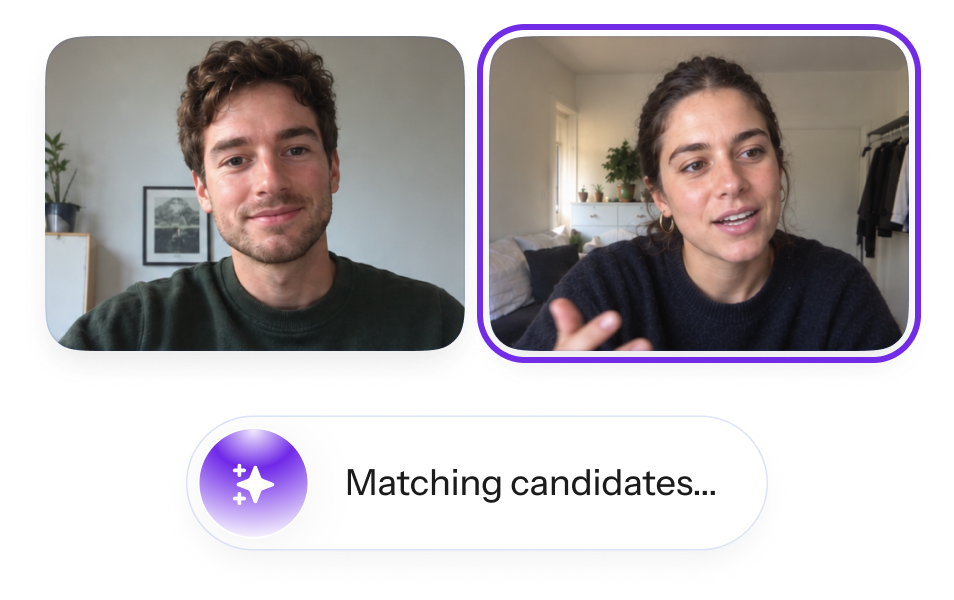
Live MocksBeta
Practise interview technique with different candidates
Arrange or get matched on demand with other candidates and run real scenarios out loud under interview conditions. Those who practise with the widest range of people tend to score the highest.
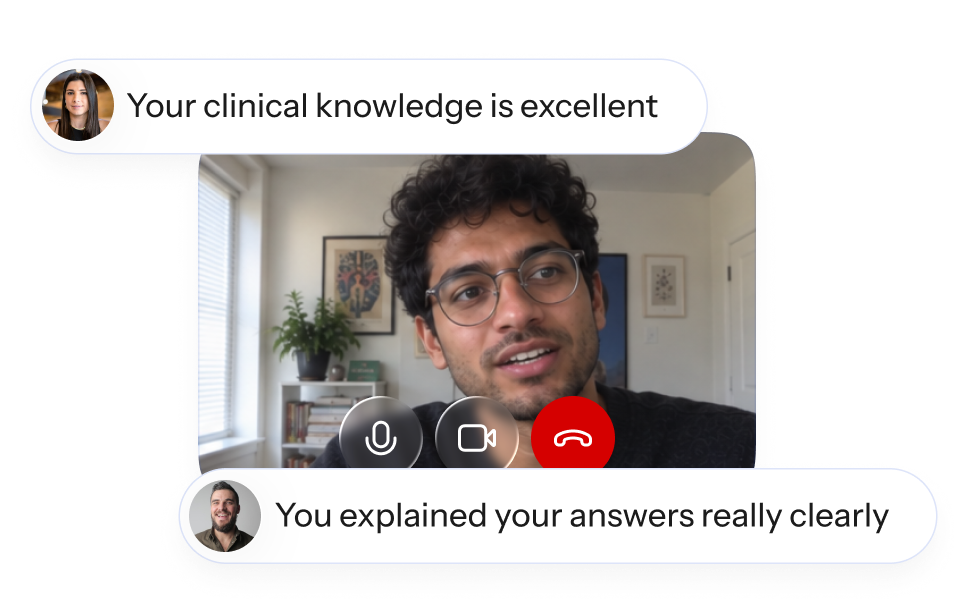
Peer FeedbackBeta
Reviewed by candidates across the platform
Submit your recorded mocks to candidates across the platform and get honest, varied feedback. Reviewing other people's mocks teaches you just as much.
The question bank, and other candidates to practise with, all in one platform.
Audiovestibular Medicine ST3 Revision Platform • £149.99
Gain access to over 50 scenarios across both stations, and collaborate with other candidates through Study Groups, Live Mocks and Peer Feedback.
A few of the candidates who prepared with us for the Audiovestibular Medicine ST3 interview.
Verified candidateInterviewed 2026
"The clinical scenarios were pitched exactly right, from BPPV and Meniere's to the red flags for central pathology. Having a structure ready meant I could think out loud calmly instead of freezing."
Secured first-choice post
Verified candidateInterviewed 2026
"I hadn't realised there were two separate ethics questions until I worked through the bank. Practising both, out loud with other candidates, was the single most useful thing I did."
Ranked highly
Part 1 • See the questions
The Medibuddy 2027 Audiovestibular Medicine ST3 Question Bank
The interview is two stations of around 20 minutes each, roughly 50 minutes in total, and each part is tightly timed, so you have a limited window to deliver the high-scoring answers you need to do well. That means every point has to land, and knowing how to structure each answer is essential. That's why each of our 50-plus scenarios comes with a model answer, written by candidates who scored highly in the 2026 Audiovestibular Medicine ST3 interview, so you know exactly how to approach every question the panel puts to you.
What's inside
What's included in the Audiovestibular Medicine ST3 Question Bank
There's nothing worse than getting to the interview and being handed a scenario you've never seen before. This interview is unusual in having two separate ethics questions, one raised verbally and one you read beforehand, alongside the clinical scenario and the suitability questions, so the safest approach is to revise across all of them. We provide scenarios for every part of the interview, including the common cases and the more unusual ones that have come up before, so you don't get caught out.
Clinical Scenarios
Audiovestibular cases where you play the registrar, from BPPV, Meniere's and vestibular migraine to hearing loss, ototoxicity and the red flags for central pathology. You receive the scenario to review beforehand, so these also train how you use that reading time, and communication is scored here too.
Ethics, Professionalism & Governance
The unseen question raised verbally by the panel. Realistic dilemmas on capacity, consent, confidentiality and Good Medical Practice, with structured model answers so you can reason through them clearly on the day.
The Ethical Scenario
The second, text-based ethical station you read beforehand, focused on the moral, ethical and legal issues rather than the clinical ones. Worked answers show you how to structure a balanced, defensible response.
Suitability & Commitment
Your chance to show your motivation for audiovestibular medicine and why you're suited to ST3, with example questions and model answers.
Built around how AVM is really assessed
Communication is scored inside the clinical station, and there are two distinct ethics questions rather than one. The bank is organised around exactly that structure, so nothing on the day is a surprise.
Try it
Try an example Audiovestibular Medicine ST3 question
You are the Audiovestibular Medicine ST3 registrar seeing a 52-year-old woman in the urgent clinic, referred by her GP after she woke that morning with complete loss of hearing in her right ear, with a sensation of fullness and high-pitched tinnitus.
She has no history of ear disease, recent upper respiratory tract infection or head trauma, takes no regular medications and has no known drug allergies. Pure tone audiometry arranged by her GP shows a right-sided sensorineural hearing loss of 65 dB averaged across 0.5 to 4 kHz, with a normal left ear.
How would you approach her?
Question
How would you assess this patient?
Example answer
This is consistent with sudden sensorineural hearing loss, defined as a drop of 30 dB or more across three adjacent frequencies within 72 hours. My priority is to confirm the diagnosis, exclude serious underlying pathology, and start treatment promptly.
History: the exact time and speed of onset, and associated aural fullness, tinnitus, vertigo or otalgia. I would ask about recent viral illness, barotrauma or acoustic trauma, ototoxic drugs, and any neurological symptoms such as facial weakness, diplopia or headache that point to a retrocochlear or central cause.
Past ear history and conditions such as Meniere's, autoimmune disease or syphilis, cardiovascular risk factors for a vascular cause, and family history.
Examination: otoscopy to exclude a middle ear effusion, cholesteatoma or acute otitis media; tuning fork tests, where I would expect Weber to lateralise to the better left ear and Rinne to be positive bilaterally, confirming a sensorineural pattern.
A cranial nerve examination focused on the facial nerve and cerebellopontine angle, a cerebellar and Romberg or Unterberger assessment, and blood pressure with auscultation for carotid bruits.
Question
What investigations would you arrange?
Example answer
Investigations confirm the sensorineural loss, quantify it, and look for a secondary cause.
Audiological: a full pure tone audiogram with air and bone conduction, tympanometry (type A expected, whereas type B suggests an effusion that can mimic SSNHL), acoustic reflexes, speech discrimination, and otoacoustic emissions, which are absent on the affected side.
Bloods: FBC, ESR and CRP, U&E, LFTs and glucose, lipids, and syphilis serology as a treatable cause, adding an autoimmune screen and thyroid function if the loss is bilateral or recurrent.
Imaging: MRI of the internal auditory meati with gadolinium is mandatory to exclude a vestibular schwannoma and other retrocochlear pathology, arranged within two weeks, or sooner if there are neurological signs.
Question
How would you manage this patient acutely?
Example answer
SSNHL is an otological emergency, and treatment should start promptly, since the greatest benefit is within 24 to 72 hours of onset and outcomes worsen with delay.
Oral corticosteroids are first-line: prednisolone 1 mg/kg/day, up to 60 mg, for 10 to 14 days, then a short taper. I would screen for contraindications such as poorly controlled diabetes or peptic ulcer disease, prescribe gastroprotection, and counsel on side effects like insomnia, mood change and raised blood sugar.
Intratympanic dexamethasone is used as primary therapy when oral steroids are contraindicated, or as salvage for an inadequate response, giving a higher inner ear drug concentration with fewer systemic effects.
Supportive measures: safety advice around vertigo and driving, avoiding noise exposure, referral to audiology for hearing and tinnitus support, and clear safety-netting to return if symptoms worsen or neurological symptoms develop.
Question
At her two-week review her hearing has improved by only 15 dB, leaving a 50 dB loss, and she has finished the oral steroids. What would you do next?
Example answer
A 15 dB improvement is only a partial response, and a residual 50 dB loss is significant, so I would offer salvage intratympanic steroids.
Salvage intratympanic dexamethasone is supported by trial and meta-analytic data after failed oral treatment, and guidelines endorse it up to around four to six weeks from onset.
I would explain the procedure plainly: done under the microscope in clinic, with the eardrum anaesthetised topically, then she lies with the treated ear uppermost for 20 to 30 minutes to let the drug diffuse through the round window, over a course of three to four injections in two weeks.
I would repeat the audiogram four weeks later, counsel that roughly half to two-thirds of patients recover partially or fully, and make sure the MRI is booked. If there is no further improvement, I would discuss hearing rehabilitation such as a CROS or bone-anchored aid.
Question
The MRI shows a 6 mm intracanalicular vestibular schwannoma. How would you communicate this and coordinate further management?
Example answer
The schwannoma explains her hearing loss and changes the pathway, and the disclosure needs a structured, sensitive approach.
Communication: I would bring her back for a dedicated face-to-face appointment, offer to have a relative present, and use clear language: the scan has found a small, benign growth on the hearing nerve called a vestibular schwannoma. I would acknowledge the impact, answer her questions, give written information, and reassure her that most small schwannomas are watched rather than operated on.
Management: refer to the regional skull base MDT. For a small intracanalicular tumour the options are active surveillance with serial MRI, which is usually first-line, stereotactic radiosurgery if it grows, or microsurgery for larger or growing tumours.
I would continue her hearing rehabilitation regardless, arrange clear follow-up and safety-netting, and write to her GP with a full summary.
That's one scenario. There are over 50 more.
Audiovestibular Medicine ST3 Revision Platform • £149.99
Includes every scenario in the Question Bank, and access to Study Groups, Live Mocks with other candidates and Peer Feedback.
The Audiovestibular Medicine ST3 interview changes from year to year, and the biggest fear for any candidate is getting to interview day and realising you've revised with a question bank that's totally outdated.
That's why we review and update every Question Bank twice a year, so you know you're revising with scenarios that are likely to come up. We do this in April after the previous year's interviews, and again in the autumn when the new recruitment guidance is published.
For 2027, this process kept the Question Bank aligned with the current two-station format, across the clinical scenario, both ethics questions and the suitability questions, so you always practise with the format the panel is using now.
Updated for 2027 Interviews
Part 2 • Practise them live
The only interview resource where you can practise live with other candidates from across the country
Our Audiovestibular Medicine ST3 Question Bank tells you exactly how to answer real interview scenarios. But how you practise with them will determine how many marks you score. Simply reading answers off a screen won't prepare you for the intense scrutiny you'll face in the interview. And in a specialty this small, you may not know anyone else applying, which makes finding people to practise with genuinely hard. Medibuddy gives you unique access to Audiovestibular Medicine ST3 candidates across the country, so you can learn from a variety of perspectives and hear a far wider range of feedback than your own circle could ever give you.
Study Groups
When you prepare in isolation, you're relying on your own interpretation of the interview process, which is one of the quickest ways to get found out on the day. Study Groups connect you with other doctors across the country who are also applying to Audiovestibular Medicine ST3, so you can engage and network with people preparing for the same interview as you. Everyone brings different experience from different hospitals and deaneries, meaning you won't ever miss out on the key bits of information that could swing the interview in your favour.
Live MocksBeta
Candidates who don't take part in mocks often struggle to adapt to the pressure of the interview. Your knowledge might be correct, but without convincing delivery the interviewers will score you poorly. The best way to improve your delivery is to take part in as many live mocks as possible, which is why we haven't put a cap on how many you can do. We also know how difficult it can be to organise mocks with other people, so all you have to do is join the waiting room and we'll match you with a different Audiovestibular Medicine ST3 candidate each time. Take turns as both the interviewer and candidate on real Question Bank scenarios, so you can see exactly how other candidates perform in real time, while refining your own interview technique.
Peer FeedbackBeta
Preparing alone means you won't know how you're coming across during the interview. And preparing with the same few candidates means you'll miss opportunities to improve, which is why it's so important to get as many opinions as possible on your performance. With Medibuddy, you can record a mock and submit it for feedback from other candidates on the platform, so you receive a wider range of feedback and refine your answers with each person you practise with. Reviewing other people's mocks is just as valuable, as it shows you how strong candidates handle the same scenarios, which is one of the fastest ways to improve.
The interview
What to expect from the Audiovestibular Medicine ST3 interview
Audiovestibular medicine is one of the smallest physician specialties, with only a handful of national training posts each year, so places are keenly contested and strong applicants are often separated by only a few marks at interview.
The interview is two stations of around 20 minutes each, roughly 50 minutes in total, and is delivered online. It covers four questions across the two stations, and unlike most physician higher-training interviews there is no separate medical registrar or acute medicine section, and no presentation.
Station 1
Clinical Scenario
A short audiovestibular scenario, given to you beforehand to review, then discussed with the panel. They assess your clinical judgement and safe, structured management as the registrar, and your communication is scored within this station.
Station 1
Ethics, Professionalism & Governance
A hypothetical situation raised verbally by the panel, with no advance sight of it. Explain your reasoning, refer to Good Medical Practice and relevant law, and show how you would handle it safely and professionally.
Station 2
Ethical Scenario
A separate, text-based ethical scenario you review beforehand, focused on the moral, ethical and legal issues rather than the clinical ones. Work through it in a balanced, defensible way.
Station 2
Suitability & Commitment
Questions on your motivation for audiovestibular medicine and why you're suited to ST3. Go beyond listing achievements and show how your experience demonstrates your commitment.
How the interview is scored
There are five scored areas: the four questions, plus communication, which is marked within the clinical scenario. Each is scored from 1 to 5 by two interviewers, against the Audiovestibular Medicine ST3 person specification, and the interview carries 80 of the 100 marks, with your application form making up the other 20. Our model answers are structured against those criteria, so you know exactly what a strong, well-organised answer looks like.
Get ready
How to prepare for the Audiovestibular Medicine ST3 interview
Start with the Question Bank
Work through over 50 scenarios across both stations, each with a worked answer from a candidate who scored well in the 2026 interview. Start by reading how a strong answer is formed, then think about how you'd deliver it, and make sure you cover both ethics questions, not just one.
Talk the hard ones through in Study Groups
Study Groups are your biggest opportunity to network and connect with other candidates sitting the same interview as you, which matters all the more in a specialty where you may not know anyone else applying. Everyone on the platform is in the same boat, so don't be scared to get involved and ask questions. Someone in your study group might just help you work through a scenario you've been struggling with.
Rehearse out loud in Live Mocks
Live mocks are where you begin to put everything you've learned into practice, and we know from experience that those who practise with a wide range of candidates usually do the best. Organise mocks with people from one of your study groups, or get matched with a random Audiovestibular Medicine ST3 candidate, then take turns as interviewer and candidate using real scenarios until answering out loud under pressure feels normal.
Get reviewed with Peer Feedback before the day
Once you've recorded a mock, you can have other community members review it. This lets you see how you come across to other people, and gives you time to refine your delivery as you revise, rather than being caught out on the day. Reviewing other people's mocks is just as crucial, as you see how other candidates navigate the same scenarios.
Questions
Frequently asked questions
What does the Audiovestibular Medicine ST3 interview involve?
Two stations of around 20 minutes each, roughly 50 minutes in total, delivered online. Station 1 is a clinical scenario, with communication scored alongside it, followed by an ethics, professionalism and governance question raised verbally. Station 2 is a separate text-based ethical scenario, followed by suitability and commitment. There is no presentation and no separate medical registrar assessment.
Why are there two ethics questions?
The format deliberately tests ethics twice: one hypothetical raised verbally with no advance sight of it in Station 1, and a separate text-based ethical scenario you read beforehand in Station 2. The bank includes worked answers for both, so you can prepare for each on its own terms.
How competitive is the Audiovestibular Medicine ST3 interview?
Audiovestibular medicine is one of the smallest physician specialties, with only a handful of posts nationally, so competition is tight and strong candidates are frequently separated by small margins at interview.
I'm coming from an ENT, paediatrics or GP background. Is this bank right for me?
Yes. Audiovestibular medicine recruits eligible applicants from a range of backgrounds, and everyone sits the same interview. The scenarios and model answers are written around that shared interview, whatever route you are applying from.
Who writes the model answers?
High-scoring candidates who sat the Audiovestibular Medicine ST3 interview in 2026, so the answers reflect what came up and what scored this year.
Can I practise with other candidates?
Yes. Every Revision Platform purchase gives you the opportunity to connect with other candidates through Study Groups, Live Mocks and Peer Feedback.
How do the Live Mocks work?
All you have to do is join the waiting room, and we match you with another Audiovestibular Medicine ST3 candidate. You then take turns as interviewer and candidate on real Question Bank scenarios, so you gain experience answering out loud to a real person before you ever sit in front of the panel.
What are Study Groups and how do they help?
Study Groups are community forums for doctors across the country preparing for the same Audiovestibular Medicine ST3 interview. You can ask questions, share what you're struggling with, and compare how you'd approach a scenario.
How do you keep the Audiovestibular Medicine ST3 Question Bank up to date?
We review and update it twice a year: in April after that year's interviews, and again in the autumn when the new recruitment guidance is published, so you always practise with the current two-station format.
How long do I get access for?
Access runs for 12 months from the purchase date.
Start preparing for the Audiovestibular Medicine ST3 interview
The Revision Platform gives you over 50 scenarios to practise and refine with other candidates through Study Groups, Live Mocks and Peer Feedback. Ten years preparing doctors for interviews, with the questions, this year's model answers and live practice, all in one place.
Audiovestibular Medicine ST3 Revision Platform • £149.99



 Close
Close