


 Close
Close
 6th July 2023
Herpes Simplex Virus (HSV)
A very common and contagious blistering viral infection. There are two types of HSV:
- HSV-1: usually causes oral and facial infection. Now also the most common cause of genital herpes in the UK.
- HSV-2: Most likely to cause recurrent anogenital disease. Previously the most common cause of anogenital herpes in the UK.
Both variants can affect any area of skin or mucosal membrane, and any age. Transmission is via direct or indirect contact with an individual actively shedding the virus (this may be asymptomatic). The incubation period is 2-12 days. After primary infection, the latent non-replicating HSV resides dormant in the dorsal root ganglion, where it can reactivate. Reactivation can be triggered by excessive UV exposure, illness, stress and immunosuppression.
HSV causes irregular vesicular eruptions on an erythematous base, commonly affecting the lips, mouth, fingers (herpetic whitlow) and anogenital area. Vesicles on mucous membranes quickly develop into painful erosions. Eruptions may be preceded by a few hours by a tingling or burning sensation, fever, malaise and local lymphadenopathy. Eruptions heal within 7-14 days.
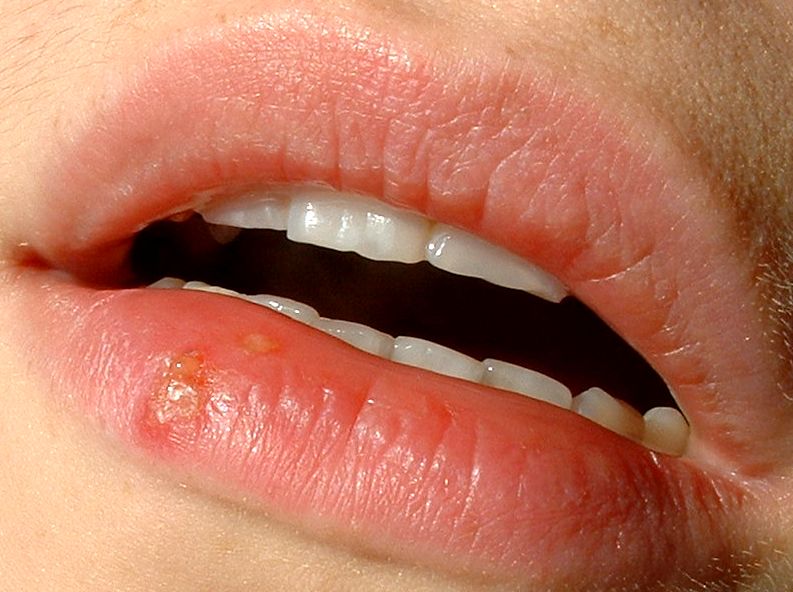
Herpes labialis
Image Source: Wikimedia Commons (2005). Herpes labialis, Licensed under a creative commons licence. Available for free at: https://commons.wikimedia.org/wiki/File:Herpes_labialis.jpg (Accessed on: 10 March 2022).

Diagnosis is usually clinical and can be confirmed on a viral PCR swab. Oral HSV infection can be considered for oral antivirals (e.g. aciclovir or valaciclovir). Patients with anogenital HSV infection should be referred to GUM and managed with 5/7 of oral antiviral within 5 days of the start of an episode or while new lesions are still forming. Suppressive antiviral treatment should be considered in patients having 6 or more attacks a year.
Complete Guide to Clinical Genetics ST3 Application and Recruitment (2027)
Written by Medibuddy. Last updated: October 2026. Clinical Genetics is

Complete Guide to Clinical Radiology ST3 Application and Recruitment (2027)
Recruitment paused: NHS England is not running Clinical Radiology ST3+ recru

Complete Guide to Paediatric Surgery ST3 Application and Recruitment in United Kingdom (2026)
Written by Medibuddy. Last updated: October 2026. If you’re planning


Take your subscriptions with you
Our mobile app allows you to access your interview and exam question banks wherever you are.

