


 Close
Close
 19th January 2024
Presentation
Reactive arthritis generally develops around 2-4 weeks after an infection; however, in 10% of patients, no symptomatic infection is identified. The onset is usually acute, and systemic features such as fever, weight loss and fatigue may be present.
- Classic triad: urethritis, conjunctivitis, arthritis = Reiter’s syndrome.
- Peripheral arthritis:
- Usually asymmetrical
- Predominantly affects large joints in the lower limbs
- Usually oligoarticular – affects less than 6 joints
- Tends to present as tender, swollen, stiff joints, usually in the morning
- Axial arthritis:
- Sacroiliitis and inflammation in the lumbosacral spine occurs commonly
- May present as lower back pain and stiffness, particularly in the morning and after periods of inactivity – symptoms are generally alleviated with exercise
- Enthesitis
- Achilles tendonitis, which presents as heel pain and plantar fasciitis can occur
- Dactylitis
- Skin manifestations:
- Erythema nodosum (palpable, tender, erythematous subcutaneous nodules)
- Circinate balanitis (painless ulcers and plaque-like lesions on the shaft or glans of the penis)
- Keratoderma blennorrhagicum (vesicles which can develop into plaque-like or pustular lesions, most commonly on the palms and soles of the feet)
- Dystrophic nail changes
- Mucous membrane involvement:
- Mouth ulcers – usually superficial and painless
- Genital ulcers
- Cystitis
- Prostatitis
- Ocular manifestations:
- Conjunctivitis – can present with eye erythema, tearing and purulent discharge
- Anterior uveitis (iritis) – associated with HLA B27 positivity. Can present with pain, erythema and photophobia
- Episcleritis
- Keratitis
- Corneal ulcerations
- Gastrointestinal manifestations:
- Some patients may have intermittent symptoms of abdominal pain and diarrhoea
- Cardiovascular manifestations:
- Aortitis – can occur with or without aortic regurgitation and may precipitate heart failure
- Cardiac conduction defects leading to arrhythmias
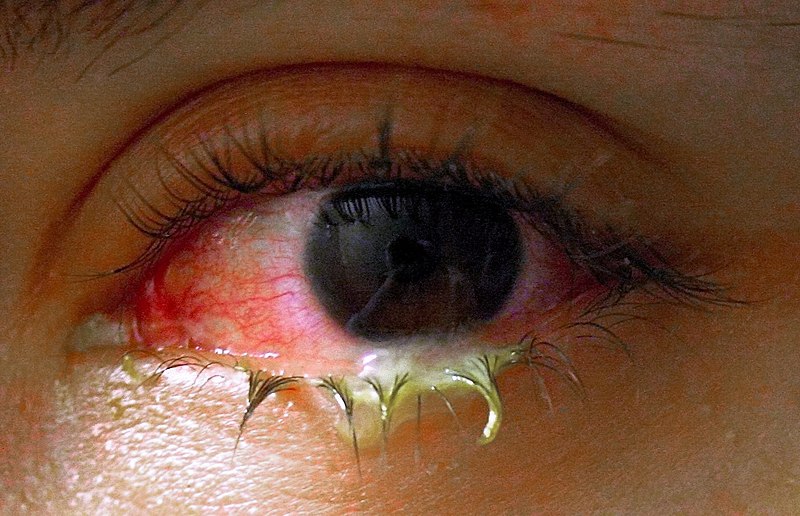
Image Source: Wikimedia Commons (2022). Swollen eye with conjunctivitis, Licensed under a creative commons licence. Available for free at: https://commons.wikimedia.org/wiki/File:Swollen_eye_with_conjunctivitis.jpg (Accessed: 30 June 2021).

Image Source: Wikimedia Commons (2022). Keratoderma blennorrhagic, Licensed under a creative commons licence. Available for free at: https://commons.wikimedia.org/wiki/File:Keratoderma_blennorrhagica.jpg (Accessed: 30 June 2021).
Complete Guide to Clinical Genetics ST3 Application and Recruitment (2027)
Written by Medibuddy. Last updated: October 2026. Clinical Genetics is

Complete Guide to Clinical Radiology ST3 Application and Recruitment (2027)
Recruitment paused: NHS England is not running Clinical Radiology ST3+ recru

Complete Guide to Paediatric Surgery ST3 Application and Recruitment in United Kingdom (2026)
Written by Medibuddy. Last updated: October 2026. If you’re planning


Take your subscriptions with you
Our mobile app allows you to access your interview and exam question banks wherever you are.

