


 Close
Close
 5th June 2025
Nutritional causes of hyperpigmentation
Pellagra
This is caused by vitamin B3 (niacin) deficiency that leads to a systemic disease. Vitamin B3 is vital for maintaining cell function including energy production, metabolism, and DNA repair. Pellagra is more common in developing countries as it is associated with poverty and malnutrition. It is rarely seen in developed countries as many foods are fortified with niacin. However, it may be seen with chronic alcohol abuse, gastrointestinal malabsorption, anorexia nervosa, self-imposed diets, or medications such as isoniazid and antidepressants.
When there is a deficiency, it leads to the primary symptoms of dermatitis, diarrhoea, dementia and even death if not treated. Cutaneous features vary and include symmetrical, bilateral, photosensitive, well-defined erythematous rash on sun-exposed areas. These can progress to becoming hyperpigmented, bullous lesions with desquamation. It is described as Casal necklace when there is a hyperpigmented band around the neck and as pellagrous glove and boot when there are hyperpigmented plaques and fissuring of hands and feet. In some instances, there may be pruritus, nasolabial seborrhoea and vulvovaginitis. Patients may present with associated gastrointestinal symptoms, such as loss of appetite, vomiting, abdominal pain and diarrhoea. Neuropsychiatric features may be seen as a late presentation of pellagra, and include weakness, headache, confusion, irritability, tremor, depression, dementia, and encephalopathy.
It is diagnosed clinically and a quick response to a course of niacin supplementation confirms diagnosis. Findings on skin biopsy include non-specific dermatitic changes, perivascular lymphohistological infiltrates in upper dermis, mild oedema in papillary dermis, capillary dilatation, and dermal fibrosis. Epidermal changes include early subcorneal blisters, pallor of upper epidermis, hyperkeratosis, parakeratosis, epidermal atrophy, detachment, and necrosis. Photosensitivity testing can also be used to check for reactions such as erythema, swelling, blistering and pruritus. The cause will also need to be investigated and if dietary deficiency is unlikely other causes need to be identified. Concomitant nutritional deficiency including checking iron, thiamine, riboflavin, pyridoxine, cyanocobalamin, and folic acid. To check for chronic alcohol use liver function tests should be done. For malnutrition examination of the stool and doing full blood count to check for types of anaemia is useful.
Treatment of pellagra includes niacin therapy and the course is dependent on severity of presenting features. Nicotinic acid (niacin) replacement therapy in the form of nicotinamide is preferred because nicotinic acid causes nausea and vomiting, skin flushing and tingling of tongue or lower jaw. However, improvement in cutaneous and neurological features is seen within the first 48 hours of treatment. Other vitamins should also be replaced if the patient is found to be deficient in these including riboflavin and pyridoxine.
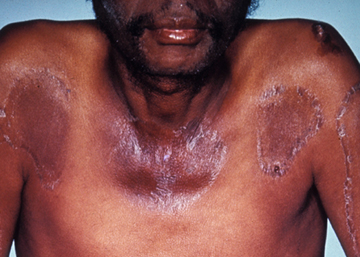
Image Source: Wikimedia Commons (2010). Pellagra, Licensed under a creative commons licence. Available for free at: https://commons.wikimedia.org/wiki/File:Pellagra3.jpg (Accessed 20 May 2025).
Vitamin B12 deficiency
Vitamin B12 (cobalamin) is an essential vitamin important for DNA synthesis and cell metabolism. When there is a deficiency, it presents with neurological, psychiatric, and haematological disorders. Vitamin B12 deficiency occurs due to lack of dietary intake or inadequate absorption. The most common cause is pernicious anaemia where there is a loss of intrinsic factor from autoimmune atrophic gastritis. Other causes include patients with chronic malabsorption, vegan diet, patients with history of gastric bypass and certain medications such as metformin and proton pump inhibitors.
Symptoms and signs include:
- Neurological- depression, cognitive impairment, dementia, sensory deficit, gait abnormalities, peripheral neuropathy, spastic paraparesis, paraesthesia, sub-acute degeneration of the spinal cord. Early signs and symptoms can be subtle but severe deficiency can cause permanent neurological damage.
- Cutaneous- pallor, jaundice, and hyperpigmentation. The hyperpigmentation can occur in the palms or on the tongue
- Other- fatigue/ dyspnoea (megaloblastic anaemia)
Investigations:
- Full blood count- look for anaemia
- Peripheral blood smear- check for macro-ovalocytes and hyper segmented neutrophils
- Vitamin b12 levels
- Serum folate
Management:
- Identify and treat underlying cause
- Vitamin b12 replacement (cyanocobalamin)
- Route (oral or intramuscular) and treatment course depends on symptom severity
- When intramuscular is preferred (such as in severe anaemia/neurological disease), hydroxocobalamin is used in the UK over cyanocobalamin as it is retained longer in the body
Kwashiorkor
Kwashiorkor is also referred to as oedematous malnutrition. It generally happens when receiving a monotonous cereal-based diet. Marasmic kwashiorkor is the presence of severe wasting with oedema. It normally occurs in children from the time of weaning to 5 years of age but can present later when associated with HIV or tuberculosis.
There is no confirmed cause for Kwashiorkor, however a corn-based diet, recent weaning, measles, or diarrhoeal illness have been associated with the disease. It is usually seen in food insecure regions of the world and if it is seen in the developed world it is associated with an underlying disease such as tuberculosis, HIV, or severely restricted diet.
It is a clinical diagnosis and oedema is the defining characteristic. The oedema starts in the feet and can spread if not treated. The oedema is usually bilateral and pitting. Skin manifestations are also seen in this disease. Hyperpigmentation starts as spots that become hard, scaly, and then fuse, followed by desquamation and cracking of skin. It can also present as dry, thin, shiny, or wrinkled skin from atrophy of the basal layers of the epidermis with hyperkeratosis. Ulceration may also appear in the genital, peri-anal, body creases and exposed surfaces.
Complications:
- Infections
- Hypoglycaemia
- Hypothermia
- Xerophthalmia
- Electrolyte disturbance
- Cardiac failure
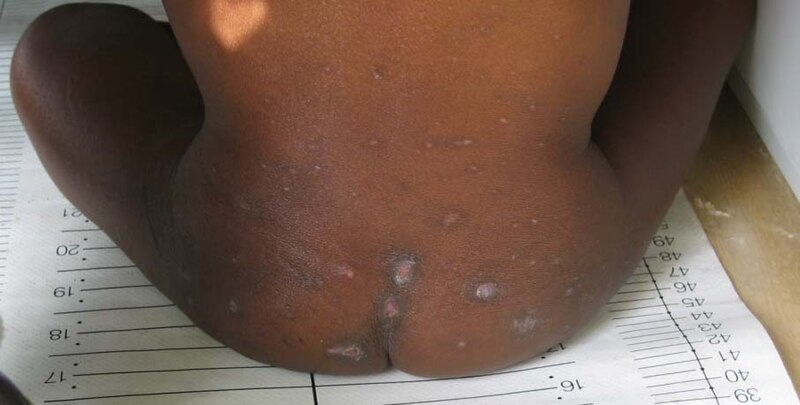
Image Source: Wikimedia Commons (2009). Kwashiorkor Dermatosis, Licensed under a creative commons licence. Available for free at: https://commons.wikimedia.org/wiki/File:Kwashiorkor_dermatosis.jpg (Accessed 20 May 2025).
Treatment includes giving therapeutic food at home or in the hospital depending on the severity. The treatment goal is to resolve oedema and improve the patient’s weight. They may also have concomitant infections requiring treatment.
Complete Guide to Clinical Genetics ST3 Application and Recruitment (2027)
Written by Medibuddy. Last updated: October 2026. Clinical Genetics is

Complete Guide to Clinical Radiology ST3 Application and Recruitment (2027)
Recruitment paused: NHS England is not running Clinical Radiology ST3+ recru

Complete Guide to Paediatric Surgery ST3 Application and Recruitment in United Kingdom (2026)
Written by Medibuddy. Last updated: October 2026. If you’re planning


Take your subscriptions with you
Our mobile app allows you to access your interview and exam question banks wherever you are.

