


 Close
Close
 6th June 2025
Hirsutism
Hirsutism is where women have thick, dark hair on their face, neck, chest, abdomen, lower back, buttocks, or thighs. Hirsutism occurs if the level of androgens in the body increases or if sensitivity to them increases. The two most common causes of hirsutism are polycystic ovary syndrome (PCOS) and idiopathic hirsutism. It affects around 5-10% of women. Hirsutism is usually the result of an underlying endocrine imbalance, which may be adrenal, ovarian, or central. The amount and location of the hair is measured by a Ferriman-Gallwey score. It is different from hypertrichosis, which is excessive hair growth anywhere on the body. The examiner scores the subjects on a scale of 0–4 for terminal hair growth on eleven different body areas according to the Ferriman-Gallwey scoring system (see figure 5). A Ferriman-Gallwey score of 8 or more was considered diagnostic of hirsutism.
Treatments for hirsutism include contraceptive pills, antiandrogen tablets or insulin sensitisers. Other forms of treatment include epilation, waxing, laser hair removal and electrolysis.
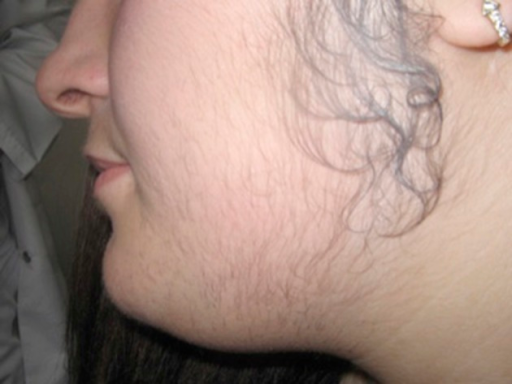
Image Source: Wikimedia Commons (2014). PMC410300, Licensed under a creative commons licence. Available for free at: https://commons.wikimedia.org/wiki/File:PMC4103002_ircmj-16-9410-g001.png (Accessed 22 May 2025).
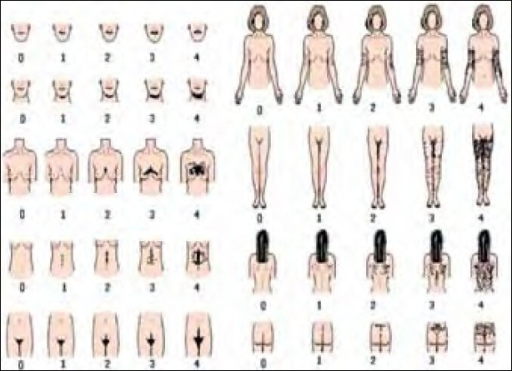
Image Source: Wikimedia Commons (2010). Ferriman-Gallwey Score, Licensed under a creative commons licence. Available for free at: https://upload.wikimedia.org/wikipedia/commons/8/88/Modified_Ferriman-Gallwey-score.png (Accessed 22 May 2025).
Complete Guide to Clinical Genetics ST3 Application and Recruitment (2027)
Written by Medibuddy. Last updated: October 2026. Clinical Genetics is

Complete Guide to Clinical Radiology ST3 Application and Recruitment (2027)
Recruitment paused: NHS England is not running Clinical Radiology ST3+ recru

Complete Guide to Paediatric Surgery ST3 Application and Recruitment in United Kingdom (2026)
Written by Medibuddy. Last updated: October 2026. If you’re planning


Take your subscriptions with you
Our mobile app allows you to access your interview and exam question banks wherever you are.

