


 Close
Close
 5th August 2024
Meningitis
Background
Meningitis describes inflammation of the meninges covering the brain and spinal cord. It is a potentially life-threatening neurological emergency requiring urgent treatment and assessment in secondary care. In addition to headache, symptoms also include neck stiffness, fever, photophobia, nausea and vomiting. The key diagnostic investigations are blood cultures and analysis of cerebrospinal fluid taken by lumbar puncture. Cases of meningitis with negative bacterial culture results (for example, viral, fungal and tuberculous meningitis) are referred to as aseptic meningitis. Empirical treatment is initiated on presentation with further treatment being tailored to investigation results.
Bacterial meningitis
Bacterial meningitis is a rare but life-threatening condition which is more common in very young and elderly people. The most common causative organisms include Streptococcus pneumoniae, Neisseria meningitidis, Haemophilus influenzae and Listeria monocytogenes. The most severe symptoms are typically seen in meningococcal infection, with patients presenting with septic shock and the characteristic non-blanching rash (Figure 1). Listeria monocytogenes usually affects those who are at the extremes of age, immunocompromised or pregnant.
Treatment of bacterial meningitis
- In suspected bacterial meningitis, empirical antibiotic treatment should be initiated immediately.
- Due to the severity of the infection, cases of suspected meningococcal meningitis in the community should be treated with benzylpenicillin before transfer to hospital.
- For adults <50 years, empirical antibiotic treatment in the hospital consists of cefotaxime or ceftriaxone.
- For those >50 years, amoxicillin should be added to cover for Listeria.
- In suspected pneumococcal meningitis, dexamethasone should be started no later than 12 hours after the 1st antibiotic dose, as it has been shown to reduce mortality.
- The antimicrobial regime should then be reviewed with the CSF results and adjusted accordingly.
- Antimicrobial chemoprophylaxis is indicated for close contacts of those with confirmed meningococcal meningitis. Close contacts include household members, intimate contacts and anyone who has spent more than 8 hours less than 3 feet away from the person from 7 days before the onset of their symptoms to 24 hours after starting antibiotics. It also includes those who have had direct exposure to the patient’s oral secretions (for example, during intubation or suctioning) during this period.
Viral meningitis
Viral infections are the most common cause of meningitis and are usually self limiting. Common causes include human enteroviruses (most common), herpes simplex virus, varicella zoster virus and influenza.
Tuberculous meningitis
Tuberculous meningitis can occur in primary infection or reactivation. The onset of symptoms is typically slower than in other types of meningitis. Treatment is with anti-tuberculosis medications.
Fungal meningitis
Fungal infection is rare but life threatening. It is predominantly seen in those who are immunocompromised and is most commonly caused by infection with the cryptococcus species.
Aseptic meningitis
There are many other causes of aseptic meningitis, a small number of which will be outlined in this section:
- Primary HIV infection can present as meningitis which often resolves without treatment. It is, therefore, important to routinely screen for HIV in cases of meningitis.
- Mollaret’s meningitis is a recurrent meningitis which is defined as more than 3 episodes of meningism which resolve spontaneously. It is a rare condition and is usually caused by HSV (Herpes simplex virus)-2.
- Aseptic meningitis is a possible complication of mumps infection. Prior to the introduction of the mumps vaccine this was a very common cause of aseptic meningitis.
- Secondary syphilis, caused by the spherocyte Treponema pallidum, can present with meningism and a widespread rash.
- Acute lyme disease can present with a meningitic picture. It is a vector-borne disease caused by infection with Borrelia species which is spread by ticks. Cranial nerve palsies can be present, especially bilateral facial nerve palsy, which is characteristic of this disease. Another classical sign which would point towards this diagnosis is the presence of an erythema migrans rash.
- Rarely, aseptic meningitis can occur in response to a drug reaction. A variety of medications have been associated with this condition including NSAIDs, antibiotics and anti-epileptics.
- Malignant meningitis can occur with invasion by solid tumours or when haematological malignancies spread to the CNS.
Interpretation of cerebrospinal fluid results
Correct interpretation of cerebrospinal fluid (CSF) characteristics can indicate the diagnosis before culture results are available and, therefore, guide management decisions.
| CSF appearance | Opening pressure (cmH₂O) | WBC (per mm³) | Protein
(g/litre) |
Glucose
(mmol/Litre) |
|
|---|---|---|---|---|---|
| Normal | Clear | 5-20 | 0-5 (lymphocytes) | 0.2-0.45 | 75% of blood glucose |
| Viral | Clear | normal/↑ | 15-1,000 (lymphocytes) | ↑ | Normal |
| Bacterial | Turbid | ↑ | 100-60,000
(predominantly neutrophils) |
↑ | ↓ |
| TB | Opaque | ↑ | 10-500 (neutrophils initially, then lymphocytes) | ↑ | ↓ |
| Fungal | Clear/cloudy | ↑ | 25-500 (mainly lymphocytes) | ↑ | ↓ |
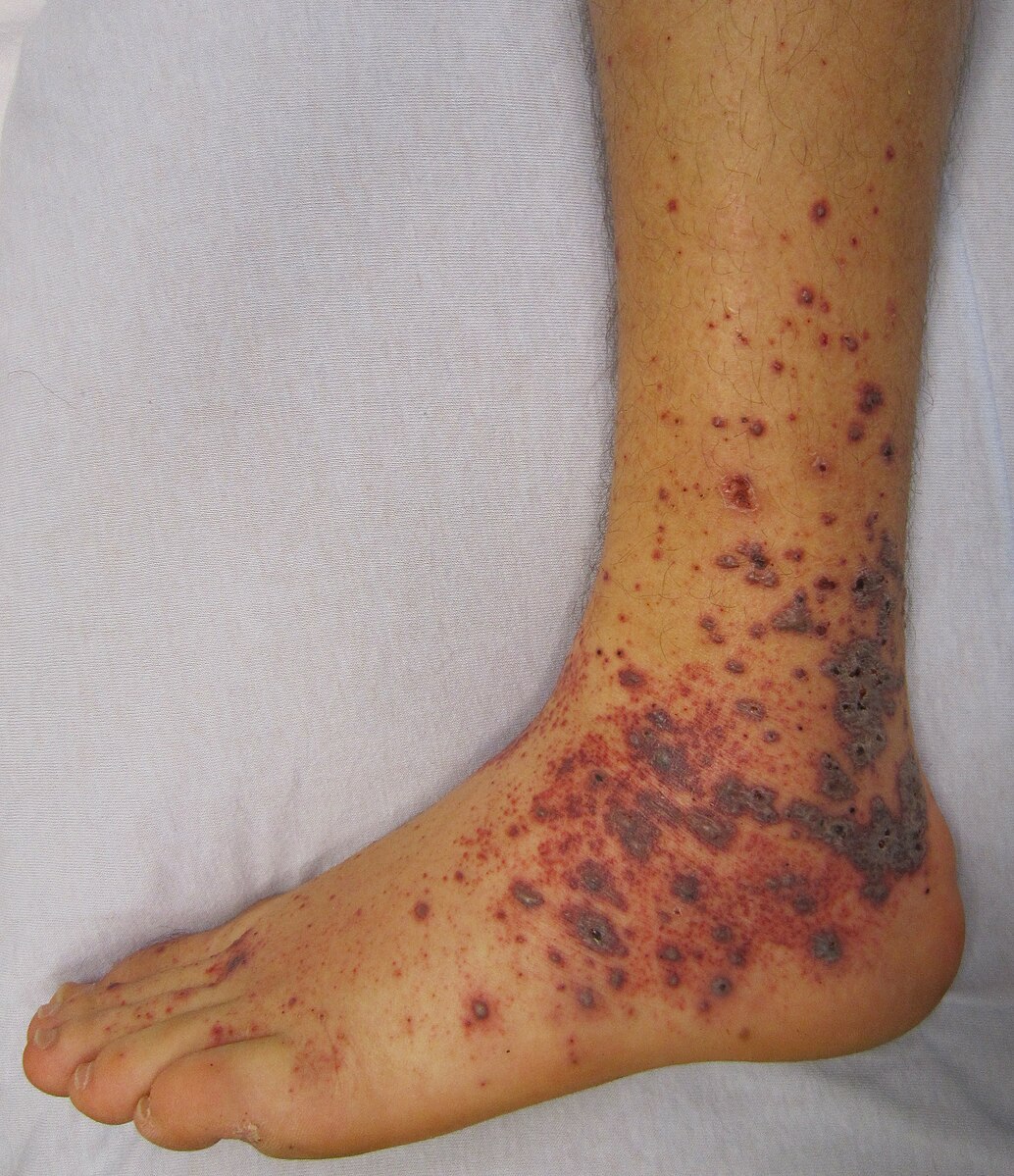
Image Source: James Heilman, M.D. Own work. CC BY-SA 3.0. Wikimedia Commons (2010). Vasculitis, Licensed under a creative commons licence. Available for free at: https://commons.wikimedia.org/wiki/File:Vasculitis.JPG (Accessed: 16 January 2024)
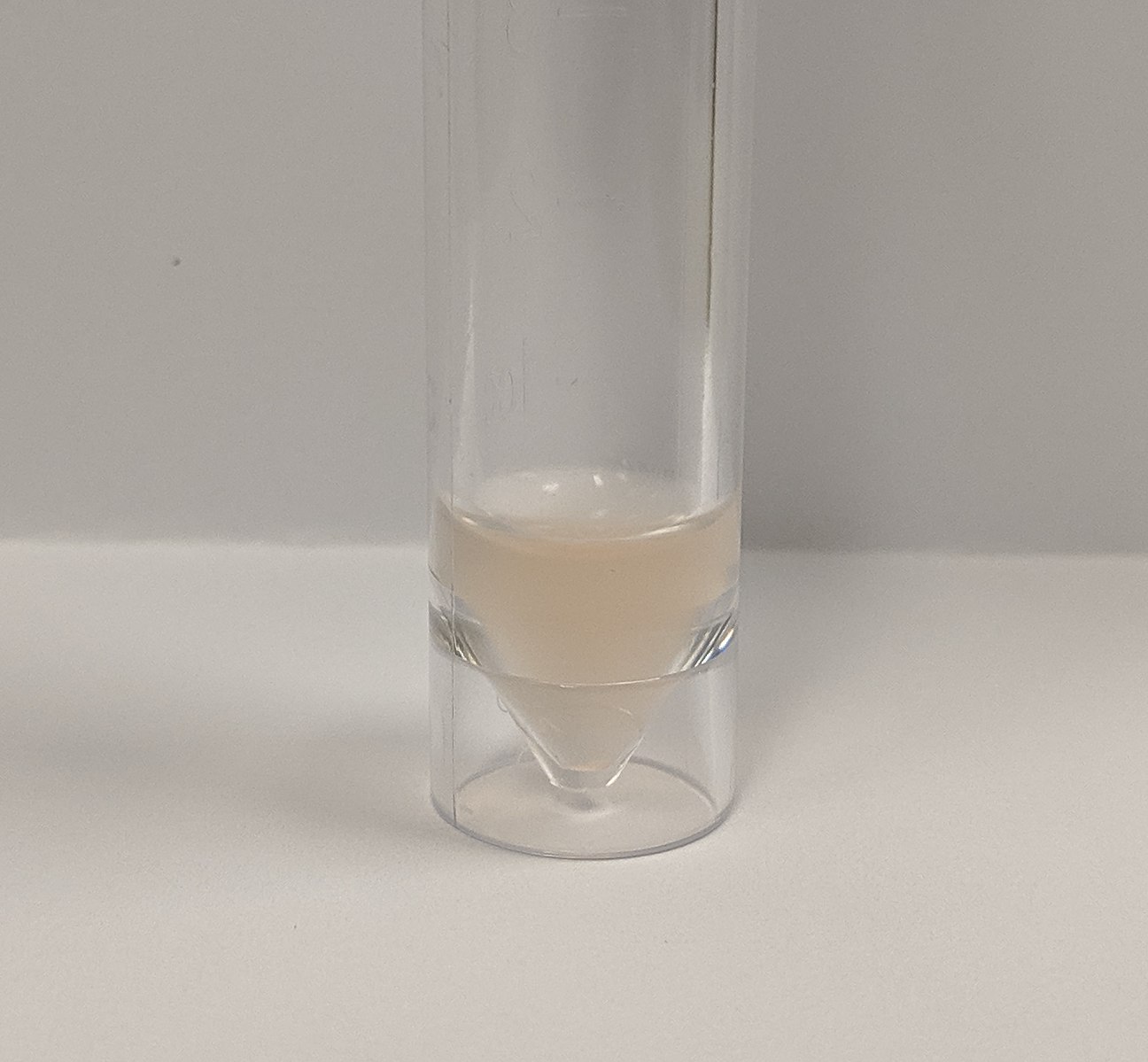
Image Source: James Heilman, M.D. Own work. CC-BY-SA-4.0. Image Source: Wikimedia Commons (2019). MenigitisCSF2019, Licensed under a creative commons licence. Available for free at: https://commons.wikimedia.org/wiki/File:MenigitisCSF2019.jpg (Accessed: 16 January 2024)
References
- Wilkinson, I., Raine, T., Wiles, K., Goodhart, A., Hall, C., O’Neill, H. Oxford Handbook of Clinical Medicine [Online]. 10th edition. Oxford, UK: Oxford University Press., 2017. [Cited 4 Dec. 2021] Available from: https://oxfordmedicine.com/view/10.1093/med/9780199689903.001.0001/med-9780199689903
- Manji, H., Connolly, S., Kitchen, N., Lambery, C., Mehta, A. Oxford Handbook of Neurology [Online]. 2nd edition. Oxford, UK: Oxford University Press, 2014. [Cited 4 Dec. 2021] Available from: https://oxfordmedicine.com/view/10.1093/med/9780199601172.001.0001/med-9780199601172
- BMJ Publishing Group. Overview of Meningitis. In: BMJ Best Practice.[Online]. London: BMJ Publishing Group, 2020. [Cited 4 Dec. 2021]. Available from: https://bestpractice.bmj.com/topics/en-gb/111
- Garg, R. Tuberculous meningitis: Clinical manifestations and diagnosis. In: Bernardo, J., Edwards, M., editors. UpToDate [Online]. Waltham (MA): UpToDate Inc; 2021. [Cited 28 Dec. 2021]. Available from: https://www.uptodate.com/contents/tuberculous-meningitis-clinical-manifestations-and-diagnosis
- Garg, R. Central nervous system tuberculosis: Treatment and prognosis. In: Bernardo, J., Edwards, M., editors. UpToDate [Online]. Waltham (MA): UpToDate Inc; 2021. [Cited 28 Dec. 2021]. Available from: https://www.uptodate.com/contents/central-nervous-system-tuberculosis-treatment-and-prognosis
- Hasbun, R. Clinical features and diagnosis of acute bacterial meningitis in adults. In: Tunkel, A., editor. UpToDate [Online]. Waltham (MA): UpToDate Inc; 2021. [Cited 28 Dec. 2021]. Available from: https://www.uptodate.com/contents/clinical-features-and-diagnosis-of-acute-bacterial-meningitis-in-adults
- Hasbun, R. Treatment of bacterial meningitis caused by specific pathogens in adults. In: Tunkel, A., editor. UpToDate [Online]. Waltham (MA): UpToDate Inc; 2021. [Cited 28 Dec. 2021]. Available from: https://www.uptodate.com/contents/treatment-of-bacterial-meningitis-caused-by-specific-pathogens-in-adults
- Tunkel, A. Aseptic meningitis in adults. In: Hirsch, M., editor. UpToDate [Online]. Waltham (MA): UpToDate Inc; 2021. [Cited 28 Dec. 2021]. Available from: https://www.uptodate.com/contents/aseptic-meningitis-in-adults
- Apicella, M. Clinical manifestations of meningococcal infection. In: Tunkel, A., Edwards, M., editors. UpToDate [Online]. Waltham (MA): UpToDate Inc; 2021. [Cited 28 Dec. 2021]. Available from: https://www.uptodate.com/contents/clinical-manifestations-of-meningococcal-infection
- Apicella, M. Treatment and prevention of meningococcal infection. In: Tunkel, A., Edwards, M., editors. UpToDate [Online]. Waltham (MA): UpToDate Inc; 2021. [Cited 28 Dec. 2021]. Available from: https://www.uptodate.com/contents/treatment-and-prevention-of-meningococcal-infection
- Gelfand, M., Swamy, G., Thompson, J. Clinical manifestations and diagnosis of Listeria Monocytogenes infection. In: Sexton, D., Edwards, M., editors. UpToDate [Online]. Waltham (MA): UpToDate Inc; 2021. [Cited 28 Dec. 2021]. Available from: https://www.uptodate.com/contents/clinical-manifestations-and-diagnosis-of-listeria-monocytogenes-infection
- Chaudhauri, A. Fungal meningitis. In: BMJ Best Practice [Online]. London, UK: BMJ Publishing Group, 2021. [Cited 28 Dec. 2021]. Available from: https://bestpractice.bmj.com/topics/en-gb/541
- Alexiou, A., Chapman, A. Bacterial Meningitis. In: BMJ Best Practice [Online]. London, UK: BMJ Publishing Group, 2021. [Cited 28 Dec. 2021]. Available from: https://bestpractice.bmj.com/topics/en-gb/3000104
- Horne, D., Narita, M. Extrapulmonary Tuberculosis. In: BMJ Best Practice [Online]. London, UK: BMJ Publishing Group, 2021. [Cited 28 Dec. 2021]. Available from: https://bestpractice.bmj.com/topics/en-gb/166
- Williams, J. Viral Meningitis. In: BMJ Best Practice [Online]. London, UK: BMJ Publishing Group, 2021. [Cited 28 Dec. 2021]. Available from: https://bestpractice.bmj.com/topics/en-gb/3000242
- Alexiou, A. Meningococcal disease. In: BMJ Best Practice [Online]. London, UK: BMJ Publishing Group, 2021. [Cited 28 Dec. 2021]. Available from: https://bestpractice.bmj.com/topics/en-gb/3000175
- British National Formulary. Treatment summary: Central nervous system infections, antibacterial therapy. In: BNF Online. London, UK: BMJ Publishing Group, 2022 and Pharmaceutical Press, 2022. [Cited 20 Feb 2022]. Available from: https://bnf.nice.org.uk/treatment-summary/central-nervous-system-infections-antibacterial-therapy.html
Complete Guide to Clinical Genetics ST3 Application and Recruitment (2027)
Written by Medibuddy. Last updated: October 2026. Clinical Genetics is

Complete Guide to Clinical Radiology ST3 Application and Recruitment (2027)
Recruitment paused: NHS England is not running Clinical Radiology ST3+ recru

Complete Guide to Paediatric Surgery ST3 Application and Recruitment in United Kingdom (2026)
Written by Medibuddy. Last updated: October 2026. If you’re planning


Take your subscriptions with you
Our mobile app allows you to access your interview and exam question banks wherever you are.

