


 Close
Close
 20th February 2025
Signs and symptoms of sarcoidosis
Clinical features can be system specific or constitutional:
- Constitutional: fatigue, fevers, weight loss
- Respiratory: dyspnoea, non-productive cough
- Skin: erythema nodosum (Figure 1), lupus pernio (Figure 2)
- Eyes: granulomatous uveitis, dry eyes and glaucoma (can appear after other symptoms have resolved)
- Neurological: any part of the central or peripheral nervous systems can be affected. The most common manifestations are Bell’s palsy and lymphocytic meningitis. Other symptoms include paraesthesia, visual defects, facial weakness or numbness, polydipsia and hearing impairment
- Cardiac: symptoms of heart failure due to cardiomyopathy
- Joints: inflammatory arthritis
- Hypercalcaemia: granulomas cause increased conversion of vitamin D to its active form. This can result in symptomatic hypercalcaemia
- Lymphadenopathy
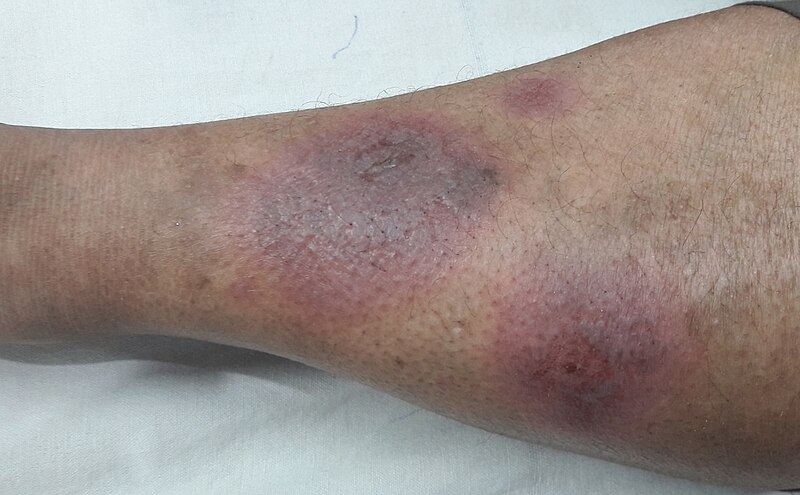
Image Source: Wikimedia Commons (2018). Erythema Nodosum, Licensed under a creative commons licence. Available for free at: https://commons.wikimedia.org/wiki/File:Erythema_Nodosum.jpg#/media/File:Erythema_Nodosum.jpg (Accessed: 17 July 2024).
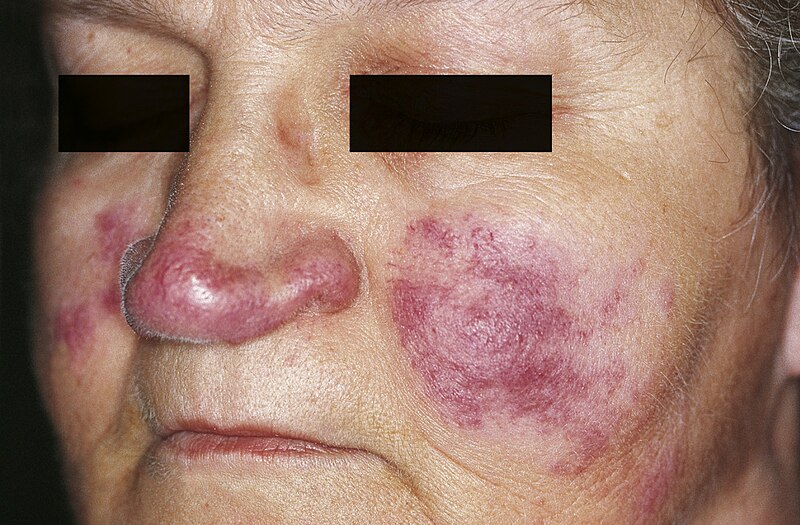
Image Source: Wikimedia Commons (2010). Lupus pernio, Licensed under a creative commons licence. Available for free at: https://commons.wikimedia.org/wiki/File:Lupus_pernio_01.jpg#/media/File:Lupus_pernio_01.jpg (Accessed: 17 July 2024).
Syndromes associated with sarcoidosis
Sarcoidosis can present as certain syndromes:
- Löfgren syndrome: bilateral hilar lymphadenopathy, erythema nodosum, fever and polyarthralgia. This is an acute form of sarcoidosis and carries a very good prognosis
- Heerfordt syndrome: parotid enlargement, fever and uveitis secondary to sarcoidosis
Complete Guide to Clinical Genetics ST3 Application and Recruitment (2027)
Written by Medibuddy. Last updated: October 2026. Clinical Genetics is

Complete Guide to Clinical Radiology ST3 Application and Recruitment (2027)
Recruitment paused: NHS England is not running Clinical Radiology ST3+ recru

Complete Guide to Paediatric Surgery ST3 Application and Recruitment in United Kingdom (2026)
Written by Medibuddy. Last updated: October 2026. If you’re planning


Take your subscriptions with you
Our mobile app allows you to access your interview and exam question banks wherever you are.

