


 Close
Close
 17th May 2025
Prescribing in old age and pregnancy
Prescribing in Old Age
Physiological changes in the elderly
With increasing age, many physiological changes may alter pharmacokinetics. These include:
- Increased gastric motility
- Reduced intestinal blood flow
- Lower body weight and lean body mass
- Higher proportion of body fat
- Lower hepatic and renal blood flow (and thus glomerular filtration rate)
- Change in immune response
All these factors alter pharmacokinetics:
- Absorption of most drugs remains the same except for reduction in iron, calcium and thiamine absorption
- Lower concentration of fat-soluble drugs
- Higher concentration of water-soluble drugs
- Lower rate of drug metabolism and hepatic clearance
- Less efficient renal drug excretion
Pharmacodynamic changes that also occur simultaneously are as follows:
- Central nervous system becomes more sensitive to sedative medications
- Less effective homeostatic mechanisms and less able to compensate for side effects (especially postural hypotension)
- Reduced clotting factor synthesis
- Increased risk of adverse and allergic reactions
Together with the fact that polypharmacy is more prevalent in the elderly, up to 97% in hospitalised patients, they are also more likely to experience side effects secondary to drug interactions.
| Fat-soluble (lipophilic) | Water-soluble (hydrophilic) |
|---|---|
| Diazepam | Digoxin |
| Fentanyl | Verapamil |
| Naproxen | Paracetamol |
| Propranolol | Penicillin |
Table 1. Common fat-soluble and water-soluble drugs
Delirium
Delirium is an acute global disorder of the central nervous system function characterised by altered cognition, awareness, and attention.
As elderly patients’ central nervous system become more sensitive to neurochemical imbalances, all sedative medications can easily cause decompensation and delirium:
- Opioids
- Benzodiazepines
- Z-drugs for insomnia
- First generation antihistamines
- Antidepressants
- Antipsychotics
- Anticholinergics
- Antiemetics
- General anaesthesia
Steroids are well known to cause confusion and cognitive impairment, and in severe cases, hallucinations and delusions.
Medications that cause arrhythmias also have the potential to cause delirium. For instance, beta blockers and Digoxin cause bradycardia and may disrupt blood flow to the brain.
Anticholinergic burden
Anticholinergic medications are associated with many side effects to which the elderly are more susceptible:
- Cognitive impairment
- Confusion
- Drowsiness
- Ataxia
- Headache
- Hallucination
- Blurred vision (due to dry eyes)
- Dry mouth
- Nausea and vomiting
- Tachycardia and palpitations
- Urinary retention
- Constipation
- Reduced sweating
Anticholinergics not only can precipitate acute conditions such as acute closed angle glaucoma, but they are also associated with higher chance of hospital admission, longer length of stay and greater incidence of falls. Therefore, they should be avoided in elderly patients if possible.
Anticholinergic burden (ACB) is the cumulative measure of anticholinergic effect on an individual taking one or more drugs with anticholinergic activity. The ACB score for each patient can be calculated by adding up the score of each medication they are taking. A higher score represents a higher likelihood of adverse effects. Each 1-point increase in ACB total score is suggested to result in decline of MMSE score of 0.33 points and around 80% increase in mortality risk over 2 years.
| ACB score 3 | ACB score 2 (moderate) | ACB score 1 (mild) | ACB score 0 |
|---|---|---|---|
| Antidepressants | |||
| Tricyclic antidepressants (TCA; e.g. Amitriptyline, Clomipramine, Imipramine, Nortriptyline)
Selective serotonin receptor inhibitor (SSRI; e.g., Paroxetine) |
Mirtazapine
Sertraline |
Venlafaxine | |
| Antipsychotics | |||
| Chlorpromazine
Olanzapine Quetiapine Clozapine |
Levomepromazine
Lithium |
Aripiprazole
Haloperidol Risperidone |
|
| Nausea and vertigo | |||
| Prochlorperazine | Metoclopramide
Domperidone |
||
| Urinary antispasmodics | |||
| Oxybutynin
Tolterodine Solifenacin Darifenacin |
Dosulepin | Mirabegron | |
| Antihistamines | |||
| Chlorphenamine
Promethazine Hydroxyzine |
Cetirizine
Loratadine Ranitidine |
||
| Gastroprotection | |||
| Ranitidine
Cimetidine |
Omeprazole
Pantoprazole Lansoprazole |
||
| Parkinson’s Disease drugs | |||
| Procyclidine
Trihexyphenidyl (Benzhexol) |
Amantadine
Bromocriptine |
Entacapone
Co-careldopa Ropinirole Selegiline |
|
| Analgesia | |||
| Pethidine | Opioids | Paracetamol
Non-steroidal anti-inflammatory drugs (NSAIDs) Gabapentin |
|
| Cardiac drugs | |||
| Atropine | Atenolol
Captopril Digoxin Disopyramide Furosemide Hydralazine Isosorbide dinitrate Nifedipine |
||
| Others | |||
| Hyoscine
Ipratropium |
Carbamazepine
Oxcarbazepine |
Bupropion
Colchicine Diazepam Dipyridamole Loperamide Steroids Theophylline Warfarin |
|
Table 2. ACB score for different drugs
Levodopa is often combined with a peripheral blocker of dopamine metabolism for managing Parkinson’s disease, such as dopa decarboxylase inhibitor (e.g., Carbidopa, Benserazine), monoamine oxidase B (MAO-B; e.g., Selegiline, Rasagiline), and catechol‑O‑methyl transferase (COMT) inhibitor (e.g., Tolcapone, Entacapone). Topical dopamine agonist in the form of a patch, usually containing Rotigotine, can be given to patients who cannot comply with oral medications. First generation antipsychotics should be avoided in Parkinson’s patients as they can exacerbate extrapyramidal symptoms (EPS). Management of drug-induced EPS is Procyclidine.
In patients with dementia, antimuscarinics can more easily cause decompensation of cerebral function and delirium. When prescribing and reviewing an elderly patient’s drug chart, we should be aware of the high ACB medications and try to switch them to drugs with lower ACB scores.
Medicine reconciliation
Polypharmacy is the concurrent use of 4 or more regular medications in an individual. It can be appropriate in many instances in patients with complex comorbidities, but clinicians must be able to recognise inappropriate polypharmacy that is much more common in older people.
Problems & consequences of inappropriate polypharmacy include:
- Adverse drug interactions
- Pill burden
- Poor compliance
- Confusion as to what, when and how to take drugs
- Sense of lack of control over own healthcare
- Increased hospital admission and healthcare cost
Screening Tool of Older Persons’ potentially inappropriate Prescriptions (STOPP) and Screening Tool to Alert to Right Treatment (START) are evidence-based guidelines used in the United Kingdom aimed to prevent inappropriate prescribing and omission of essential medicines (seeTable 3). Utilising STOPP/START criteria has reduced the number of adverse drug events and medical costs, whilst improving activities of daily living.
| Medication | Circumstances to review | Potential adverse effect |
|---|---|---|
| Anticholinergics | For treating EPS caused by antipsychotics
Patients with dementia, glaucoma, chronic constipation, prostatism |
Anticholinergic toxicity
Exacerbation of respective conditions |
| Cardiovascular | ||
| Aspirin | Concurrent anti-coagulation drugs
Bleeding disorder Peptic ulcer disease (PUD) |
Bleeding |
| Beta blockers | Concurrent non-dihydropyridine calcium channel blockers (CCB)
Patient with diabetes mellitus and frequent hypoglycaemic episodes Patient with asthma (especially non-cardioselective beta blockers) |
Symptomatic heart block
Masking hypoglycaemic symptoms Bronchospasm |
| Calcium channel blocker (CCB) | Heart failure (especially non-dihydropyridine CCB)
Chronic constipation |
Side effect of ankle oedema
Exacerbating conditions |
| Clopidogrel, Dipyridamole | Concurrent bleeding disorder | Bleeding |
| Digoxin | Dose >125μg + impaired renal function (eGFR <50 ml/min) | Toxicity (e.g. nausea, diarrhoea, arrhythmia) |
| Diuretics | Loop diuretics + heart failure
Thiazides + history of gout |
No mortality benefit
Exacerbating gout |
| Statins | Prognosis of <6 months without acute ischaemic vascular condition (e.g. Acute coronary syndrome, Cerebrovascular syndrome)
Symptoms of muscle weakness or pain |
No benefit to mortality whilst increasing polypharmacy
Risk of myopathy and rhabdomyolysis |
| Vasodilator (e.g. Hydralazine, Minoxidil, Sildenafil) | Postural hypotension | Syncope and falls |
| Warfarin | Hepatic impairment with impaired clotting and raised INR | Bleeding |
| Psychotropics | ||
| Antipsychotics | For >1 month
Recurrent falls Managing behavioural and psychological symptoms of dementia |
Exacerbating confusion, EPS (especially in Parkinson’s disease), falls, gait dyspraxia |
| Benzodiazepines | For >1 month
Recurrent falls |
Prolonged sedation, confusion, impaired balance, falls |
| Domperidone | Underlying cardiac condition
Co-prescribed medication that lengthens QT interval or potent P450 inhibitor |
Risk of cardiac arrhythmia secondary to long QT interval |
| Dopamine antagonist (e.g. Prochlorperazine, Chlorpromazine, Metoclopramide) | Patients with Epilepsy
Patients with Parkinson’s disease |
Lower seizure threshold
Exacerbating condition |
| First generation antihistamines (e.g., Chlorpheniramine,
Promethazine, Cyclizine) |
Used for >1 week
Recurrent falls |
Sedation, falls, anticholinergic side effects |
| Selective serotonin receptor inhibitor (SSRI) | Serum sodium <130 mmol/L within past 2 months
Risk of QT prolongation (especially Citalopram and Escitalopram) |
Worsening hyponatraemia
Cardiac arrhythmia secondary to long QT interval |
| Tricyclic antidepressants (TCA) | Cardiac conduction abnormality
Concurrent opioids or CCB Prostatism or history of urinary retention |
Risk of arrhythmia
Risk of severe constipation Risk of urinary retention |
| Respiratory | ||
| Ipratropium | Patient with glaucoma | Exacerbating glaucoma |
| Gastrointestinal | ||
| Anti-diarrhoeal (e.g. Loperamide) | For diarrhoea of unknown cause | Delayed diagnosis and recovery of gastroenteritis, toxic megacolon in inflammatory bowel disease (IBD), exacerbate constipation, overflow diarrhoea |
| Antiemetics (dopamine antagonists) | [same as anticholinergics] | |
| Bisphosphonates | Unable to sit upright
Swallowing difficulty |
Severe upper GI disorder (e.g. oesophagitis) |
| Laxatives (stimulant e.g. Bisacodyl, Senna, Metoclopramide) | Patient with intestinal obstruction | Bowel perforation |
| Proton pump inhibitor (PPI) | High dose for >8 weeks
Concurrent Clopidogrel |
Increased risk of Clostridium difficile infection
Reduce antiplatelet effect |
| Endocrine | ||
| Corticosteroids (systemic) | Maintenance therapy in moderate-severe chronic obstructive pulmonary disease (COPD)
>3 months monotherapy for rheumatoid arthritis or osteoarthritis |
Unnecessary exposure to long-term side effect of medication |
| Metformin | Renal impairment:
Review dose if eGFR <45 ml/min Avoid if eGFR <30ml/min |
Lactic acidosis |
| Oestrogen (systemic) | History of breast cancer or venous thromboembolism (VTE)
Monotherapy in individuals with uterus |
Recurrence of conditions
Endometrial cancer |
| Pioglitazone | Heart failure
All elderly patients |
Exacerbating heart failure
Fracture and bladder cancer |
| Sulfonylurea | Patient with type 2 diabetes mellitus | Prolonged hypoglycaemia |
| Urogenital | ||
| Bladder antispasmodics | Patients with dementia, glaucoma, chronic constipation, prostatism | Exacerbating conditions |
| Alpha blockers | Male urinary incontinence >1x/day | Urinary frequency and worsening of incontinence |
| Analgesia | ||
| NSAID | History of PUD or gastrointestinal (GI) bleed without gastroprotection
Mod-severe hypertension (>160/100), heart failure, chronic kidney disease Concurrent Warfarin, SSRI, corticosteroids (>3 months monotherapy) ≥65yo + eGFR <60ml/min or heart failure |
PUD relapse
Exacerbating condition GI bleeding Deterioration of renal function |
| Opioids | Long term use of strong opiates as first line for mild-moderate pain
>2 weeks in chronic constipation without concurrent laxatives Long term in dementia + not palliative + not for specific pain syndrome Recurrent falls |
WHO analgesic ladder not observed
Severe constipation Exacerbating cognitive impairment Drowsiness, falls, vertigo |
Table 3. Summary of STOPP guidance
As a general principle, any duplication of drug class should be reviewed and preferably removed to reduce side effects and polypharmacy. Avoid concurrent use of several sedative medications due to increased risk of overdose and respiratory depression.
Despite general clinical consensus regarding stopping anticoagulants in recurrent falls, there has not been any evidence supporting this. Starting or stopping anticoagulants for specific indications (e.g., atrial fibrillation) should be based on a balance of risks between risk of thrombotic event and bleeding risks. Scoring systems should be utilised to make an informed decision (i.e. CHA2DS2-VASc score for risk of cerebrovascular event in atrial fibrillation, ORBIT and HASBLED for risk of bleeding).
| Medication | Conditions |
|---|---|
| Safer and more effective alternatives available | |
| Diuretics (monotherapy) | Hypertension
Dependent/gravitational ankle oedema + no signs of heart failure |
| NSAIDs | >3 months in mild osteoarthritis
Gout |
| Theophylline (monotherapy) | COPD |
| No proven benefit | |
| Aspirin | No arterio-occlusive disease |
| Dipyridamole (monotherapy) | Stroke |
| Warfarin | >6 months for first DVT
>12 months for first PE |
Table 4. Summary of START guidance
Warfarin is an important medication to take note of when starting or stopping medications as many drugs can affect its anticoagulant effect, mainly by potentiating or inhibiting the cytochrome P450 system responsible for metabolising warfarin. When starting any drugs that can alter warfarin metabolism (Table 5), monitor international normalised ratio (INR) closely and modify warfarin dose if necessary. Several antibiotic classes and antiepileptic drugs (AED) are the most common causes. Patients will also need to be reminded that some food items should be avoided to maintain a stable Warfarin level. Patients with liver disease are likely to have impaired Warfarin metabolism, thus a lower dose may be required to achieve target INR.
| Mechanism of effect | Medication |
|---|---|
| Decrease warfarin effect | |
| Cytochrome P450 inducer | Alcohol (chronic intake) |
| Barbiturates (e.g., Phenobarbitone, Thiopentone, Chlormethiazole) | |
| Carbamazepine | |
| Griseofulvin | |
| Phenytoin | |
| Rifampicin | |
| Smoking | |
| St John’s Wort | |
| Sulfonylureas (e.g., Glibenclamide, Gliclazide, Glyclopyramide) | |
| Impair gastrointestinal uptake of warfarin | PPI |
| Cholestyramine | |
| Replenishment of vitamin K | Food rich in vitamin K (e.g. broccoli, kale, spinach) |
| Increase warfarin effect | |
| Cytochrome P450 inhibitor | Alcohol (acute) |
| Allopurinol | |
| Amiodarone | |
| Azole antifungals (e.g., Ketoconazole, Fluconazole) | |
| Chloramphenicol | |
| Cimetidine | |
| Cranberry juice | |
| Disulfiram | |
| Quinolone antibiotics (e.g. Ciprofloxacin, Norfloxacin, Ofloxacin, Nalidixic acid) | |
| Grapefruit juice | |
| Isoniazid | |
| Macrolide antibiotics (e.g., Clarithromycin, Erythromycin) | |
| Metronidazole | |
| Omeprazole | |
| Ritonavir | |
| SSRI (e.g., Fluoxetine, Paroxetine, Sertraline, Citalopram) | |
| Sulphonamide antibiotics | |
| Valproate | |
| Verapamil | |
| Displace warfarin from binding to plasma albumin | NSAIDs |
Table 5. Drugs that alter warfarin anticoagulant effect
Below is a simple guide as to how to reconcile and review medications for elderly patients:
- Remove medications that are not indicated by their current conditions
- Limit the range of drug class to reduce possible drug-drug interactions
- Start with lower dosage within the effective range, and titrate according to symptoms slowly if necessary
- Simplify regimen and keep the number of doses per day to a minimum
- Review regularly, especially at each admission and change in condition
Prescribing in pregnancy
Teratogenicity
Many therapeutic medications and toxins can harm the unborn foetus, causing teratogenicity and higher incidence of foetal malformations compared to the general population (1-2 in 100 live births). The time during pregnancy when foetal organs are most affected by each drug coincides with their corresponding period of rapid development. For drugs that pass to the foetus via the placenta or affects its blood flow, their effect would not be apparent until 10 to 12 weeks after conception when the placenta starts to become functional. Most internal organs are formed during the first 12 weeks of pregnancy, thus women who would like to conceive or are pregnant should avoid teratogenic drugs in the beginning of their pregnancy. Brain development occurs throughout pregnancy up to delivery; insult at any point of time before birth could have the potential to alter the child’s postnatal learning and behaviour.
Women taking teratogenic medications should be educated to undertake several precautions to avoid getting pregnant by having reliable contraception preferably in 2 forms. Moreover, taking regular pregnancy tests, especially 1 month before starting treatment or repeat prescription, and 1 month after stopping treatment. If positive, it is advisable to switch onto an alternative non-teratogenic medication to manage her condition and receive closer prenatal monitoring.
Antibiotics
Many classes of antibiotics have effects on the foetus due to their mechanism of action. Penicillin is generally a safe class of medications for pregnant women, except for Co-amoxiclav in the context of pre-labour premature rupture of the membranes as it increases the risk of necrotising enterocolitis in postnatal period
| Antibiotic | Associated harm |
|---|---|
| Aminoglycosides (e.g., Gentamicin, Streptomycin; especially if IV) | Ototoxic and nephrotoxic |
| Nitrofurantoin (in third trimester, during labour and delivery) | Haemolytic anaemia of the neonate due to immature erythrocyte enzyme systems |
| Quinolones (e.g. Ciprofloxacin, Levofloxacin) | Increased risk of stillbirth, cardiac cono-truncal defects, tetralogy of Fallot |
| Sulphonamides (e.g. Trimethoprim; only if taken before first 12 weeks of pregnancy) | Neural tube defect (NTD), cleft lip or palate, cardiac malformation |
| Tetracyclines (e.g. Doxycycline; especially in second and third trimester) | Stains on teeth, potential problem on bones where drug accumulates, maternal liver failure (if given intravenously in third trimester), higher chance of miscarriage |
Table 6. Teratogenic antibiotic classes and their adverse effects
If taking sulphonamides within the first 12 weeks of conception, women must take high dose folic acid (5mg OD) to counteract its anti-folate action. It disrupts spine and skull development by preventing proper closure of the neural tube. Exposing the spinal cord to amniotic fluid causes permanent neurological damage, and a varied degree of severity leads to a range of conditions called neural tube defect (NTD). Folic acid should also be taken by women who have:
- Family history of or previous pregnancy with child born with NTD
- Body mass index (BMI) >30kg/m2
- Diabetes mellitus
- Conditions associated with haemolytic anaemia (e.g. Sickle cell disease, Thalassaemia)
- Conditions that can lead to malabsorption (e.g. Coeliac disease)
- Regular AED
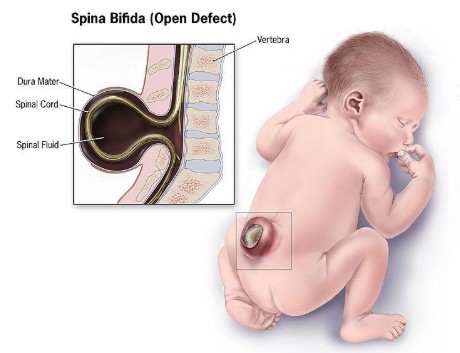
Figure 1: Open spina Bifida
Image Source: Wikimedia Commons (2012). Spina Bifida, Licensed under a creative commons licence. Available for free at: https://commons.wikimedia.org/wiki/File:Spina-bifida.jpg (Accessed 12 May 2025).
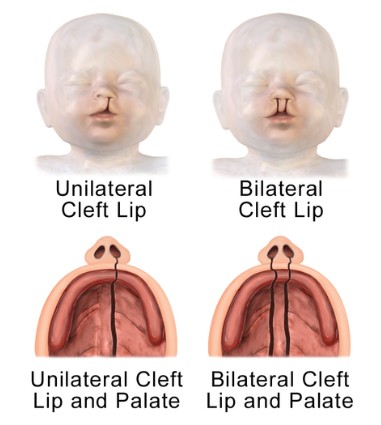
Figure: Cleft Lip and Palate
Image Source: Wikimedia Commons (2016). Unilateral and Bi-lateral Cleft Lip and Palate, Licensed under a creative commons license. Available for free at: https://commons.wikimedia.org/wiki/File:Unilateral_and_Bilateral_Cleft_Lip_and_Palate.png (Accessed 12 May 2025).
Antiepileptic drugs (AED)
Carbamazepine is a highly teratogenic medication, leading to:
- Intrauterine growth restriction (IUGR)
- Craniofacial abnormalities
- Wide-spaced eyes
- Small, broad and flatter nose
- Epicanthal folds
- Long and smooth philtrum
- NTD
- Neonatal abstinence syndrome (NAS; removal of exposure to drugs foetus was exposed to in the womb causes a group of symptoms with similar presentation to drug withdrawal in adults)
- Tachycardia, hypertension, tachypnoea
- Tremor
- Sweating
- Diarrhoea and vomiting
- Hyperirritability
- Seizure
- Hypertonia
- Theoretical risk of anticoagulative effect in new-borns (all babies whose mother took carbamazepine in pregnancy should receive vitamin K injection at birth)
Phenytoin use during pregnancy leads to foetal hydantoin syndrome characterised by:
- IUGR
- Craniofacial abnormalities
- Microcephaly
- Broad nose
- Cleft lip or palate
- Hypoplastic nails and fingers
- Intellectual disability
Sodium valproate reduces amount of folic acid required for foetal growth, and leads to foetal valproate syndrome (FVS) in around 10% of new-borns who were exposed during first trimester:
- NTD
- Cardiac defects
- Cleft lip and palate
- Hypospadias
- Finger abnormalities
- More likely to have problems with coordination, movement, learning and behaviour including Autistic Spectrum Disorder (ASD), Attention Deficit Hyperactivity Disorder (ADHD) and Conduct disorder
Women who have a previous child with FVS are more likely to have a second child with the same condition, possibly indicating a genetic susceptibility towards the medication. The likelihood of miscarriage has a positive dose-response relationship with drug dosage.
Cardiac medications
Both angiotensin-converting enzyme (ACE) inhibitors and angiotensin receptor blockers (ARB) are not advised to be taken in second and third trimesters due to its potential to increase the risk of:
- Miscarriage
- IUGR
- Patent ductus arteriosus (PDA)
- Oligohydramnios which may then lead to microcephaly, lung and renal hypoplasia, flattened facial features, misshapen skull & long bones, and joint contracture
Beta blockers used in late pregnancy can potentially lead to lower birth weight and neonatal hypoglycaemia, thus neonates have additional monitoring scans around 32 to 36-week gestation and a few days after delivery.
Statins remove cholesterol essential for foetal growth, thus should be discontinued for 3 months before attempting to conceive.
Warfarin, especially if taken in the first trimester, is another potent teratogen that leads to severe congenital malformations that collectively named foetal warfarin syndrome:
- Nasal hypoplasia
- Chondrodysplasia punctata (interferes with cartilage formation)
- Heart defects
- Increase risk of haemorrhage
- Cerebral
- Placental (leading to IUGR, preterm delivery, placental abruption and stillbirth if severe)
- Neurological malformations
- Microcephaly
- Abnormal spinal bones
- Cerebral defects and mental retardation
- Optic atrophy and blindness
- Altered development and hypoplasia of limb bones
The probability of birth defects is highest in women who take higher doses of warfarin (more than 5 mg/day). Warfarin could be reinstated during the third trimester, but it should be stopped 4 weeks prior to planned vaginal delivery to reduce the effect of medication on the new-born.
Immunomodulators
Thalidomide and Linalidomide were widely used to treat nausea and vomiting in pregnant women before its teratogenic effects were discovered. Males taking this class of drugs are advised to use contraception during sexual contact with a female as they can enter semen to affect the developing foetus. They can cause severe developmental abnormalities, the most significant of which are:
- Limb abnormalities
- Micromelia (small limbs or “flipper limbs”)
- Phocomelia (teratogenic limb defect characterised by absence of proximal portion of limb e.g., hand or foot are directly attached to shoulder or hip)
- Symmetrical amelia (complete absence of limbs)
- Craniofacial abnormalities
- Anotia (absence of external ear)
- Central facial naevus
- Cleft palate
- Cardiovascular, urogenital & GI abnormalities
- Neurodevelopmental problems
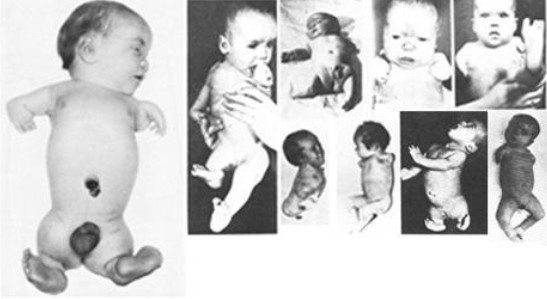
Figure 3: Malformations associated with thalidomide
Image Source: Wikimedia Commons (2007). Thalidomide effects, Licensed under a creative commons licence. Available for free at: https://commons.wikimedia.org/wiki/File:Thalidomide_effects.jpg (Accessed 12 May 2025).
Methotrexate reduces the amount of essential substrate for DNA synthesis and can lead to multiple negative outcomes: increased chance of miscarriage and serious birth defects, and IUGR. It should be discontinued 6 months, in both males and females, before attempting to conceive as it remains in the body for a period of time.
Hydroxychloroquine increases the likelihood of miscarriage two times more than the general population.
There is no clear evidence that monoclonal antibodies and small molecules for cancer treatment such as Adalimumab, Etanercept, Infliximab affect pregnancy. However, if used in later pregnancy they can potentially affect the child’s immune system for several months after birth. Live vaccines should be avoided in the neonatal period, such as rotavirus and BCG vaccine until after they have reached six months old.
Psychiatric medications
Many antidepressants and antipsychotics have adverse effects on the foetus. Most tricyclic antidepressants (TCA; excluding amitriptyline), selective serotonin receptor inhibitors (SSRI), antipsychotics cause NAS, and behavioural and learning difficulties. Women taking SSRI are 3 times more likely to have a child with ASD. SSRI and antipsychotics can also sometimes lead to persistent pulmonary hypertension of the new-born (PPHN; 1 in 300 babies) and slightly higher risk of postpartum haemorrhage (PPH).
Lithium is associated with multiple congenital abnormalities such as cardiovascular defects, congenital goitre, foetal macrosomia, and floppy infant syndrome. There are also studies showing increased risk of prematurity and perinatal mortality.
Thyroid medications
Carbimazole and methimazole use in early pregnancy appears to occasionally cause congenital malformations including:
- Choanal atresia
- Cardiovascular problems
- Gastroschisis
- Nail and finger abnormalities
- Aplasia cutis (scalp defect)
- Neonatal hypothyroidism (if used after week 10 of pregnancy)
- Learning and behavioural problems
Exposure to radiation emitted by Iodine-131 in the first trimester can theoretically cause birth defects or miscarriage, and it can accumulate and damage foetus’ developing thyroid gland from 10-12 weeks of pregnancy. Therefore, women receiving radioiodine should avoid conception for 6 months after treatment, and pregnant women should avoid prolonged close contact with other people (i.e., sleeping or sitting together for several hours per day) who have received this treatment within the previous 3 weeks.
Analgesia
NSAIDs should be avoided from second trimester due to their potential to increase rates of:
- Miscarriage
- Oligohydramnios
- Premature closure of ductus arteriosus
- PPHN
Low dose Aspirin (75mg OD) is an exception that is often used to prevent preeclampsia from 12 weeks onwards until end of pregnancy, but higher dose (up to 4g OD) taken regularly for more than 5 days after 30 weeks gestation is not advised.
Opioids exert similar effects on the foetus to those experienced by adults such as respiratory depression and withdrawal. It also has widespread effects on general development such as foetal dysgenesis, growth retardation and high rates of premature birth.
Miscellaneous
Oral and, to a lesser extent, topical forms of retinoids (i.e., vitamin A) carry a high risk of miscarriage (3 in 10 women), ectopic pregnancy, and birth defects (1 in 5 women taking isotretinoin during the first 12 weeks of pregnancy):
- Thymic hypoplasia, aplasia and ectopia
- Craniofacial defects
- Ear and eye abnormality
- Cleft palate
- Micrognathia
- Depressed nasal bridge
- Hypertelorism
- Heart defects
- Tetralogy of Fallot
- Septal defects
- Transposition of the great vessels
- Aortic arch hypoplasia
- Learning difficulties secondary to central nervous system defects
- Microcephaly
- Hydrocephaly
- Cerebral cortex abnormalities
There is no ‘safe’ period of exposure during pregnancy, as little as 1 week of use has been observed to cause birth defects. As it is slowly excreted, women must wait at least 1 month after stopping treatment before getting pregnant.
Sex hormones (e.g., progestogens & oestrogens) cause virilisation of female foetus and feminisation of male foetus.
Sulfonylureas may cause up to 10 days of severe hypoglycaemia in neonates born to mothers who were receiving them at the time of delivery.
DPP-4 inhibitors or gliptins, GLP-1 analogues and Pioglitazone have been shown to be toxic to the unborn baby in animal studies, thus they should be avoided.
Toxins
Alcohol is the most common cause of teratogenic damage in children (0.2–1.5 per 1,000 live births) and highest preventable cause of intellectual disability. Heavy drinking (defined as more than 5 units of alcohol per day) in pregnant mothers is a major risk factor for developmental disability, as high alcohol level leads to failure of neuronal and glial cell development in the first trimester, when the toxin exerts the most harmful effects. The constellation of symptoms and signs exhibited by children affected is called foetal alcohol spectrum disorder (FASD):
- Pregnancy
- Miscarriage (5 times more likely)
- Stillbirth (3 times more likely)
- Premature delivery
- IUGR and postnatal restricted growth
- Neonatal abstinence syndrome
- Dysmorphic features
- Microcephaly
- Down-slanting short palpebral fissures
- Hypertelorism and microphthalmia
- Epicanthal folds
- Cyclopia
- Cleft lip or palate
- Thin upper lip and vermillion border
- Smooth hypoplastic philtrum
- Midfacial hypoplasia
- Receding chin and micrognathia
- Systemic defects
- Heart defects: ventricular septal defect (VSD), heart-lung fistulae
- Skeletal anomalies: limb dislocations, joint contractures, pectus excavatum/pectus carinatum
- Aplastic or dysplastic kidneys leading to hypertension
- Endocrine disorders related to pituitary dysfunction (e.g., diabetes insipidus)
- Central nervous system defects: holoprosencephaly, seizures, epilepsy
- Learning and behavioural problems
Because of the high risk of alcohol in causing detrimental developmental features, the Department of Health in the United Kingdom recommends women to avoid alcohol during pregnancy and ideally when trying to conceive.
Nicotine in cigarette smoking increases release of catecholamines that causes vasoconstriction of uteroplacental blood vessels. Together with increased carbon monoxide level in the blood and carboxyhaemoglobin formation, tissue hypoxia affects many parts of the foetal body. Reduced oxygen delivery increases risk of miscarriage, ectopic pregnancy, premature delivery, low birth weight and IUGR. Women who smoke are twice as likely to have a stillbirth, partly due to problems with placental blood flow such as placental abruption. Nonetheless, pregnant women who give up smoking in the first few weeks of pregnancy are no more likely to have a low-birth-weight baby than those who do not. Specific defects in children born to mothers who smoke include:
- Craniosynostosis
- Gastroschisis
- Defects of urinary tract and cardiac system
- Congenital diaphragmatic hernia
- Talipes
Children affected are also more likely to encounter adverse events:
- Sudden infant death syndrome (SIDS; i.e., ‘cot death’)
- Childhood illness: gastrointestinal problems, obesity, ear and respiratory infections
- Learning or behavioural problems
Cannabis has a similar effect to cigarettes as they are often mixed with tobacco for smoking. It has been linked to stillbirth, premature delivery, and low birth weight. There is stronger evidence for its effect on causing VSD and gastroschisis.
Cocaine and ecstasy/3,4-methylenedioxymethamphetamine (MDMA) can cross the placenta and collect within the amniotic fluid that the foetus swallows. It causes vasoconstriction in placental vessels that has consequences to both mother and foetus. Abnormal placental blood flow increases risk of preterm labour, spontaneous abortion, and hypertensive crisis in pregnancy (e.g., pre-eclampsia, eclampsia and HELLP syndrome) which are all risk factors for placental abruption. The foetus is more likely to have IUGR, low birth weight, and learning or behavioural problems. They can also show signs of NAS reminiscent of withdrawal symptoms.
Breastfeeding
Breastfeeding is recommended by the World Health Organisation (WHO) as the default method of feeding new-borns until they reach 2 years old. Many antibodies and nutrients are transferred to the neonates in the process, but the same occurs for toxins.
List of medications contraindicated in breastfeeding mothers as they can have adverse effects on the baby when passed on through breast milk:
- Amiodarone (theoretical risk of neonatal hypothyroidism from triggering iodine release in infant)
- Antibiotics
- Clindamycin (risk of infant colitis but incidence is rare)
- Co-trimoxazole (risk of haemolysis in glucose-6-phosphate dehydrogenase deficient infants)
- Metronidazole (give breast milk an unpleasant taste that causes babies to refuse it)
- Nitrofurantoin (risk of haemolysis in glucose-6-phosphate dehydrogenase deficient infants)
- Quinolone
- Tetracycline (staining of infant’s teeth and disrupts normal bone growth)
- Aspirin (risk of metabolic acidosis and Reye’s syndrome in infant)
- Cytotoxic drugs
- Iodine
- Methotrexate (should not breastfeed 24 hours after weekly dose)
- Opioids, in particular Codeine and Tramadol (risk of ultra-rapid conversion of codeine and tramadol to their active metabolites can result in unsafe levels, leading to lethargy and respiratory depression in infant)
- Psychiatric medications
- Clozapine
- Olanzapine
- Lithium
- Retinoids
- Hypoglycaemics (found in breast milk in animal studies)
- Sulfonylurea (theoretical risk of infant hypoglycaemia)
- DPP-4 inhibitors or gliptins
- Pioglitazone
- GLP-1 analogues
References
NICE guidance
BMJ
Up-To-Date
Journals
https://www.uptodate.com/contents/drug-prescribing-for-older-adults#H15
https://bnf.nice.org.uk/medicines-guidance/prescribing-in-the-elderly/
https://medicinesinpregnancy.org/Medicine–pregnancy/
https://www.ncbi.nlm.nih.gov/books/NBK501922/
https://bnf.nice.org.uk/treatment-summaries/contraceptives-interactions/
https://www.nice.org.uk/guidance/ng195/chapter/recommendations
Complete Guide to Clinical Genetics ST3 Application and Recruitment (2027)
Written by Medibuddy. Last updated: October 2026. Clinical Genetics is

Complete Guide to Clinical Radiology ST3 Application and Recruitment (2027)
Recruitment paused: NHS England is not running Clinical Radiology ST3+ recru

Complete Guide to Paediatric Surgery ST3 Application and Recruitment in United Kingdom (2026)
Written by Medibuddy. Last updated: October 2026. If you’re planning


Take your subscriptions with you
Our mobile app allows you to access your interview and exam question banks wherever you are.

