


 Close
Close
 7th June 2025
Diagnosis
Rosacea is a clinical diagnosis, but the findings can mimic other diseases, so other conditions may need to be excluded. Rosacea is sometimes divided into erythematotelangiectatic versus papulopustular subtypes. In most cases, features of both occur. Phymatous rosacea, in which there is soft tissue overgrowth usually affecting the nose, is more unusual. Some people with rosacea have ocular involvement, which may be more severe than the skin disease.
Symptoms and signs
- Central face predominantly affected, including cheeks, chin, nose and mid-forehead
- Facial flushing
- Burning or stinging sensation from skin (not pruritus)
- Facial erythema with prominent telangiectasia
- Inflammatory papules and pustules
- Rhinophyma
- Ocular manifestations including blepharitis, chalazia, conjunctivitis and keratitis
- Facial oedema
Investigations
- Usually a clinical diagnosis
- Occasionally, lupus antibodies or skin biopsy may be helpful in atypical cases
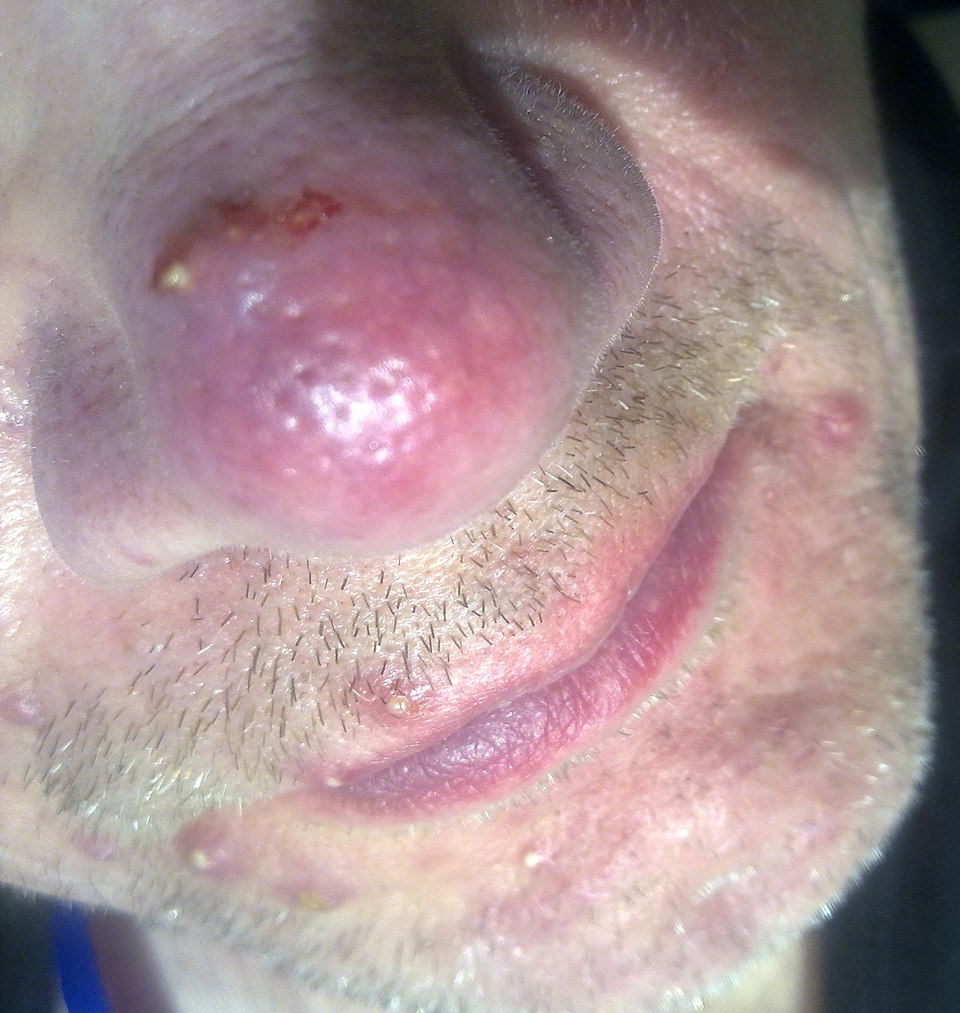 Image Source: Wikimedia Commons (2014). Acne Rosacea, Licensed under a creative commons licence. Available for free at: https://commons.wikimedia.org/wiki/File:Acne_rosacea.jpg (Accessed 23 May 2025).
Complete Guide to Clinical Genetics ST3 Application and Recruitment (2027)
Written by Medibuddy. Last updated: October 2026. Clinical Genetics is

Complete Guide to Clinical Radiology ST3 Application and Recruitment (2027)
Recruitment paused: NHS England is not running Clinical Radiology ST3+ recru

Complete Guide to Paediatric Surgery ST3 Application and Recruitment in United Kingdom (2026)
Written by Medibuddy. Last updated: October 2026. If you’re planning


Take your subscriptions with you
Our mobile app allows you to access your interview and exam question banks wherever you are.

