Rehabilitation Medicine ST3 Interview Question Bank 202720% Off All Interview & Exam Question Banks and TTT On-demand • Use Code: BLACKFRIDAY26 • Ends Midnight November 29th
The 2027 Rehabilitation Medicine ST3 Interview Revision Platform: Question Bank, Live Practice and Mocks with Other Candidates
The Medibuddy Rehabilitation Medicine ST3 Question Bank includes over 45 scenarios that closely mirror the real interview structure, and each has a model answer that's been written and edited by high-scoring candidates who sat the Rehabilitation Medicine ST3 interview in 2026.
However, knowing a strong answer isn't the same as delivering one under pressure, which is why we provide:
Study Groups with candidates across the country
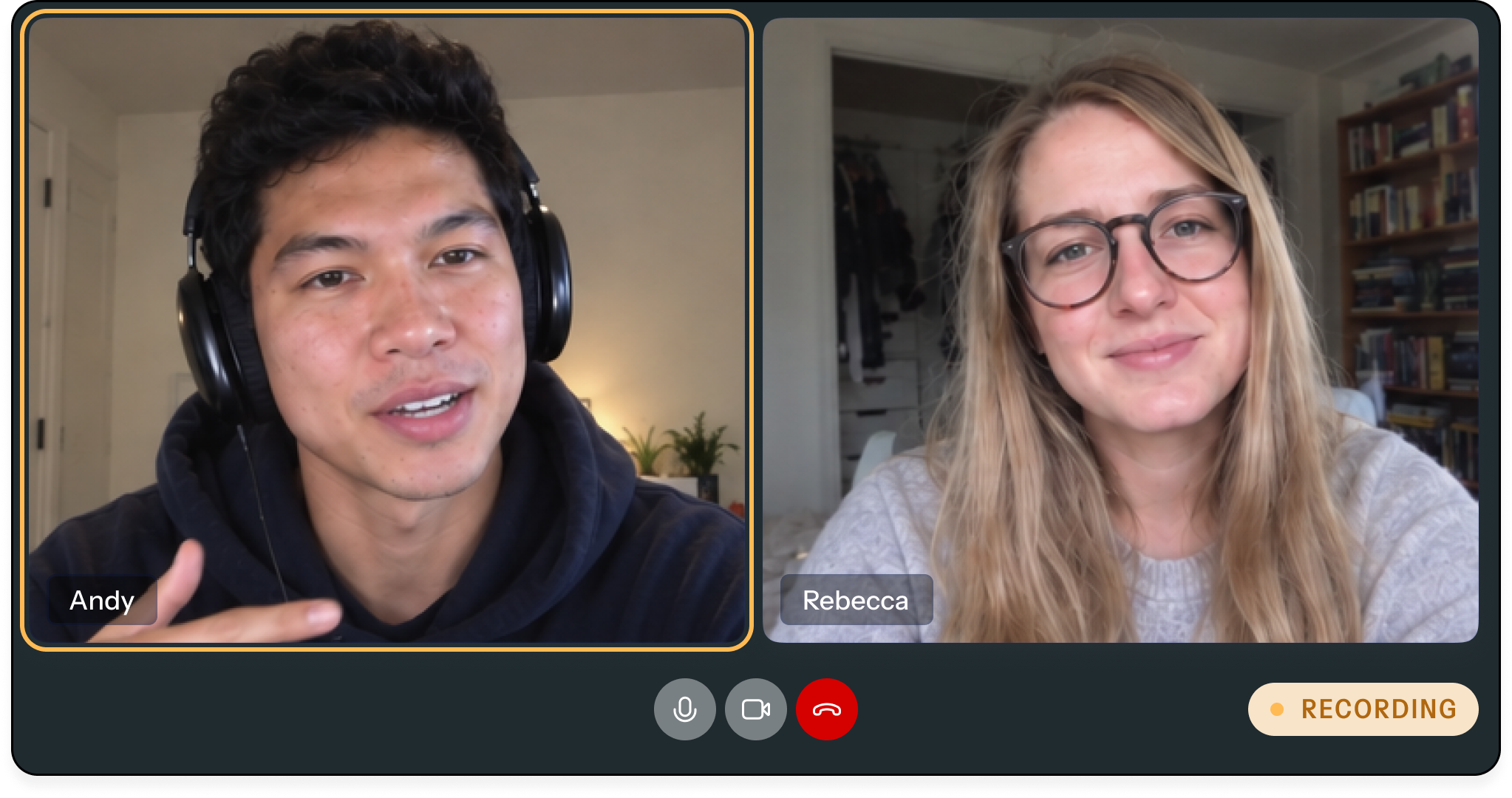
Unlimited Live Mocks with other candidates
Peer Feedback on your mocks from a wide range of candidates
10 years’ experience preparing doctors for interviews
Users of Medibuddy Revision Platforms have secured some of the most competitive training jobs in recent rounds, and the Rehabilitation Medicine ST3 Question Bank is built in exactly the same way, around the stations you will actually face.
Always up to date
Did you know the interviews change every year? That's why we review and update every Question Bank on the platform twice a year, so you know you're always practising with scenarios based on the latest interview structure.
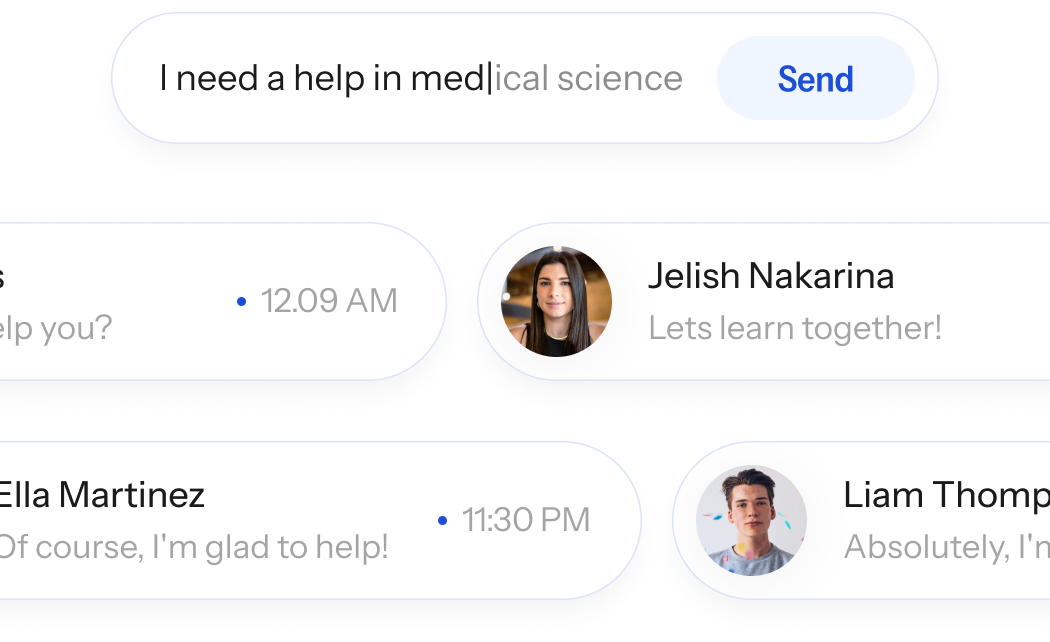
Network and practise real interview scenarios with other candidates
Question Bank
See every scenario, and how to answer it well
45+ scenarios across both interview stations, which tell you exactly how to respond to each question.
Study Groups
Connect with candidates across the country
Rehabilitation medicine draws doctors from IMT, anaesthetics, general practice, surgery and more. Study Groups put you in touch with candidates from all of those routes, sitting the same Rehabilitation Medicine ST3 interview as you.
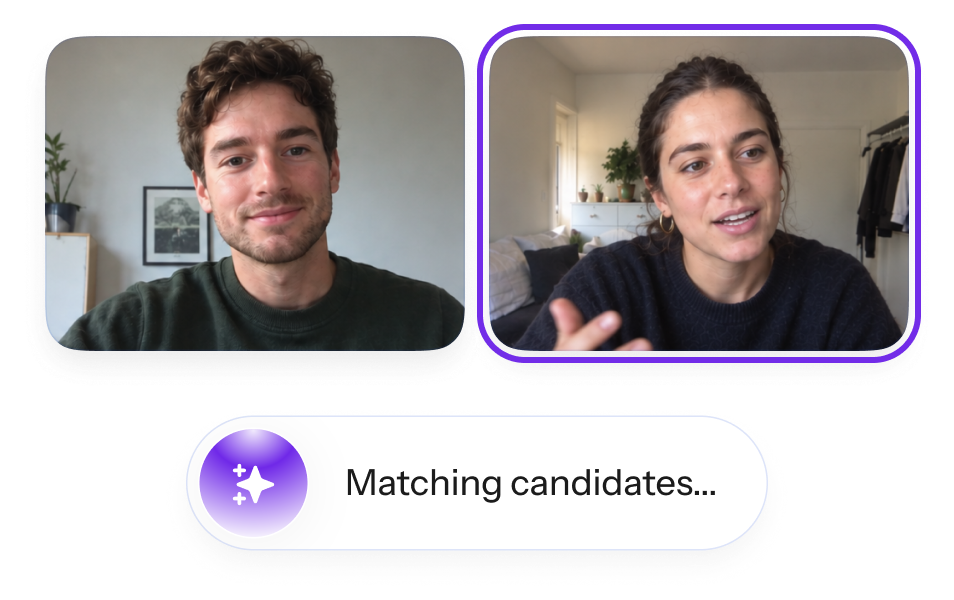
Live MocksBeta
Practise interview technique with different candidates
Arrange or get matched on demand with other candidates and run real scenarios out loud under interview conditions. Those who practise with the widest range of people tend to score the highest.
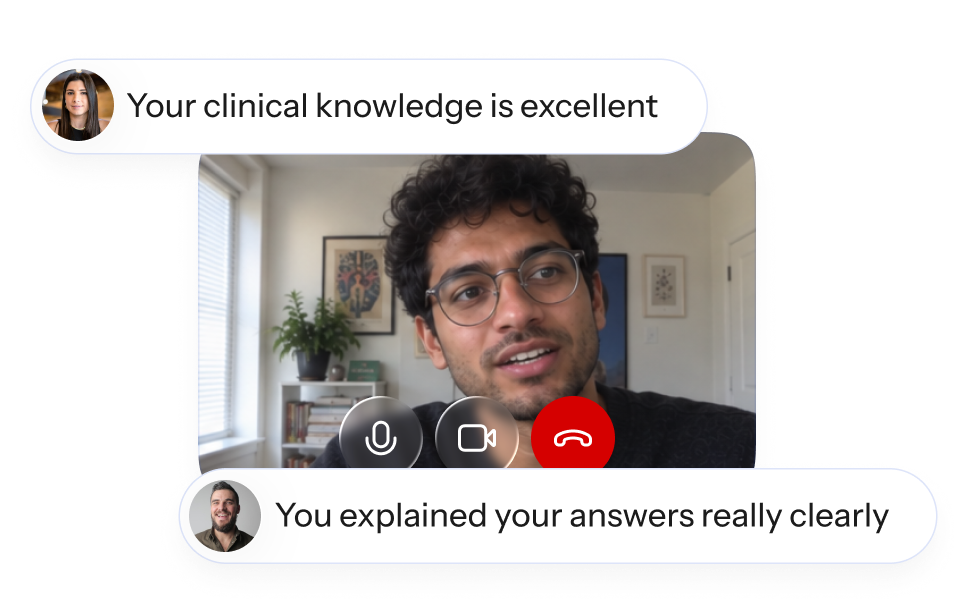
Peer FeedbackBeta
Reviewed by candidates across the platform
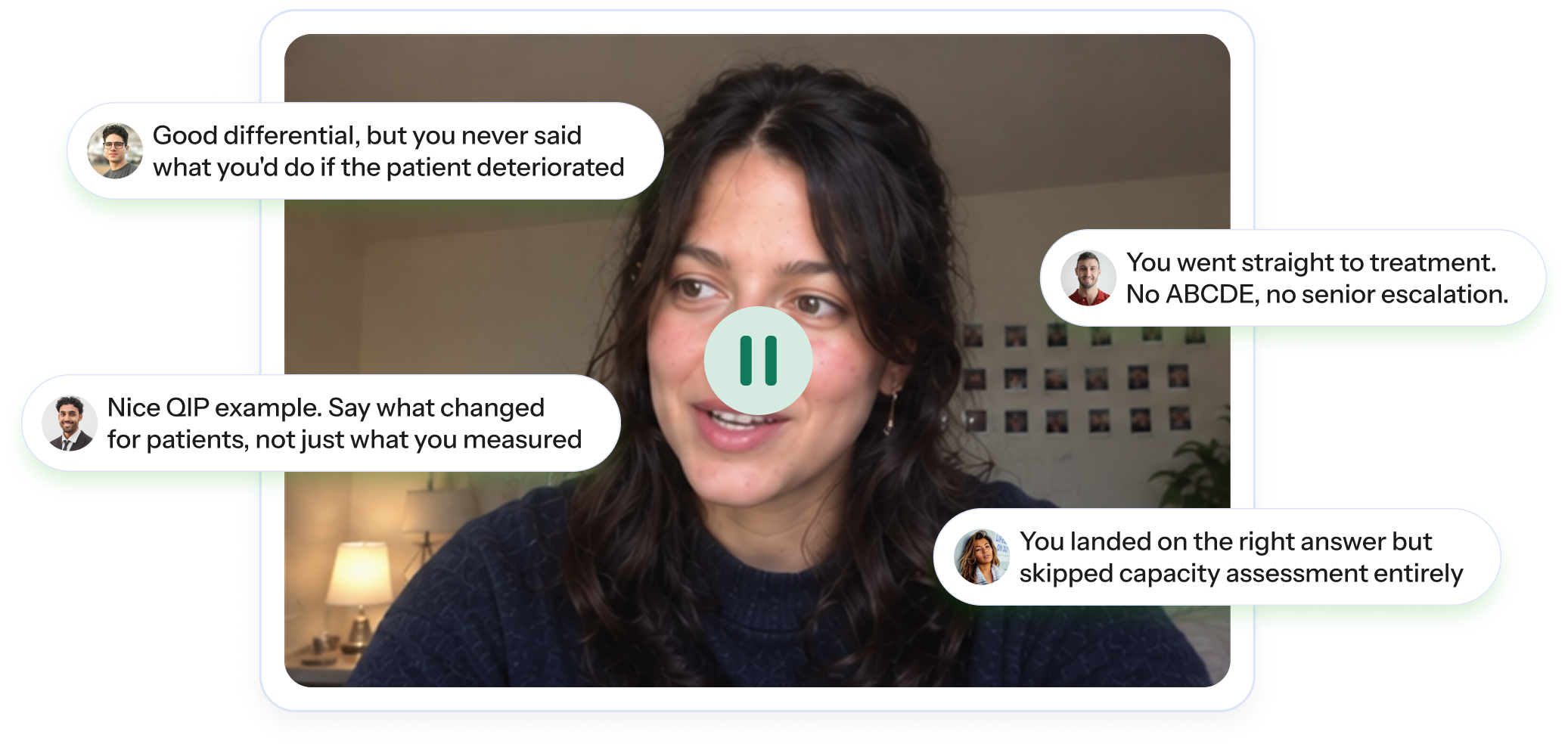
Submit your recorded mocks to candidates across the platform and get honest, varied feedback. Reviewing other people's mocks teaches you just as much.
The question bank, and other candidates to practise with, all in one platform.
Rehabilitation Medicine ST3 interview prep has two parts
The Revision Platform gives you the questions, this year's model answers, and other candidates to practise them out loud with. The Rehabilitation Medicine ST3 Knowledge Course teaches the clinical topics behind those answers, so when the panel pushes past your first response in the clinical scenario, you've got somewhere to go. Most candidates take both.
The Medibuddy 2027 Rehabilitation Medicine ST3 Question Bank
Both stations are tightly timed, so you have a limited window to deliver the high-scoring answers you need to do well. That means every point has to land, and knowing how to structure each answer is essential. That's why each of our 45-plus scenarios comes with a model answer, written by candidates who scored highly in the Rehabilitation Medicine ST3 interview, so you know exactly how to approach every question the interviewers put to you.
What's inside
What's included in the Rehabilitation Medicine ST3 Question Bank
There's nothing worse than walking into the interview and being asked about a patient group you've barely worked with. Rehabilitation medicine covers brain injury, spinal cord injury, stroke, long-term neurological conditions and amputee care, and the interviewers can also test you on professionalism, ethics and your commitment to the specialty. That's why we provide scenarios for every one of the four questions, including the common topics and the less familiar ones, so nothing on the day comes as a surprise.
Clinical Scenarios
15 scenarios where you play the rehabilitation medicine registrar, from post-traumatic amnesia and autonomic dysreflexia to spasticity, prolonged disorders of consciousness and amputee rehabilitation. Each one includes a question on talking with the patient, family or wider team.
Ethical, Professionalism & Governance
10 situations of the kind the interviewers describe out loud with no pre-read, such as duty of candour after a fall on the unit, raising a concern about a colleague or handling a medication error, each with a structured model answer.
Ethical Scenarios
11 short written dilemmas covering capacity and best interests after brain injury, Deprivation of Liberty Safeguards, positive risk-taking at discharge and DVLA disclosure, so you can reason through them clearly in the time you're given.
Suitability & Commitment
11 topics on your motivation for rehabilitation medicine, the WHO ICF framework, leading within the MDT and your portfolio. They include transferable skills questions for candidates coming from anaesthetics, general practice, surgery and other routes.
Reflecting how the interview is really assessed
Our model answers follow the current four-question format, with the clinical scenario and the suitability and commitment question carrying the highest weighting.
Try it
Try an example Rehabilitation Medicine ST3 question
You are the Rehabilitation Medicine ST3 registrar on an inpatient spinal cord injury rehabilitation unit. A 34-year-old man with a complete C6 spinal cord injury (AIS A), sustained eight weeks ago in a diving accident, tells the nursing staff he has a severe throbbing headache.
His blood pressure is 178/104 mmHg, against a usual systolic of around 90 to 100 mmHg, and his heart rate is 54 bpm. He is flushed and sweating heavily above the level of his injury, while his skin below it is pale and cool.
How would you approach this?
Question
What is the diagnosis, and why is this a medical emergency?
Example answer
This is autonomic dysreflexia, a life-threatening surge of uncontrolled sympathetic activity seen in spinal cord injuries at T6 or above.
The picture fits: sudden severe hypertension, a throbbing headache, sweating and flushing above the lesion, pallor below it, and a reflex bradycardia.
His systolic is around 80 mmHg above his own baseline, which is the comparison that matters. A reading that looks only mildly raised in the general population can be a crisis in this patient.
Untreated, it can progress within minutes to hypertensive encephalopathy, intracranial haemorrhage, seizures or myocardial infarction.
Question
Walk me through your immediate assessment.
Example answer
Assessment runs alongside treatment, and the priority is to find and remove the trigger.
Sit him upright straight away and loosen anything tight, which on its own can start to bring the pressure down.
Check the bladder first: look for a kinked or blocked catheter or an overfull drainage bag, or palpate for retention if he has no catheter.
Then the bowel, checking for faecal loading, using lidocaine gel before any rectal examination so the examination doesn't worsen the stimulus.
Look at the skin below the lesion for pressure areas, ingrown toenails, tight clothing or footwear, and recheck his blood pressure every two to five minutes.
Question
The catheter is blocked. You replace it and drain a litre of urine. How do you manage him over the next hour?
Example answer
Removing the trigger is the definitive step, so the focus now is on monitoring and treating only if the pressure stays high.
Keep checking his blood pressure every five minutes, watching for rebound hypotension as the episode settles, given his low baseline.
If his systolic stays above 150 mmHg once the cause is removed, use a fast-acting, easily reversed agent such as GTN in line with the unit's autonomic dysreflexia protocol, and involve a senior early if he needs intravenous treatment.
Document the episode, the trigger and his response, and review his bladder management plan with the team.
Question
What are the common precipitants you need to know?
Example answer
The trigger always sits below the level of the injury, which is why he can't feel it.
Bladder: by far the most common, including retention, a blocked catheter, infection and stones.
Bowel: constipation, impaction and bowel care procedures.
Skin and musculoskeletal: pressure ulcers, ingrown toenails, tight clothing, occult fractures and heterotopic ossification.
Other: sexual activity, menstruation, labour and any surgical or urological procedure.
Drug treatment without removing the cause will not work, and the episode will recur.
Question
He is preparing for discharge home. What education and support must be in place?
Example answer
Unrecognised autonomic dysreflexia at home can be fatal, so this is an essential part of his rehabilitation.
Teach him to recognise his own warning signs and to know his baseline blood pressure.
Give him the first steps to take: sit up, loosen clothing, check the catheter and bag, and call for help if it doesn't settle.
Make sure he carries an emergency card he can hand to clinicians who are unfamiliar with spinal cord injury.
Train his carers, inform his GP and community team in writing, and give him a 24-hour contact route to the spinal injuries centre.
The biggest fear for any candidate is getting to interview day and realising you've revised with a question bank that's out of date. We don't let that happen.
That's why we review and update every Question Bank twice a year, so you know you're revising with scenarios that are likely to come up. We do this in April after the previous year's interviews, and again in the autumn when the new recruitment guidance is published.
For 2027, the Rehabilitation Medicine ST3 Question Bank was built from the latest national recruitment guidance, so every scenario follows the current two-station, four-question format.
Updated for 2027 Interviews
Part 2 • Practise them live
The only interview resource where you can practise live with other candidates from across the country
Our Rehabilitation Medicine ST3 Question Bank tells you exactly how to answer real interview scenarios. But how you practise with them will determine how many marks you score. Reading answers off a screen won't prepare you for being questioned in real time, and practising with the same one or two colleagues limits the feedback you'll get. Medibuddy gives you access to Rehabilitation Medicine ST3 candidates across the country, so you can learn from a range of perspectives and hear far more feedback than your own circle could give you.
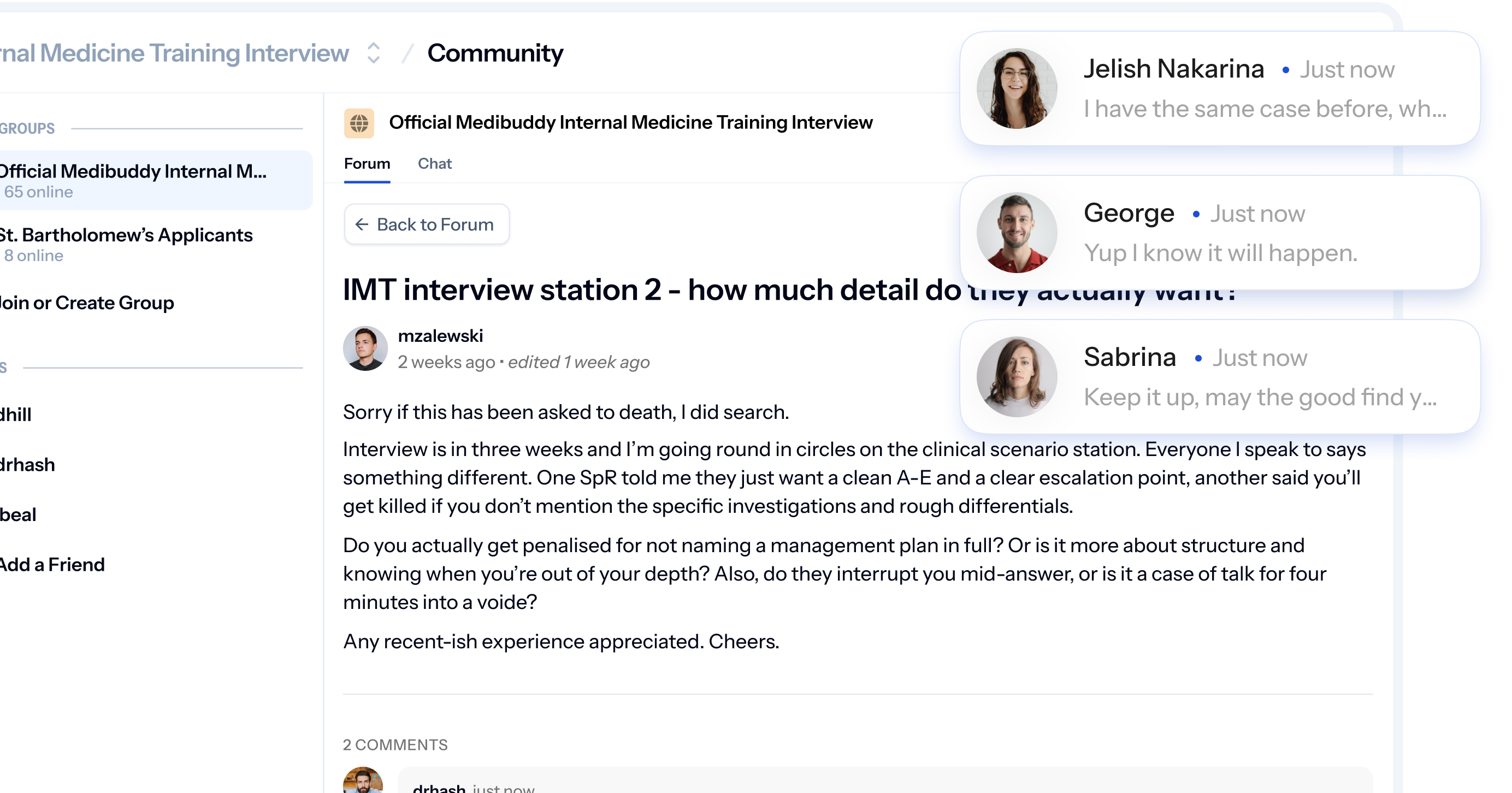
Study Groups
When you prepare on your own, you're relying on your own reading of the interview, which is one of the quickest ways to get caught out on the day. Study Groups connect you with other doctors across the country who are also applying to Rehabilitation Medicine ST3, whether they're coming from IMT or another training pathway. Everyone brings experience from different units and regions, so you won't miss the key pieces of information that could swing the interview in your favour.
Live MocksBeta
Candidates who don't take part in mocks often struggle with the pressure of the interview. Your knowledge might be right, but without confident delivery the interviewers will score you poorly. The best way to improve your delivery is to do as many live mocks as possible, which is why there's no cap on how many you can do. Organising mocks can be hard, so all you have to do is join the waiting room and we'll match you with a different Rehabilitation Medicine ST3 candidate each time. Take turns as interviewer and candidate on real Question Bank scenarios, so you see how other candidates perform while you refine your own technique.
Peer FeedbackBeta
Preparing alone means you won't know how you're coming across. And preparing with the same few candidates means you'll miss chances to improve, which is why it's so important to get as many opinions on your performance as you can. With Medibuddy, you can record a mock and submit it for feedback from other candidates on the platform, then refine your answers with each person who reviews it. Reviewing other people's mocks is just as valuable, because it shows you how strong candidates handle the same scenarios.
Pick your plan
Choose the Revision Platform, the Knowledge Course, or both
The Rehabilitation Medicine ST3 Revision Platform gives you the Question Bank, the model answers and all the live practice. It covers the common questions that come up across both stations and shows you how to score highly on them.
However, if you're doing well, the interviewers will often probe further to test the depth of your clinical knowledge. It's usually how they decide whether to award the top mark, and these are the questions you can only answer well with a thorough understanding of the topic.
The clinical scenario rests on that depth. A model answer shows you how to structure your reasoning, but structure only takes you as far as your clinical knowledge goes.
That's what the Rehabilitation Medicine ST3 Knowledge Course is for: 11 interactive modules and around 11 hours on the rehabilitation medicine topics the clinical scenario is built around.
The Knowledge Course is £89.99 on its own. Most candidates add it for £40 as part of the Bundle, which is £189.99 instead of £239.98, so you save £49.99 buying both together.
What the Rehabilitation Medicine ST3 Knowledge Course covers
Autonomic dysreflexiaNeurogenic bladder and bowelSpasticity in MSMS relapse or pseudo-relapseMotor neurone diseasePressure ulcersFunctional neurological disorderFatigue and post-exertional malaisePTSD after critical illnessNeurogenic dysphagiaNutritional support and refeeding
Every module moves through five stages:
The basics
Recognising it
Confirming the diagnosis
Managing it
What happens next
Rehabilitation Medicine ST3 Revision Platform
Rehabilitation Medicine ST3 Knowledge Course
Best value • save £49.99Rehabilitation Medicine ST3 Bundle
Question Bank: over 45 unique scenarios across both stations
Clinical, ethics, governance and suitability scenarios
Study Groups & Live Mocks with other candidates
Peer Feedback: give and receive feedback from a wide range of candidates
11 interactive modules, around 11 hours of clinical teaching
Instant access on web and the Medibuddy app. The Revision Platform and the Bundle both include Study Groups, Live Mocks and Peer Feedback.
The interview
What to expect from the Rehabilitation Medicine ST3 interview
The interview has two stations of 18 minutes, each with its own pair of interviewers, and takes about 45 minutes in total. There are four questions of 8 to 10 minutes, and each is scored separately. Rehabilitation medicine accepts doctors from IMT and from several other core training routes, so the panel will want to see how your experience prepares you for the specialty.
Station 1
Clinical Scenario
You get a short two or three sentence scenario to review, then questions on how you would assess and manage the patient, and how you would talk with the people involved. Start systematically and think in terms of goals, function and the whole team.
Station 1
Ethical, Professionalism & Governance
The interviewers describe a situation out loud, with nothing to read beforehand. You need to show how you would keep patients safe, act on your professional duties and use the governance processes around you.
Station 2
Ethical Scenario
A short written scenario to read just before the question, followed by around eight minutes of discussion. Explain your reasoning, refer to the law and guidance that apply, and show how you would reach a fair decision.
Station 2
Suitability & Commitment
Questions on why you want to work in rehabilitation medicine, what you've done to explore it and how your experience so far has prepared you for higher training.
How the interview is scored
The clinical scenario, ethical, professionalism and governance, ethical scenario and suitability and commitment questions are marked against the Rehabilitation Medicine person specification. Our model answers are structured against those criteria, so you know exactly what a strong, well-organised answer looks like at each station.
Get ready
How to prepare for the Rehabilitation Medicine ST3 interview
Start with the Question Bank
Work through over 45 scenarios across both stations, each with a model answer from a candidate who scored well in the 2026 interview. Read how a strong answer is put together first, then think about how you would say it.
Talk the hard ones through in Study Groups
Study Groups are your biggest opportunity to network and connect with other candidates sitting the same interview as you. Everyone on the platform is in the same boat, so don't be scared to get involved and ask questions. Someone in your group might help you work through a scenario you've been stuck on.
Rehearse out loud in Live Mocks
Live Mocks are where you put everything you've learned into practice, and we know from experience that those who practise with a wide range of candidates usually do best. Organise mocks with people from your Study Group, or get matched with another Rehabilitation Medicine ST3 candidate, then take turns as interviewer and candidate until answering out loud under pressure feels normal.
Get reviewed with Peer Feedback before the day
Once you've recorded a mock, other members can review it. You'll see how you come across, and you'll have time to refine your delivery before the interview rather than finding out on the day. Reviewing other people's mocks is just as useful, as you see how other candidates handle the same scenarios.
Build the clinical depth behind your answers
When a panel pushes past your first answer, real clinical knowledge is what carries you. The Rehabilitation Medicine ST3 Knowledge Course teaches the rehabilitation medicine topics tested in the clinical scenario in depth, so add it if you want to be ready for the follow-up questions as well as the scenarios themselves.
Questions
Frequently asked questions
What does the Rehabilitation Medicine ST3 interview involve?
Two stations of 18 minutes, about 45 minutes in total, with a different pair of interviewers in each. You answer four questions: a clinical scenario, an ethical, professionalism and governance question, an ethical scenario, and a suitability and commitment question.
I'm not coming from IMT. Is this Question Bank still for me?
Yes. Rehabilitation medicine accepts applicants from several core training routes, including anaesthetics, general practice and surgery, and the suitability and commitment section includes questions on bringing transferable skills from those routes into the specialty.
Who writes the model answers?
High-scoring candidates who sat the Rehabilitation Medicine ST3 interview in 2026, so the answers reflect the current format.
Can I practise with other candidates?
Yes. Every Revision Platform purchase gives you the opportunity to connect with other candidates through Study Groups, Live Mocks and Peer Feedback.
How do the Live Mocks work?
Join the waiting room and we match you with another Rehabilitation Medicine ST3 candidate. You then take turns as interviewer and candidate on real Question Bank scenarios, so you get used to answering out loud before you sit in front of the panel.
What are Study Groups and how do they help?
Study Groups are community forums for doctors across the country preparing for the same Rehabilitation Medicine ST3 interview. You can ask questions, share what you're finding difficult and compare how you'd approach a scenario.
Can I get feedback on my interview performance?
Yes. After you've recorded a mock, you can ask other members to review it, so you can see which parts of your answer need work.
How do you keep the Rehabilitation Medicine ST3 Question Bank up to date?
We review and update it twice a year: in April after that year's interviews, and again in the autumn when the new recruitment guidance is published.
How long do I get access for?
Access runs for 12 months from the purchase date.
What's the difference between the Question Bank and the Rehabilitation Medicine ST3 Knowledge Course?
The Question Bank is over 45 practice scenarios with worked answers and all the live-practice features. The Rehabilitation Medicine ST3 Knowledge Course provides the clinical depth behind your answers, with around 11 hours of content across 11 interactive modules on the topics tested in the clinical scenario. Most candidates use both, and the Bundle saves £49.99.
Start preparing for the Rehabilitation Medicine ST3 interview
The Revision Platform gives you over 45 scenarios to practise and refine with other candidates through Study Groups, Live Mocks and Peer Feedback.


 Close



 Autonomic dysreflexia
 The basics
 Recognising it
 Confirming the diagnosis
 Managing it


