Endocrinology and Diabetes Mellitus ST4 Interview Question Bank - Medibuddy
Endocrinology and Diabetes Mellitus ST4 • 2027 Interview

The 2027 Endocrinology and Diabetes Mellitus ST4 Interview Revision Platform: Question Bank, Live Practice and Mocks with Other Candidates

The Medibuddy Endocrinology and Diabetes Mellitus ST4 Question Bank includes over 30 scenarios that closely mirror the real interview, each with a model answer written/edited by high-scoring candidates who sat the Endocrinology and Diabetes Mellitus ST4 interview in 2026.

However, knowing a strong answer isn't the same as delivering it well under pressure, which is why we provide:

10 years’ experience preparing doctors for interviews

Users of the Medibuddy Endocrinology and Diabetes Mellitus ST4 Revision Platform have secured some of the most competitive training jobs in recent rounds. Ask around, there's a good chance the trainees in the year above you used us too.

Always up to date

Did you know the interviews change every year? That's why we review and update every Question Bank on the platform twice a year, so you know you're always practising with scenarios based on the latest interview structure.

Network and practise real interview scenarios with other candidates

Question Bank

See every scenario, and how to answer it well

Over 30 scenarios across both interview stations, which tell you exactly how to respond to each question.
Study Groups

Connect with candidates across the country
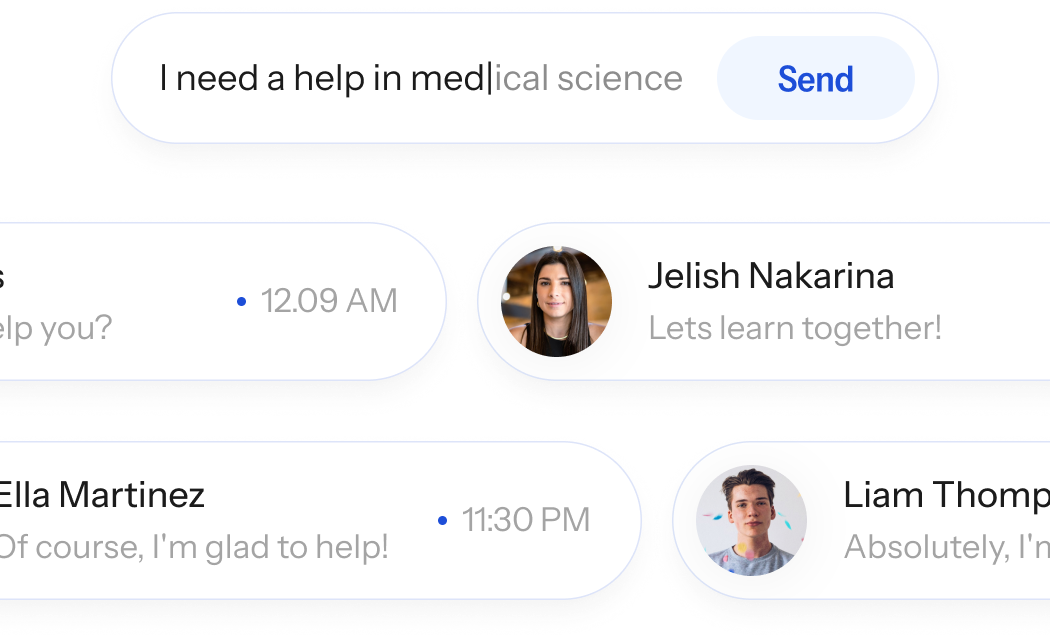
Most people only ever practise with one or two friends. Study Groups connect you with candidates right across the country sitting the same Endocrinology and Diabetes Mellitus ST4 interview.
Live MocksBeta

Practise interview technique with different candidates
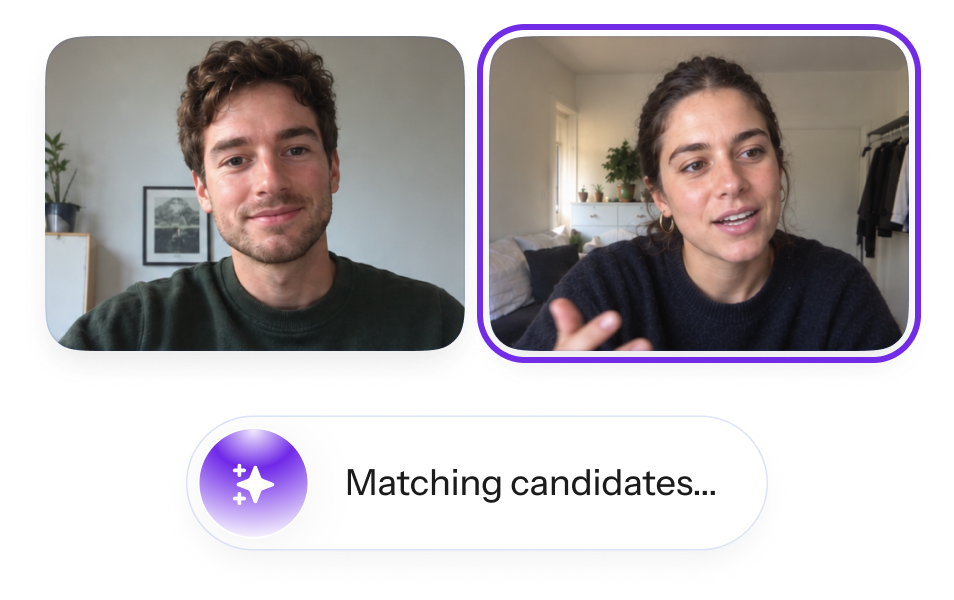
Arrange or get matched on demand with other candidates and run real scenarios out loud under interview conditions. Those who practise with the widest range of people tend to score the highest.
Peer FeedbackBeta

Reviewed by candidates across the platform

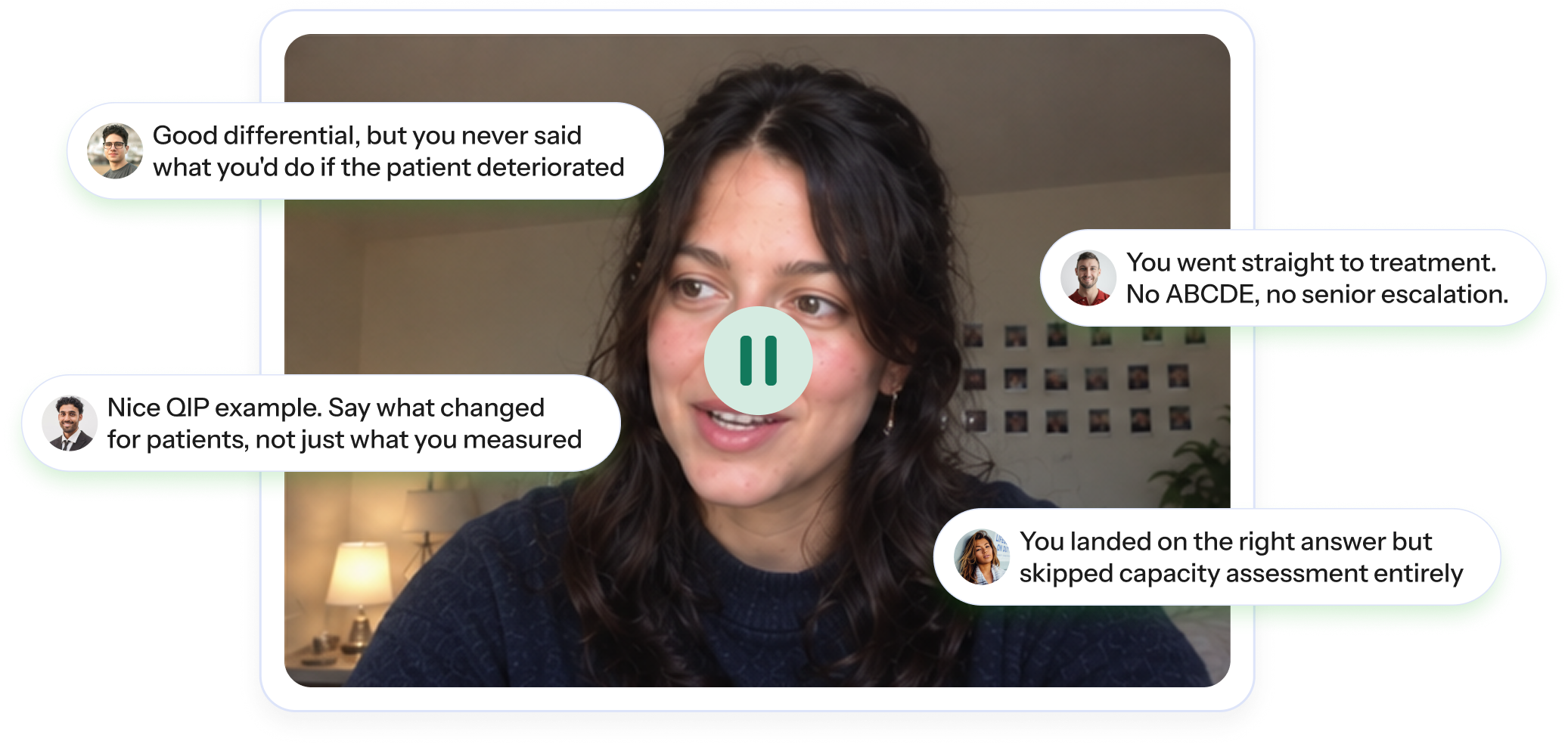
Submit your recorded mocks to candidates across the platform and get honest, varied feedback. Reviewing other people's mocks teaches you just as much.

The question bank, and other candidates to practise with, all in one platform.

Endocrinology and Diabetes Mellitus ST4 Revision Platform • £144.99

Gain access to over 30 scenarios across both stations, and collaborate with other candidates through Study Groups, Live Mocks and Peer Feedback.
Get instant access
What candidates say

Scored well, secured their post

A few of the candidates who prepared with us for the Endocrinology and Diabetes Mellitus ST4 interview.

Verified candidateInterviewed 2026
"The Endocrinology and diabetes scenarios were pitched exactly right. Having a structure ready meant I could work through an acute presentation calmly under pressure."
Secured first-choice deanery
Verified candidateInterviewed 2026
"Practising the suitability presentation out loud with other candidates was the single most useful thing I did before the day."
Ranked highly
Part 1 • See the questions

The Medibuddy 2027 Endocrinology and Diabetes Mellitus ST4 Question Bank

The interview has two stations with four questions, each around 10 minutes and tightly timed, so you have a limited window to deliver the high-scoring answers you need to do well. That means every point has to land, and knowing how to structure each answer is essential. That's why each of our 30-plus scenarios comes with a model answer, written by candidates who scored highly in the 2026 Endocrinology and Diabetes Mellitus ST4 interview, so you know exactly how to approach every question the interviewers throw your way.
What's inside

What's included in the Endocrinology and Diabetes Mellitus ST4 Question Bank

There's nothing worse than getting to the interview and being handed a scenario you've never seen before. The panel can draw on Endocrinology and diabetes scenarios as well as suitability and registrar themes, so the safest approach is to revise across all of them. We provide scenarios for every part of the interview, including the common ones and the more unusual cases that have come up before, so you don't get caught out.

Clinical Scenarios - Endocrinology

Acute and general Endocrinology presentations where you play the registrar, each with a worked answer showing how to structure your response.

Clinical Scenarios - Diabetes

Diabetes-focused scenarios covering treatment steps, gathering information and communication, with model answers that keep you safe and structured.

Suitability & Commitment

Opens with a three-minute presentation on your suitability for specialist training, then discussion of your training and experience. We provide prompts and model answers so you can prepare a focused, confident presentation.

Medical Registrar Suitability

Questions on managing the acute unselected take and a multidisciplinary team, with model answers that show you're ready to work as a medical registrar.
Reflecting how the interview is really weighted
The two clinical scenarios, Endocrinology and diabetes, carry the heaviest weighting, and communication is marked across everything you say. Our model answers are structured with that in mind, alongside the suitability and registrar themes.
Try it

Try an example Endocrinology and Diabetes Mellitus ST4 question

A 27-year-old man is admitted to the acute medical unit with a two-month history of progressive fatigue, nausea, unintentional weight loss and dizziness on standing. On examination he is tanned, with pigmentation of the buccal mucosa, and hypovolaemic.

Observations: heart rate 104, blood pressure 89/58 (dropping to 78/50 on standing), respiratory rate 18, SpO2 98% on air, temperature 37.4.

Initial bloods: mild normocytic anaemia, sodium 128, potassium 5.8, urea 9.8, creatinine 105, glucose 2.9.

How would you approach this?

Question
What is your approach to managing this patient?
Example answer
He is acutely unwell with hypotension, electrolyte disturbance and features suggestive of an adrenal crisis, so I would manage him in resus with an ABCDE approach and treat as I go.
  • Insert two large-bore cannulas and give a 1L bolus of 0.9% saline.
  • Treat the hypoglycaemia with IV dextrose.
  • Treat the adrenal crisis directly with 100 mg IV hydrocortisone stat, followed by regular hydrocortisone, for example 50 mg every 6 hours or a continuous infusion.
Once he is more stable, I would take a full history to identify precipitants such as infection, dehydration or steroid use, and any associated conditions.
Question
What further investigations would you perform?
Example answer
I would confirm the diagnosis and look for a cause, without delaying treatment.
  • Take a cortisol just before giving steroids if possible, plus plasma ACTH and thyroid function.
  • Consider CRP, blood cultures and a septic screen, as sepsis is a common differential.
  • Once stable, confirm primary adrenal insufficiency with a short Synacthen test, and send renin, aldosterone and DHEAS.
  • For the underlying cause, send adrenal (21-hydroxylase) autoantibodies and consider CT imaging of the adrenals.
Question
Why is this primary rather than secondary adrenal insufficiency, and what causes it?
Example answer
The combination of hyperpigmentation, hyperkalaemia, hyponatraemia and postural hypotension points to primary disease.
  • These reflect both cortisol and aldosterone deficiency from destruction of the adrenal cortex, with high ACTH driving the pigmentation.
  • In secondary insufficiency ACTH is low, so there is no pigmentation, and aldosterone is preserved, so marked hyperkalaemia and hypotension do not occur.
Causes of primary adrenal insufficiency include autoimmune disease (the commonest in the UK), malignancy or adrenal metastases, infiltration such as sarcoidosis or amyloidosis, infection such as TB or HIV, adrenal haemorrhage such as Waterhouse-Friderichsen syndrome, and congenital adrenal hyperplasia.
Question
What are the long-term management considerations?
Example answer
Management centres on hormone replacement, education and monitoring.
  • Oral hydrocortisone in divided doses to mimic the normal diurnal rhythm, plus fludrocortisone to replace the mineralocorticoid.
  • Sick day rules: double the usual dose during intercurrent illness, and seek urgent help if unable to take it orally.
  • A Steroid Emergency Card, a medical alert bracelet, and an emergency IM hydrocortisone kit that he and a family member are taught to use.
  • Emphasise the lifelong nature of treatment, regular clinic follow-up to avoid over-replacement or under-replacement, and psychological support with signposting to patient groups.
Question
He mentions he has hypothyroidism and takes levothyroxine. Why is that important?
Example answer
Autoimmune primary adrenal insufficiency is associated with other autoimmune conditions, including autoimmune thyroid disease, type 1 diabetes and vitiligo.
  • With his thyroid history, I would specifically consider Autoimmune Polyglandular Syndrome type 2, which combines Addison's disease with autoimmune thyroid disease and/or type 1 diabetes.
  • I would stay alert to these associations in his ongoing care and screening.

That's one scenario. There are over 30 more.

Endocrinology and Diabetes Mellitus ST4 Revision Platform • £144.99

Includes every scenario in the Question Bank, and access to Study Groups, Live Mocks with other candidates and Peer Feedback.
Get instant access
Actively maintained

How we keep our Question Banks up to date

The Endocrinology and Diabetes Mellitus ST4 interview changes from year to year, and the biggest fear for any candidate is getting to interview day and realising you've revised with a question bank that's totally outdated.

That's why we review and update every Question Bank twice a year, so you know you're revising with scenarios that are likely to come up. We do this in April after the previous year's interviews, and again in the autumn when the new recruitment guidance is published.

For 2027, this process kept the Question Bank aligned with the current two-station structure, including the three-minute suitability presentation, so you always practise with the format the panel is using now.
Updated for 2027 Interviews
Part 2 • Practise them live

The only interview resource where you can practise live with other candidates from across the country

Our Endocrinology and Diabetes Mellitus ST4 Question Bank tells you exactly how to answer real interview scenarios. But how you practise with them will determine how many marks you score. Simply reading answers off a screen won't prepare you for the intense scrutiny you'll face in the interview. And only practising with the same few colleagues or friends limits the amount of feedback you'll get. Medibuddy gives you unique access to Endocrinology and Diabetes Mellitus ST4 candidates across the country, so you can learn from a variety of perspectives and hear a far wider range of feedback than your own circle could ever give you.
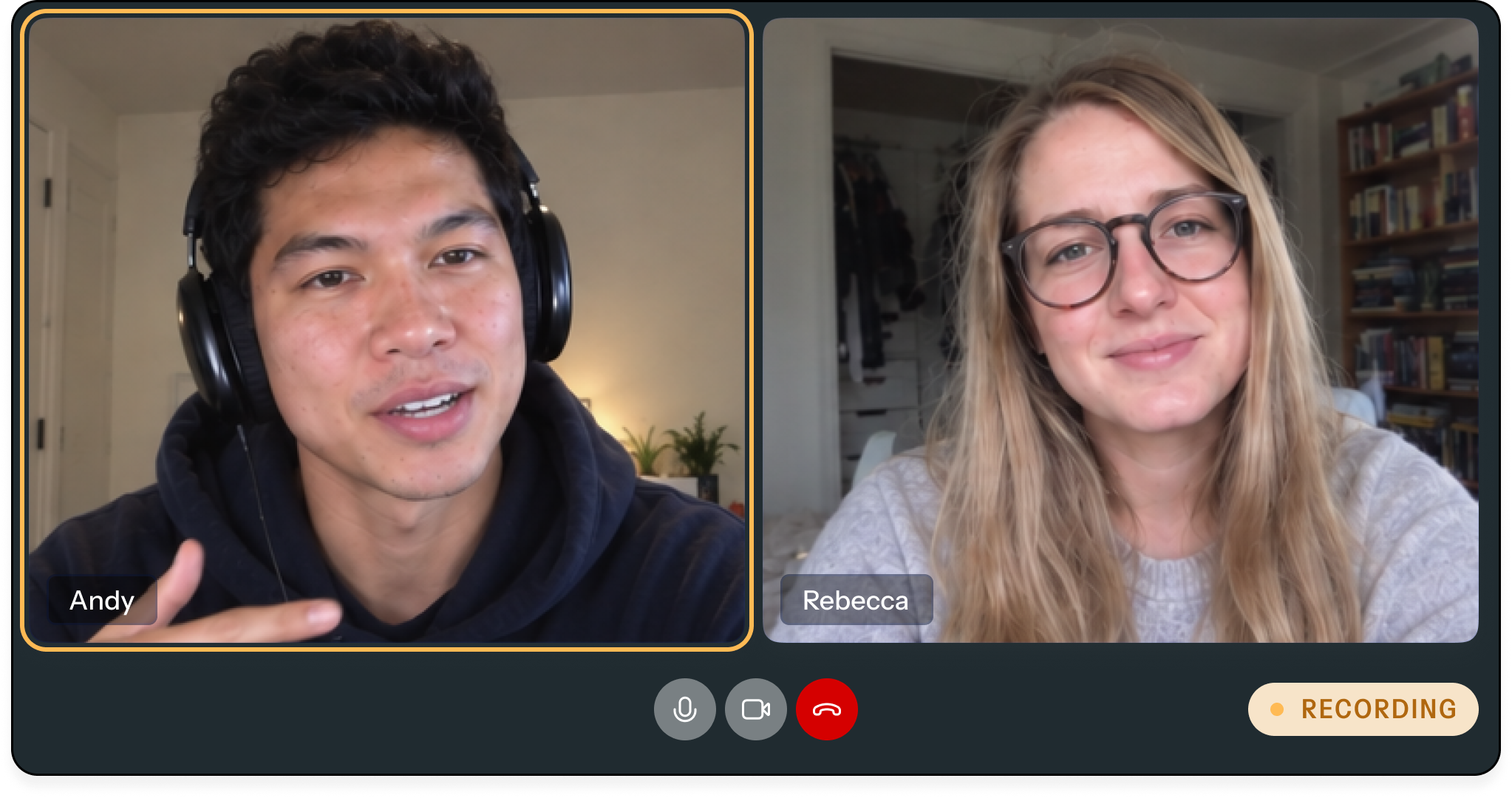
Study Groups
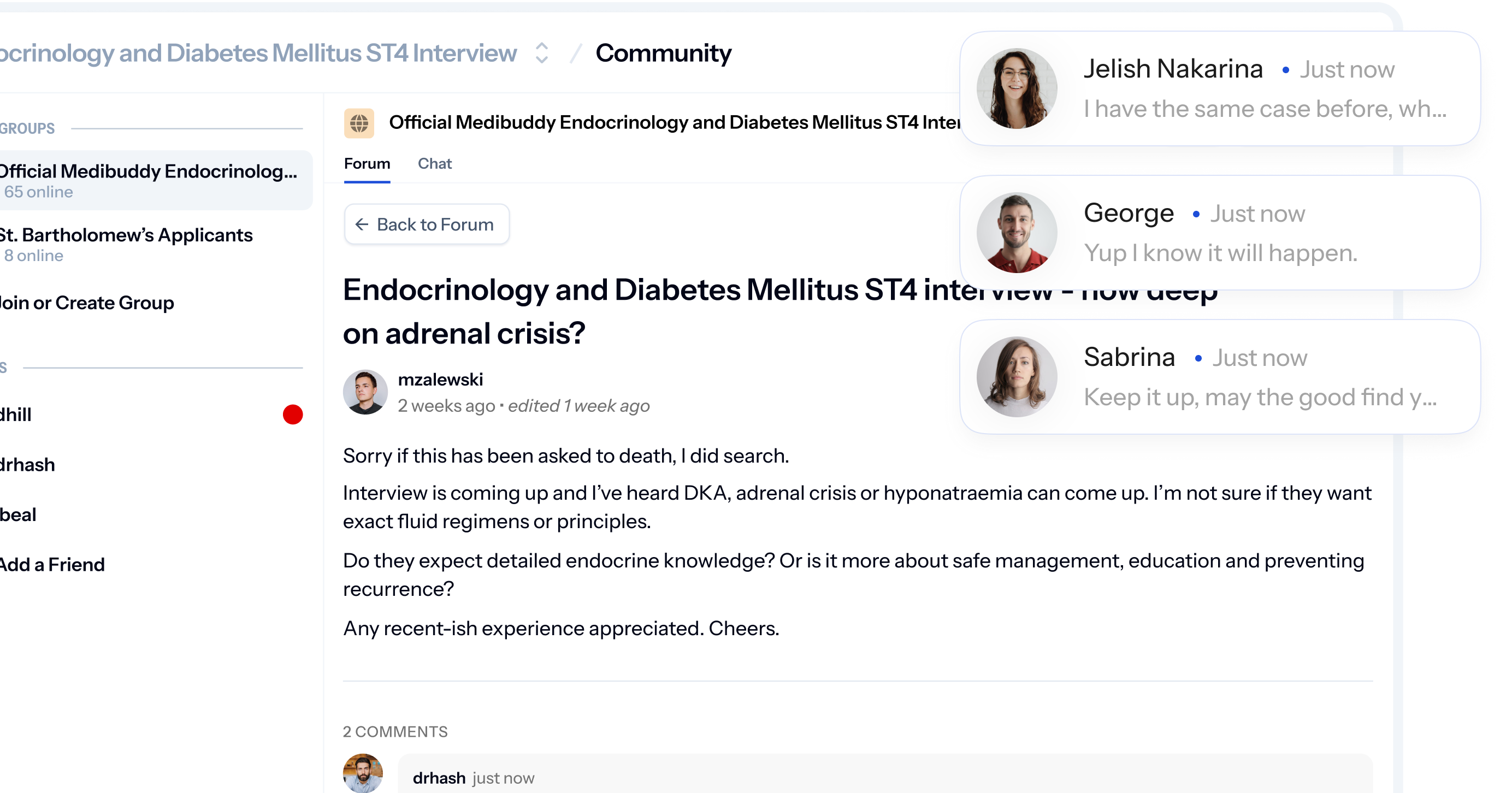
When you prepare in isolation, you're relying on your own interpretation of the interview process, which is one of the quickest ways to get found out on the day. Study Groups connect you with other doctors across the country who are also applying to Endocrinology and Diabetes Mellitus ST4, so you can engage and network with people preparing for the same interview as you. Everyone brings different experience from different hospitals and deaneries, meaning you won't ever miss out on the key bits of information that could swing the interview in your favour.
Live MocksBeta
Candidates who don't take part in mocks often struggle to adapt to the pressure of the interview. Your knowledge might be correct, but without convincing delivery the interviewers will score you poorly. The best way to improve your delivery is to take part in as many live mocks as possible, which is why we haven't put a cap on how many you can do. We also know how difficult it can be to organise mocks with other people, so all you have to do is join the waiting room and we'll match you with a different Endocrinology and Diabetes Mellitus ST4 candidate each time. Take turns as both the interviewer and candidate on real Question Bank scenarios, so you can see exactly how other candidates perform in real time, while refining your own interview technique.
Peer FeedbackBeta
Preparing alone means you won't know how you're coming across during the interview. And preparing with the same few candidates means you'll miss opportunities to improve, which is why it's so important to get as many opinions as possible on your performance. With Medibuddy, you can record a mock and submit it for feedback from other candidates on the platform, so you receive a wider range of feedback and refine your answers with each person you practise with. Reviewing other people's mocks is just as valuable, as it shows you how strong candidates handle the same scenarios, which is one of the fastest ways to improve.
The interview

What to expect from the Endocrinology and Diabetes Mellitus ST4 interview

Endocrinology and diabetes mellitus is a competitive specialty, usually with over four applicants for every place.

Station

Clinical Scenario - Endocrinology

An endocrinology clinical scenario where you review a brief case and are questioned on your next steps, treatment and communication. This is one of the most heavily weighted parts of the interview.
Station

Clinical Scenario - Diabetes

A diabetes-focused scenario on treatment steps, gathering information and communication, also carrying the heaviest weighting alongside the endocrinology scenario.
Station

Suitability & Commitment

Opens with a three-minute presentation on your suitability for specialist training in endocrinology and diabetes, followed by discussion of your training and experience.
Station

Medical Registrar Suitability

Questions on managing the acute unselected take and a multidisciplinary team, showing your readiness to work as a medical registrar.

How the interview is scored

The questions are marked against the Endocrinology and Diabetes Mellitus ST4 person specification, with the two clinical scenarios weighted most heavily and communication scored throughout. Our model answers are structured against those criteria, so you know exactly what a strong, well-organised answer looks like at each station.
Get ready

How to prepare for the Endocrinology and Diabetes Mellitus ST4 interview

Start with the Question Bank

Work through over 30 scenarios across both stations, each with a worked answer from a candidate who scored well in the 2026 interview. Start by reading how a strong answer is formed, then think about how you'd deliver it.

Talk the hard ones through in Study Groups

Study Groups are your biggest opportunity to network and connect with other candidates sitting the same interview as you. Everyone on the platform is in the same boat, so don't be scared to get involved and ask questions. Someone in your study group might just help you work through a scenario you've been struggling with.

Rehearse out loud in Live Mocks

Live mocks are where you begin to put everything you've learned into practice, and we know from experience that those who practise with a wide range of candidates usually do the best. Organise mocks with people from one of your study groups, or get matched with a random Endocrinology and Diabetes Mellitus ST4 candidate, then take turns as interviewer and candidate using real scenarios until answering out loud under pressure feels normal.

Get reviewed with Peer Feedback before the day

Once you've recorded a mock, you can have other community members review it. This lets you see how you come across to other people, and gives you time to refine your delivery as you revise, rather than being caught out on the day. Reviewing other people's mocks is just as crucial, as you see how other candidates navigate the same scenarios.
Questions

Frequently asked questions

What does the Endocrinology and Diabetes Mellitus ST4 interview involve?
Two stations with four questions each, about 10 minutes each, for a total of roughly 45 to 50 minutes. It covers an endocrinology clinical scenario and a diabetes clinical scenario (the most heavily weighted parts), a Suitability and Commitment station that opens with a three-minute presentation, and a Medical Registrar Suitability station. Communication is marked throughout.
How competitive is the Endocrinology and Diabetes Mellitus ST4 interview?
Competitive, usually with over four applicants for every place, which is why a structured, well-rehearsed approach matters.
Who writes the model answers?
High-scoring candidates who sat the Endocrinology and Diabetes Mellitus ST4 interview in 2026, so the answers reflect what came up and what scored this year.
Can I practise with other candidates?
Yes. Every Revision Platform purchase gives you the opportunity to connect with other candidates through Study Groups, Live Mocks and Peer Feedback.
How do the Live Mocks work?
All you have to do is join the waiting room, and we match you with another Endocrinology and Diabetes Mellitus ST4 candidate. You then take turns as interviewer and candidate on real Question Bank scenarios, so you gain experience answering out loud to a real person before you ever sit in front of the panel.
What are Study Groups and how do they help?
Study Groups are community forums for doctors across the country preparing for the same Endocrinology and Diabetes Mellitus ST4 interview. You can ask questions, share what you're struggling with, and compare how you'd approach a scenario.
Can I get feedback on my interview performance?
Yes. After you've recorded a mock, you can ask other members to review it, so you can see which part of your answer needs fine-tuning.
How do you keep the Endocrinology and Diabetes Mellitus ST4 Question Bank up to date?
We review and update it twice a year: in April after that year's interviews, and again in the autumn when the new recruitment guidance is published, so you always practise with the current two-station format.
How long do I get access for?
Access runs for 12 months from the purchase date.

Start preparing for the Endocrinology and Diabetes Mellitus ST4 interview

The Revision Platform gives you over 30 scenarios to practise and refine with other candidates through Study Groups, Live Mocks and Peer Feedback.

Endocrinology and Diabetes Mellitus ST4 Revision Platform • £144.99

Buy Now