


 Close

 21st October 2026
Complete Guide to Paediatric Cardiology ST4 Application and Recruitment (2026)
Written by Medibuddy. Last updated: October 2026.
If you’re applying for Paediatric Cardiology ST4 in 2027, this guide will provide all the information you need. Paediatric Cardiology is an uncoupled higher specialty at ST4 that accepts applicants from both paediatrics and internal medicine. We’ll cover what you need for your application, including eligibility, how national selection works, shortlisting and scoring, the self‑assessment domains, portfolio evidence and verification, and practical steps across the recruitment timeline. Preparing while working full-time can feel daunting, but we’ll make it manageable.
Key Facts at a Glance
- Competition ratio (2025): 6.30:1 (63 applications, 10 posts)
- Training length: Five years (ST4 to ST8) to CCT
- Key entry requirement: Full MRCPCH (paediatrics route), or MRCP(UK) Part 1 at application with the full diploma by offer date (physicians route), plus GMC registration
- Recruitment lead: NHS England Wessex Recruitment Office (national)
- Application window (2027): 19 November 2026 at 10am to 10 December 2026 at 4pm
- Interview date (2027): Monday 8 March 2027, held remotely
Table of Contents
- Paediatric Cardiology ST4 Curriculum
- Paediatric Cardiology ST4 Eligibility Criteria and Entry Requirements
- How to Apply for Paediatric Cardiology ST4 National Recruitment
- Recruitment Timeline and Key Dates (2027)
- How Competitive Is Paediatric Cardiology ST4?
- How Paediatric Cardiology ST4 Applications Are Scored (2027)
- Paediatric Cardiology ST4 Self-Assessment and Portfolio: How to Maximise Your Score
- The Paediatric Cardiology ST4 Interview: A Brief Overview
- Paediatric Cardiology ST4 Offers, Preferencing and What Happens Next
- Frequently Asked Questions About Paediatric Cardiology ST4 Application
- Paediatric Cardiology ST4 Useful Resources
- Conclusion
Paediatric Cardiology ST4 Curriculum
Paediatric cardiology training is built around demonstrating capabilities across the congenital heart disease pathway, from fetal and neonatal care through to adolescent and adult congenital interfaces. You’ll evidence progress through your training e-portfolio, mapping real clinical experience and supervised practice to the curriculum capabilities, with sign-off through educational supervisor reports and ARCP outcomes. In practice, this means documenting breadth and depth in areas such as general paediatric cardiology, imaging (including echocardiography), catheter lab exposure, fetal cardiology, ACHD interface work, plus leadership, teaching and quality improvement.
The specialty curriculum is published by RCPCH and JRCPTB, with delivery through regional NHS England training programmes and their training programme directors. Local programmes use the same national curriculum but sequence opportunities differently to reflect their case mix and tertiary centre strengths. For example, access to specific special-interest time (intervention, electrophysiology, fetal, advanced imaging, ACHD) is concentrated in certain centres, and physician‑route entrants may have supplementary paediatric and neonatal experience arranged locally before or alongside early higher training.
It’s worth asking your prospective region how rotations will ensure you meet exposure across fetal, imaging and catheter-based competencies, and how special-interest time is planned in the later years. Keep your portfolio tidy and explicitly mapped to the curriculum capabilities so your evidence is easy to verify at ARCP.
Note: This summary reflects the Federation’s 2021 paediatric cardiology curriculum materials and current regional guidance; we’ll update this page if the 2027 round brings published changes to content or sequencing.
Paediatric Cardiology ST4 Eligibility Criteria and Entry Requirements
If you’re applying for Paediatric Cardiology ST4 in 2027, here’s what you need to be eligible: Paediatric Cardiology is unusual in accepting entrants from both paediatrics and adult internal medicine. The 2027 NHS England person specification sets out both routes clearly, and Wessex publishes route-specific alternative certificates if you’re evidencing equivalence rather than standard UK training.
- Primary medical qualification: You must hold an MBBS or equivalent primary medical degree.
- GMC registration: Full GMC registration with a licence to practise is required by the post start date.
- Paediatrics route: You need paediatric capabilities equivalent to a trainee who has completed ST3 under the RCPCH Progress+ curriculum, evidenced by current UK paediatric training, a satisfactory ARCP, or a completed Certificate of Completion of Progress+ Paediatric ST3 Capabilities. You also need at least 24 months’ whole time equivalent experience, including at least 6 months in neonatology and 6 months in general paediatrics (Foundation modules don’t count), and full MRCPCH by the offer date.
- Physicians route: You need the capabilities from year 2 of Internal Medicine Stage 1, gained through UK IMT Stage 1, ACCS (Internal Medicine), Broad Based Training (medicine route), core medical training or ACCS (acute medicine), or a JRCPTB level 3 accredited equivalent. On exams you need MRCP(UK) Part 1 at the time of application and the full MRCP(UK) diploma, including Part 2 and PACES, by the offer date. Accepted alternatives are eligibility for the GMC specialist register in general internal medicine at application, or Irish Basic Specialty Training with full MRCPI by the offer date.
- Paediatric training for physician-route entrants: You must be able to demonstrate ST1 paediatric competences by the time you start the programme. The further core paediatric and neonatal capabilities, a nominal one year, are organised by your employing deanery after you are appointed rather than being something you need in hand when you apply. This is a common misconception and it should not put you off applying.
- Life support and safeguarding: You must have demonstrably up to date competences in advanced life support and safeguarding.
- Alternative certificates (where applicable): If you have not completed standard UK core training, you must upload the Wessex alternative certificate matching your route, either the Alternative Certificate to Enter Group 2 Higher Physician Specialty Training or the paediatrics equivalent, signed off by appropriate supervisors.
- Right to work: You must have the legal right to work in the UK by the post start date. Immigration routes and sponsorship are handled by employing trusts for eligible candidates.
- Locum Appointment for Training cap: If you want to be considered for LAT posts, you must have no more than 24 months’ experience in LAT posts in this specialty by the advertised post start date.
Note: The 2027 NHS England person specification for Paediatric Cardiology ST4 is the definitive standard for this round; we’ll update this page if NHS England issues any revisions during the cycle.
How to Apply for Paediatric Cardiology ST4 National Recruitment
If you’re targeting the 2027 round, here’s the practical, step‑by‑step guide to the application process:
- Check you’re eligible, then map your timeline. Read the Eligibility section of this guide, then plan backwards from the published 2027 dates in the Recruitment Timeline section below.
- Register on Oriel and find the vacancy. Create or update your Oriel profile, search for “Paediatric Cardiology ST4”, and add the vacancy to your applications. You submit everything through Oriel; Wessex coordinates longlisting, shortlisting and interview invites.
- Understand the application form sections. Expect sections covering: Personal details and GMC; Eligibility and route (paediatrics vs physician); Employment and training history; Achievements/experience (research, publications, presentations, teaching, QI, leadership); Supporting information (motivation and suitability); Referees; Preferences; and Equality monitoring. The Supporting information is what is scored for shortlisting.
- Align your self-assessment to what’s scored. Although the 2027 application guide is not yet available, we’ve included information from the 2026 guidance, which is a useful reference point until the 2027 resources are published. For 2026, three consultants independently scored applications out of 50 using the Wessex Application Form Scoring Guide across 13 categories (including postgraduate degrees, clinical governance and quality improvement, teaching, presentations and publications in the last three years, research, leadership and complex decision‑making). Several domains are cumulative. Write clear, evidence‑anchored statements against these areas.
- Prepare your supporting documents. Have PDFs ready for a potential verification window. You’ll need: MRCPCH or MRCP(UK) results; the correct Alternative Certificate of Core Competence for your route; GMC registration; evidence for publications and presentations (dated within three years); QI/governance outputs; certificates for courses that are clearly relevant to paediatric cardiology, for example paediatric echocardiography or congenital heart disease; and right‑to‑work/ID documents for later checks. More information will be available when the 2027 self-assessment criteria is published, and we’ll update it here when it is.
- Be mindful of the Round 1 application cap. In 2026 Round 1, NHS England limited candidates to a maximum of five specialty applications across the whole round. Build Paediatric Cardiology ST4 into that total. We’ll update here if the 2027 policy changes.
- Preferencing. Within your single application you rank all programme locations on Oriel. Update preferences until the stated deadline date; offers are matched by interview rank plus your preferences.
- Shortlisting and appeals. Under the 2026 guidance, Wessex scored every application independently by three consultants. You’ll be told your score and the cut‑off, with a short appeal window during which a score can go down as well as up; the adjusted score is final. Interview booking opens only after appeals close.
- Interview invite, booking and offers. If shortlisted, you’ll book your online interview slot. Final ranking is combined with your preferences to determine offers. Paediatric Cardiology ST4 has previously run a round 2 if posts remain; you can also reapply in the next annual cycle. Each application is scored afresh, and prior scores or appeals don’t carry over.
Recruitment Timeline and Key Dates (2027)
The NHS England Wessex Recruitment Office has published the following key dates for the 2027 round 1 application cycle:
| Stage | Date |
|---|---|
| Advert published | Wednesday 18 November 2026 |
| Applications open | Thursday 19 November 2026 at 10am |
| Applications close | Thursday 10 December 2026 at 4pm |
| Interviews | Monday 8 March 2027 |
Note: Wessex has confirmed there will be no face-to-face interviews in 2027; all interviews are remote. The 2027 Applicant Guide and Self Assessment Criteria are listed as coming soon, so the scoring detail below still reflects the 2026 guide. We’ll update this page when those 2027 documents are published.
How Competitive Is Paediatric Cardiology ST4?
Paediatric Cardiology runs a small national round, so every post attracts multiple strong applicants. NHS England publishes the official figures; here are the most recent two cycles.
| Year | Applications | Posts | Competition ratio |
|---|---|---|---|
| 2025 | 63 | 10 | 6.30:1 |
| 2024 | 53 | 12 | 4.42:1 |
What this means for you
Competition increased between 2024 and 2025, with very few posts nationally. That combination rewards careful preparation: a stronger shortlisting score and complete evidence file can move you several places up the rank when posts are scarce. Focus your effort where it counts most, then sense‑check your evidence against the published scoring guide before you submit. The Self-Assessment & Portfolio section below summarises the high‑yield areas.
Posts are concentrated in a handful of congenital cardiac centres. Limiting your preferences to one or two locations can significantly reduce your chances, while being flexible on geography usually helps. NHS England’s 2025 fill‑rates report showed Paediatric Cardiology ST4 in England as fully filled (8 accepts for 8 posts). The key takeaway is to map your evidence to the scored domains and rank programmes broadly.
If you don’t land an offer first time, a targeted plan for one more application cycle is realistic. Build additional relevant outputs (recent paediatric cardiology presentations or publications), strengthen teaching and QI, and seek experience in congenital cardiac centres so your next form scores higher.
How Paediatric Cardiology ST4 Applications Are Scored (2027)
Shortlisting for Paediatric Cardiology ST4
Wessex runs a specialty-specific scoring framework. Under the 2026 Wessex ST4 Paediatric Cardiology shortlisting criteria, each application is scored out of 50 across defined domains and is the best guide for 2027 planning; we will update this page when the 2027 scoring is published.
Paediatric Cardiology ST4 shortlisting framework and weighting
Applications are scored independently by three consultants against the published guide, then combined to produce your shortlist rank. You are told your score and the cut-off, and there is a short appeals window before interview booking.
| Domain | Max points |
|---|---|
| Postgraduate degrees and qualifications relevant to paediatric cardiology | 4 |
| Clinical governance and quality improvement | 3 |
| Training courses (relevant; 1 point per course, 3+ courses score 3) | 3 |
| Teaching experience | 4 |
| Presentations in the last 3 years only | 4 |
| Research (with an extra point if you secured grant funding) | 4 (+1) |
| Publications in the last 3 years only | 4 |
| Quality improvement | 4 |
| Team‑focused behaviour | 4 |
| Clinical leadership and management | 4 |
| Complex clinical decision‑making | 4 |
| Career progression | 4 |
| Suitability for training | 4 |
Total shortlisting score: 50. This structure and the cumulative rules below are taken from the 2026 Wessex shortlisting guide.
How your self-assessment feeds scoring
You do not self-score. Instead, the information you enter in the Oriel Supporting Information sections is panel-scored against the domains above. Evidence you upload and describe here drives your shortlisting outcome. We cover what to include, how to evidence it and common pitfalls in the Self-Assessment & Portfolio section.
Cumulative and recency rules you should know
- Some domains are cumulative. In the 2026 guide, starred fields such as qualifications, teaching, presentations and publications score cumulatively rather than “highest only”. For example, a master’s and a PhD score additively.
- Recency and relevance matter. Presentations and publications only score if they are within the last three years and relevant to paediatric cardiology.
- Not everything counts. Diplomas, associated diplomas and certificates score zero in the qualifications domain, and intercalated or primary medical degree components are not higher awards.
Note: During the appeal window, a score can go down as well as up. Once appeals close, the adjusted score is final and interview booking opens.
Paediatric Cardiology ST4 Self-Assessment and Portfolio: How to Maximise Your Score
What the panel is looking for
As outlined in the Scoring section above, Wessex publishes a clear application-form scoring guide each year and panels of three consultants assess your Supporting information against it. Several categories are cumulative, some items only count if achieved within the last three years, and relevance to paediatric cardiology is essential.
Note: The 2027 scoring guide has not yet been published. We’ll update this page when 2027 guidance is released.
How to score in each domain
- Postgraduate degrees and qualifications (0 to 4): A masters with clear relevance to paediatric cardiology scores 2, and an MD or PhD with direct application scores 2, and you must explain the relevance in 50 words. This domain is marked cumulatively rather than on your highest achievement, so holding both counts twice.
- Training courses (0–3): You score one point per relevant, certificated course; three or more courses score the maximum of 3. Courses in paediatric echocardiography and congenital heart disease are strong examples.
- Teaching experience (0 to 4, cumulative): Informal teaching scores 1 and a formal teaching appointment scores 2, with an extra point each for evidence of excellent feedback and for teaching specifically in paediatrics or cardiology. Because the marks are cumulative, a formal appointment with good feedback in a paediatric setting reaches the top band. Note that holding a teaching qualification or course certificate is not itself a scored category here.
- Presentations in the last three years (0–4, cumulative): Oral or poster presentations score only if within the last three years and relevant to paediatric cardiology; evidence such as acceptance emails or programme pages is required.
- Publications in the last three years (0–4, cumulative): Peer‑reviewed outputs score only if within the last three years and relevant; include DOI or PubMed links and the first page showing your authorship and date.
- Research (0–4, with grant bonus): Active research involvement scores, with an additional point available where you have secured grant funding.
- Clinical governance and quality improvement (0–3): Projects with implemented change and measured impact score best; include data and sign‑off.
- Quality improvement (separate 0–4 domain): Larger, multi‑cycle QI with sustained outcomes (for example, echo pathway optimisation) is needed for the top band.
- Team‑focused behaviour (0–4): Clear examples of MDT collaboration and contribution to team function score well when evidenced in your application statements.
- Clinical leadership and management (0–4): Roles such as rota coordination, guideline development or leading service changes support higher scores.
- Complex clinical decision‑making (0–4): Use concise case examples demonstrating risk balancing in congenital heart disease and escalation.
- Career progression (0 to 4) and suitability for training (0 to 4): Career progression rewards recency, so steady progression scores 2, strong progression in the last three years scores 3, and an exceptional trajectory with a clear paediatric cardiology focus scores 4. Suitability runs from barely suitable at 1 to highly suited with compelling evidence at 4. Show consistent advancement through either the paediatrics or the adult medicine route, and a realistic understanding of the training pathway.
Evidence and verification
Upload clear, dated evidence: degree certificates and transcripts; course certificates; presentation acceptance emails or conference programme pages; PDFs or screenshots of publications; QI reports with data and supervisor sign‑off; and teaching schedules with feedback summaries. In recent cycles, practical exposure such as echocardiography has been credited when evidenced by formal course certificates and, where available, a personal logbook signed by a supervisor. Wessex scrutinises evidence during shortlisting and may verify at interview; claims that cannot be verified will not score and may lead to score reduction at appeal.
Do and don’t: common pitfalls
- Do: List every discrete item in cumulative domains so you don’t leave points on the table.
- Don’t: Claim diplomas, associated diplomas or intercalated degrees as higher awards; these have scored zero.
- Do: Check that presentations and publications fall within the last three years and are directly relevant to paediatric cardiology.
- Don’t: Upload evidence without your name, role and date clearly visible; unclear documents won’t score.
- Do: Close the loop on QI with implemented change and outcome data; “plans to” rarely reach the top bands.
- Don’t: Rely on case counts alone; there is no surgical‑style logbook score, and panels judge against domain descriptors.
Steps to take before applications open
- Get a recent, relevant output. Submit a paediatric cardiology abstract to a national meeting (for example, the BCCA) and aim to convert it to a publication within the three‑year window.
- Lead a complete QI cycle. Run a multi‑cycle project with measurable outcomes and documented implementation.
- Build scoring teaching experience. Take on a formal teaching appointment rather than a teaching course: Wessex scores the teaching you deliver, not certificates. Run a regular programme, collect written feedback, and, where you can, teach in a paediatric or cardiology setting, which carries an extra point each.
- Take courses that score. Choose ones clearly relevant to paediatric cardiology, for example paediatric echocardiography, and keep contemporaneous records; where possible, maintain a supervisor‑endorsed skills log.
- Step into visible leadership. Take on roles such as rota coordination, guideline work or a junior forum, and gather concise evidence of impact.
The Paediatric Cardiology ST4 Interview: A Brief Overview
Interviews are delivered online. For format notes and targeted practice, see our Paediatric Cardiology ST4 Interview Question Bank.
Paediatric Cardiology ST4 Offers, Preferencing and What Happens Next
Wessex does not publish a Paediatric Cardiology-specific offers process, so the national NHS England rules apply. Offers are issued through Oriel in rank order based on your selection score, matched against the programme preferences you set.
- You get 48 hours to respond. The clock runs from release of the offer, excluding weekends. An offer you don’t respond to expires and goes to the next applicant, and lead recruiters only reinstate applicants where a genuine mistake has been made, and you flag it immediately.
- Accept. You are excluded from further offers in this and any other specialty for the round, apart from hierarchical upgrades, and pre-employment checks begin.
- Accept with upgrades. You keep the post but are automatically moved up if a higher-ranked preference becomes available before the upgrade deadline. You are not contacted first, you are notified afterwards in Oriel, and there is no way back to the previous post.
- Hold. You can hold one offer at a time until the hold deadline, and you can still receive offers from other specialties while holding. Trying to hold a second offer rejects the first. If you take no action by the deadline, a held offer is treated as declined.
- Decline. You receive no further offers from this specialty for the round, though offers from other specialties continue.
- Preference carefully. Only rank posts you would genuinely accept, because upgrades are automatic once you opt in. Posts are concentrated in a handful of congenital cardiac centres, so ranking widely matters here more than in larger specialties.
Frequently Asked Questions About Paediatric Cardiology ST4 Application
What are the recent Paediatric Cardiology ST4 competition ratios?
Competition is high and has tightened recently. NHS England reports a 2025 ratio of 6.30:1 (63 applications for 10 posts) and a 2024 ratio of 4.42:1 (53 applications for 12 posts). With only a few points between candidates, strengthening your shortlisting evidence can materially change your ranking.
Am I eligible for Paediatric Cardiology ST4 if I have MRCP(UK) but not MRCPCH?
Yes. The 2027 NHS England person specification allows entry via two routes: paediatrics with full MRCPCH by the offer date, or adult medicine with MRCP(UK) Part 1 at application and the full diploma by the offer date. Physician-route applicants need to demonstrate ST1 paediatric competences by the time they start the programme; the further core paediatric and neonatal capabilities, a nominal one year, are arranged by the employing deanery after appointment rather than being needed when you apply.
What exams do I need before applying to Paediatric Cardiology ST4?
You need a primary medical qualification plus full MRCPCH by the offer date (paediatric route), or MRCP(UK) Part 1 at the time of application with the full MRCP(UK) diploma by the offer date (physician route), as set out in the 2027 person specification. In practice, that aligns with completing core training in your feeder pathway and holding the relevant exam diploma by the offer date.
How does the Paediatric Cardiology ST4 application process work?
It’s a single national process run by the NHS England Wessex Recruitment Office. You apply on Oriel, shortlist scoring is used to rank applicants, and interviews are held online. For 2027, applications open on 19 November 2026 and close on 10 December 2026, with interviews on 8 March 2027.
What scores well on the Paediatric Cardiology ST4 self-assessment?
Wessex shortlisting is scored out of 50 by three consultants across 13 categories. High-yield areas include postgraduate degrees, teaching, research, presentations, publications (last 3 years only), leadership, complex decision-making, and QI. Some fields are cumulative (for example, both a master’s and a PhD can score 5). Diplomas and intercalated awards don’t score. Relevance to paediatric cardiology is critical.
How many Paediatric Cardiology ST4 posts are there each year?
Post numbers are small and vary by year. NHS England’s competition ratios list 12 posts in 2024 and 10 posts in 2025. Wessex publishes the national vacancy list for each round on Oriel when preferencing opens, so check your options early and rank widely to maximise your chance of an initial match and potential upgrades.
Can I reapply if I’m unsuccessful in Paediatric Cardiology ST4?
Yes. You can reapply in a subsequent round. Between application close and interview, Wessex also runs a shortlisting score appeal window; scores can go down as well as up, and the adjusted score is final. If you plan to reapply, focus on cumulative gains: recent, relevant presentations/publications, formal teaching, leadership, and robust QI outputs.
How do offers and upgrades work for Paediatric Cardiology ST4?
Offers are released via Oriel. You can accept, or accept with upgrades. If you opt in, Oriel will automatically upgrade you to a higher-ranked preference if one becomes available before the upgrade deadline, without contacting you first. Upgrades then stop at the published deadline, and allocations are finalised.
Paediatric Cardiology ST4 Useful Resources
When you’re pulling your application together, these are the key links to visit:
- NHS England Wessex Paediatric Cardiology ST4 national recruitment hub: the lead recruiter’s page with dates, documents and post information.
- Paediatric Cardiology ST4 Person Specification (2027): the national entry requirements for this round.
- Paediatric Cardiology ST4 Interview Question Bank: scenario questions with model answers from high-scoring trainees.
Note: The 2027 person specification and the Wessex key dates are published. The 2027 Applicant Guide and Self Assessment Criteria are still listed as coming soon; we’ll update this page when they appear.
Conclusion
Paediatric Cardiology ST4 is distinctive: it accepts applicants from either paediatrics (MRCPCH) or adult medicine (MRCP(UK)) and uses a Wessex‑run shortlisting framework that rewards recent, relevant achievements across clearly defined domains. Map your evidence to those domains early, verify everything, and be flexible with preferences to maximise your chance of an offer.
Get interview‑ready with realistic scenarios and model answers in the Paediatric Cardiology ST4 Interview Question Bank.
Take your subscriptions with you
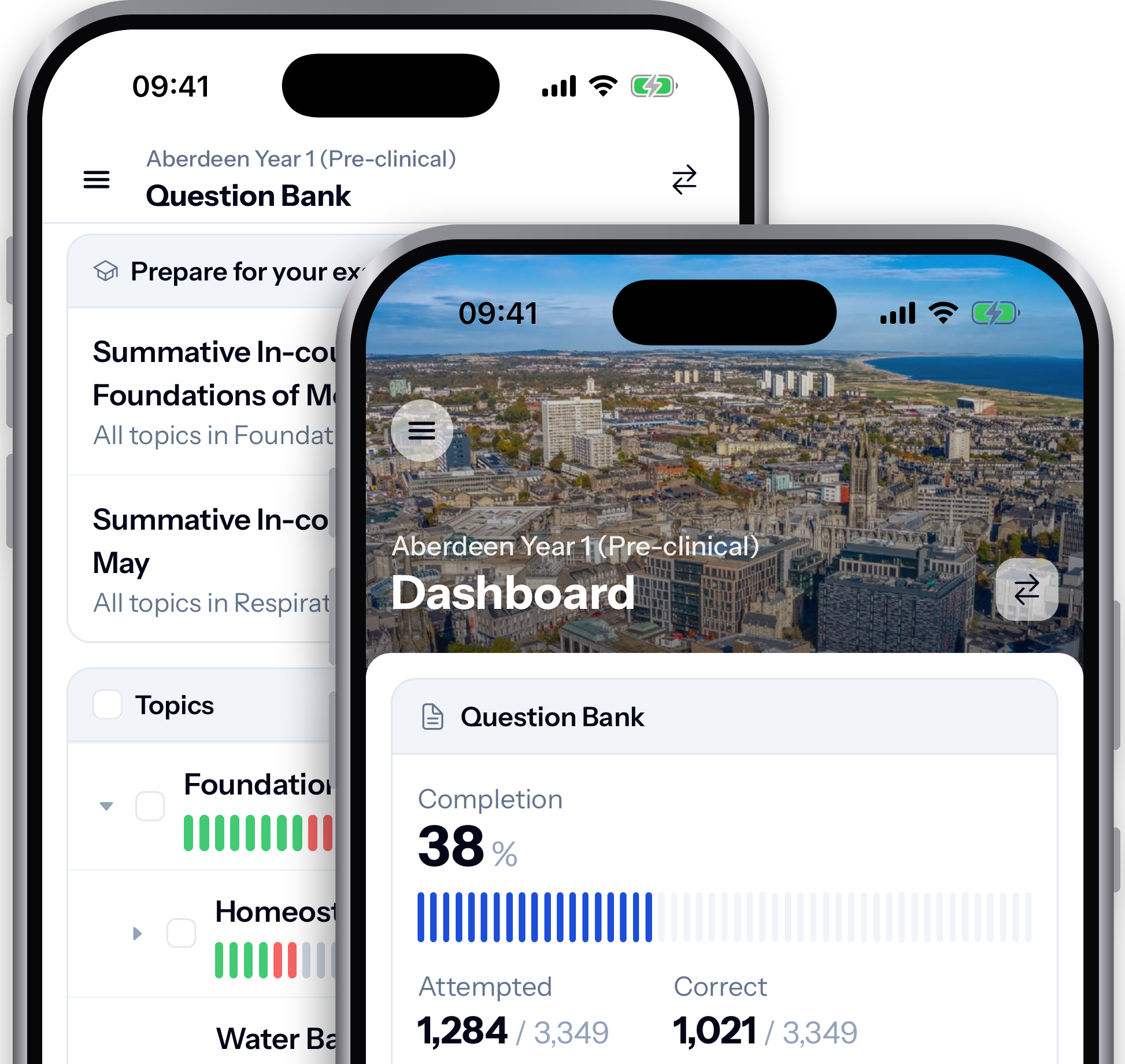
Our mobile app allows you to access your interview and exam question banks wherever you are.

